








What's Happening?
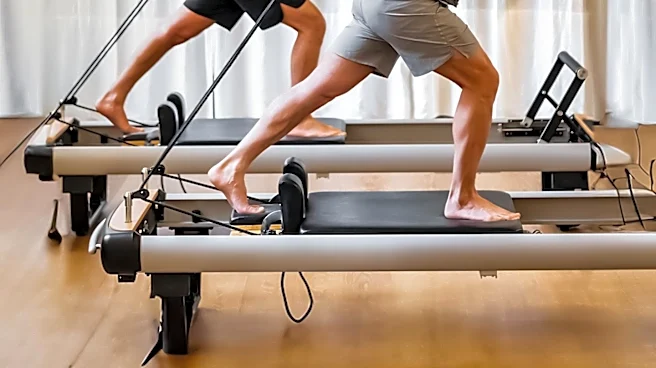
Pilates studios across the U.S., including BK Pilates in NYC and Castle Hill Fitness in Austin, Texas, are providing a wide array of Pilates classes, catering to various fitness levels and preferences. These offerings encompass classical and contemporary
Pilates, as well as specialized formats like mat, reformer, tower, and wall Pilates. Studios are also integrating modern variations such as Hot Pilates, Pilates Fusion, and Jumpboard Pilates. For instance, BK Pilates, with locations in NYC and Charlotte, Concord, and Raleigh, focuses on reformer classes rooted in classical Pilates but adapted with contemporary teaching methods. Castle Hill Fitness offers Pilates mat classes, equipment classes, and even Pilates Cardio classes, which combine equipment repertoire with high-paced, circuit-based workouts. Many studios emphasize the adaptability of Pilates for different needs, including injury recovery, with instructors trained to modify exercises.
Why It's Important?
The diverse range of Pilates offerings highlights a growing trend in the U.S. fitness industry towards specialized and adaptable exercise programs. This caters to a broader demographic, from beginners and those recovering from injuries to advanced athletes seeking to enhance core strength and flexibility. The availability of various equipment-based and mat-based classes, alongside fusion formats, indicates a market demand for personalized fitness experiences. This trend can lead to increased participation in Pilates, potentially improving public health outcomes related to posture, core strength, and injury prevention. For fitness businesses, offering such variety can attract and retain a wider client base, fostering competition and innovation within the wellness sector. The emphasis on instructor training and modification for injuries also underscores a commitment to client safety and effective rehabilitation, which is crucial for the industry's credibility and growth.
What's Next?
The expansion of Pilates studios and the diversification of class formats are likely to continue, with more studios adopting hybrid models that blend traditional Pilates with other fitness disciplines. We can anticipate further innovation in equipment and class structures to keep pace with evolving fitness trends and client demands. Studios may also increasingly leverage technology for booking and personalized workout tracking. The focus on specialized programs for specific populations, such as prenatal or senior Pilates, could also grow. As the understanding of Pilates' benefits for rehabilitation and overall well-being becomes more widespread, collaborations between Pilates studios and healthcare providers, such as physical therapists, might become more common, further integrating Pilates into mainstream health and wellness practices.
Beyond the Headlines
The evolution of Pilates from its classical roots to its contemporary and fusion forms reflects a broader cultural shift towards holistic health and personalized wellness. Joseph Pilates' original method, 'Contrology,' emphasized the mind-body connection, a principle that resonates strongly in today's wellness landscape. The adaptability of Pilates, allowing for modifications for various body types and conditions, speaks to an inclusive approach to fitness. This contrasts with more rigid exercise regimes and highlights a move towards sustainable, long-term physical health rather than just intense, short-term gains. The continued popularity and diversification of Pilates also underscore the enduring value of foundational exercise principles, even as new fitness trends emerge, demonstrating how a well-established method can evolve to remain relevant and impactful.