


What's Happening?
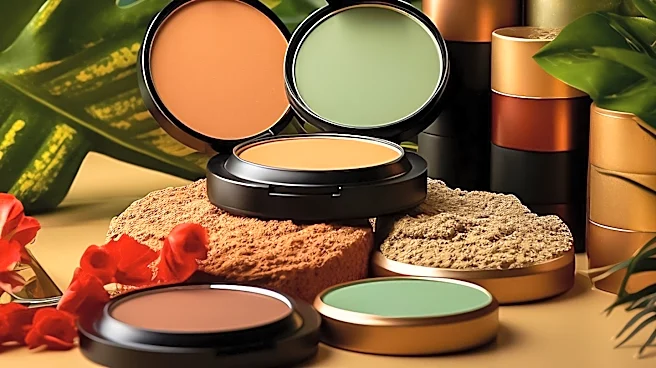
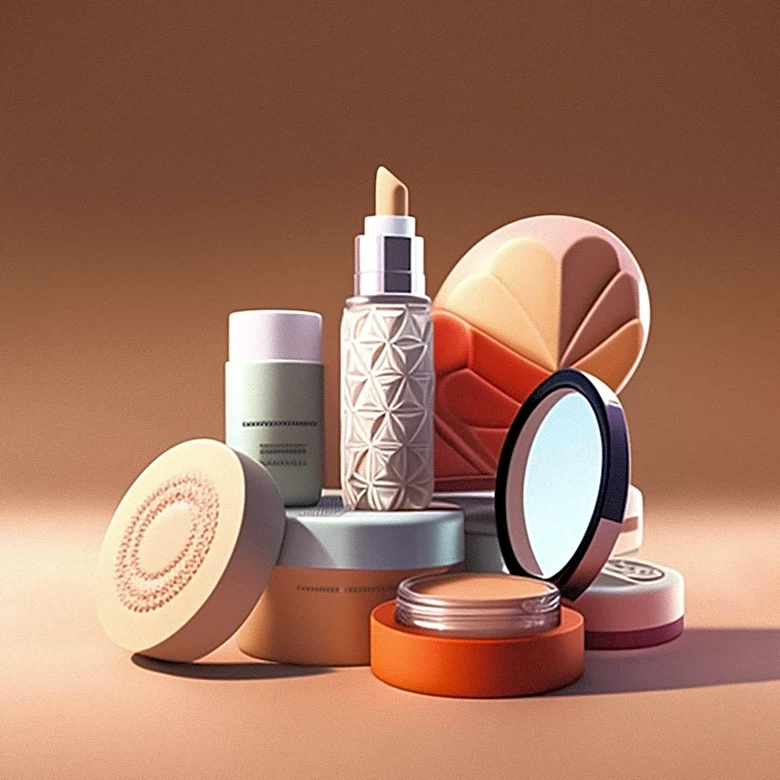
The beauty industry is increasingly adopting refillable product options and sustainable packaging solutions to address environmental concerns. L'Oréal Groupe has launched the third edition of its #JoinTheRefillMovement campaign, aiming to make refillable beauty products
accessible at all price points and highlight their practical and economic benefits. Similarly, Lush has introduced packaging-free shampoo bars and solid shower gels, designed to reduce excess packaging and CO2 emissions by replacing water content with solid ingredients. Faith In Nature has partnered with Reuseabox to reuse over 13,000 cardboard boxes annually, preventing 12 tonnes of CO2e emissions. These initiatives reflect a broader industry trend towards minimizing waste and promoting a circular economy within the beauty sector. The focus is on extending the life of packaging and reducing the resources needed for new products, with companies emphasizing both environmental benefits and consumer convenience.
Why It's Important?
This shift towards sustainable beauty products is important for several reasons. Environmentally, it directly tackles the significant waste generated by the beauty industry, particularly from single-use packaging. By promoting refillable and packaging-free options, companies are reducing landfill waste, conserving resources, and lowering carbon footprints associated with manufacturing and transportation. Economically, this trend can lead to cost savings for both consumers and businesses. Refillable formats often offer a price advantage, while companies can optimize supply chains by reducing packaging materials and transportation weight. Socially, it responds to growing consumer demand for eco-conscious products, influencing purchasing decisions and encouraging other industries to adopt similar sustainable practices. This movement also fosters innovation in packaging design and ingredient formulation, pushing the industry towards more responsible and efficient production methods.
What's Next?
The beauty industry is expected to continue expanding its range of refillable and sustainable products. L'Oréal's campaign aims to increase the visibility and availability of reusable alternatives, suggesting a future where these options are standard rather than niche. More brands are likely to follow Lush's lead in developing packaging-free formats, especially for travel and convenience. Partnerships like Faith In Nature's with Reuseabox highlight a growing emphasis on circular economy principles, where packaging is reused multiple times before recycling. Consumers can anticipate more transparent labeling regarding product sustainability, as well as increased educational efforts from brands on how to properly use and dispose of eco-friendly products. The industry will likely see further innovation in material science for packaging, focusing on easily recyclable or biodegradable options, and a greater integration of sustainability into core business strategies.
Beyond the Headlines
Beyond the immediate environmental and economic benefits, the rise of refillable beauty products signifies a deeper cultural shift in consumer values and corporate responsibility. It challenges the long-standing 'take-make-dispose' model of consumption, promoting a more mindful approach to product lifecycle. This trend could lead to a re-evaluation of what constitutes 'luxury' in beauty, moving away from elaborate, single-use packaging towards elegant, durable, and reusable designs. It also raises ethical considerations about ingredient sourcing and manufacturing processes, pushing companies to adopt more holistic sustainability practices. The emphasis on reducing CO2 emissions and conserving resources could set new industry standards, influencing regulatory frameworks and fostering greater accountability. Ultimately, this movement has the potential to transform consumer habits, encouraging a broader adoption of sustainable practices across various sectors and contributing to a more circular and resource-efficient economy.