




What's Happening?
EDF Power Solutions North America is actively recruiting Utility Scale Project Development Managers and Senior Development Managers for its West Region operations. These roles are crucial for leading the development of large-scale renewable energy assets,
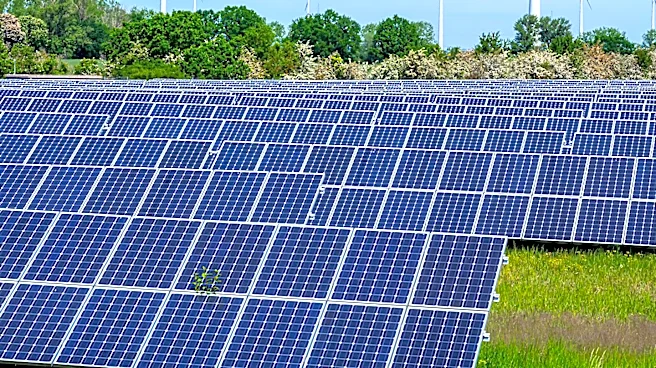
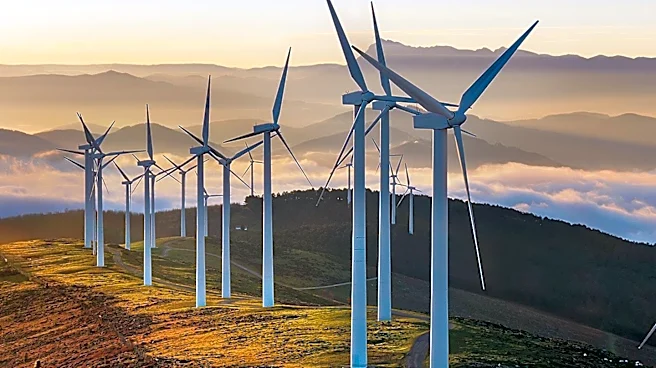
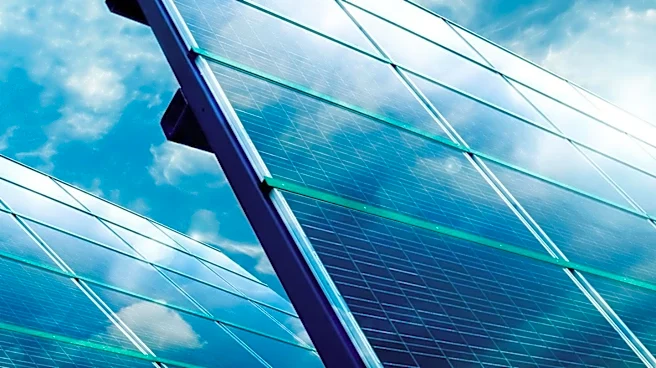
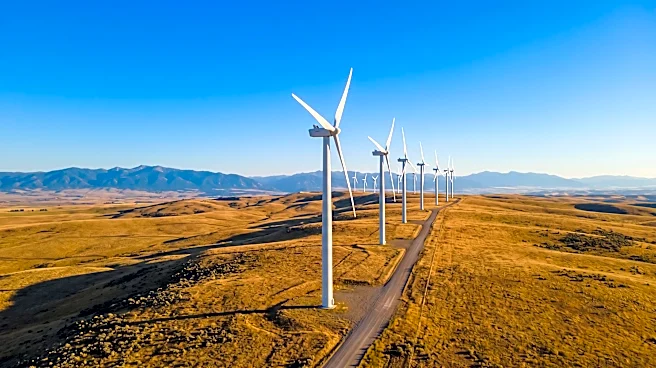
including solar, wind, and battery storage projects. The positions require individuals with significant experience in navigating the complex lifecycle of renewable energy development, from initial land acquisition and site control to managing interconnection processes with ISO/RTOs (Independent System Operator/Regional Transmission Organization) like CAISO and WECC. Candidates are expected to possess expertise in permitting, land-use law, project economics, and contract negotiation, ensuring projects meet internal 'Final Investment Decision' criteria and are de-risked for construction. The company emphasizes the technical and regulatory nature of these roles, highlighting the need for a mix of real estate acumen, understanding of power grids, and persistence to manage multi-year permitting and interconnection timelines. These hybrid positions involve both office-based work and up to 50% field travel across the western United States for site visits and stakeholder meetings.
Why It's Important?
The recruitment drive by EDF Power Solutions North America signifies a significant push in the development of utility-scale renewable energy infrastructure across the western U.S. This initiative is vital for the nation's energy transition goals, aiming to increase the share of clean energy sources in the power grid. The successful development of these projects will contribute to grid stability, reduce reliance on fossil fuels, and help states meet their renewable portfolio standards. The emphasis on navigating complex regulatory and technical landscapes underscores the challenges and opportunities within the U.S. renewable energy sector. The expansion of such projects will create jobs, stimulate local economies, and attract further investment in green technologies. Furthermore, the focus on regions like CAISO and WECC indicates a strategic effort to bolster renewable energy capacity in areas with high demand and significant potential for solar, wind, and storage solutions, ultimately impacting energy costs and environmental quality for millions of Americans.
What's Next?
The immediate next step for EDF Power Solutions North America is to fill these critical development management positions. Once these roles are staffed, the focus will shift to actively identifying, evaluating, and securing viable land for utility-scale renewable energy deployment across the western U.S. This will involve intensive work on interconnection management, navigating ISO/RTO queues, and managing technical studies required for grid injection. Concurrently, efforts will be directed towards obtaining necessary environmental and land-use permits at local, state, and federal levels, including CEQA/NEPA where applicable. The company will also engage in rigorous project economic modeling and budget tracking to ensure assets meet financial viability criteria. Successful execution of these steps will lead to the construction and eventual operation of new renewable energy facilities, contributing to the expansion of the U.S. clean energy grid and advancing the nation's sustainability objectives.
Beyond the Headlines
Beyond the immediate development of renewable energy projects, this recruitment effort by EDF Power Solutions North America reflects broader trends in the U.S. energy landscape. It highlights the increasing demand for specialized expertise in renewable energy project development, particularly in areas requiring intricate knowledge of power markets, land-use law, and complex regulatory frameworks. The need for individuals who can manage multi-year permitting and interconnection timelines points to the inherent bureaucratic hurdles and the long-term commitment required for large-scale infrastructure projects. This also underscores the growing importance of integrating diverse renewable sources, such as wind, solar, and battery storage, to create a more resilient and sustainable energy grid. The investment in these roles suggests a strategic long-term vision for clean energy expansion, which will likely influence policy discussions around grid modernization, energy storage incentives, and environmental regulations, shaping the future of energy production and consumption in the U.S.