
What's Happening?
European tour operators are increasingly highlighting the critical role of local guides in providing authentic cultural immersion experiences for travelers. These guides offer insider knowledge and personal
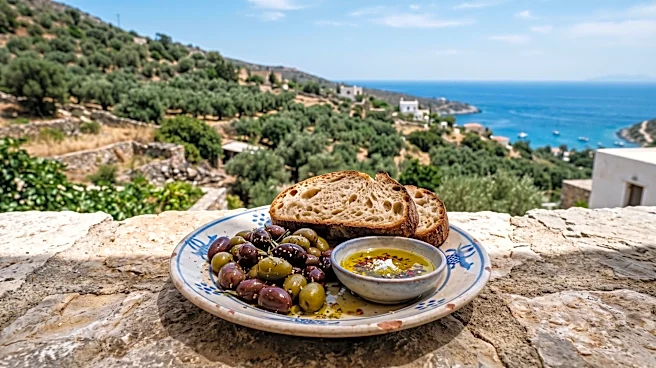
anecdotes that bring history and culture to life, providing insights not typically found in guidebooks. Their passion for their regions allows travelers to experience unique flavors and traditions, making tours genuinely immersive. The emphasis is on creating a deeper connection with destinations rather than just visiting landmarks. This approach also extends to culinary tours, where food is seen as a gateway to a region's soul, and selecting accommodations that reflect local character to enhance the travel experience. The goal is to move beyond rushed itineraries and allow for more spontaneous exploration and connection with local life.
Why It's Important?
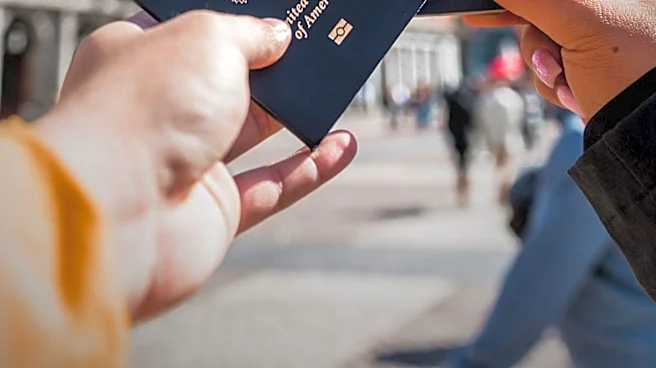
This trend is important for the U.S. travel market as American tourists increasingly seek more meaningful and authentic experiences abroad. The demand for cultural immersion directly influences how U.S. travel agencies and tour operators package and market European trips. By prioritizing local guides and immersive activities, these tours offer a richer alternative to traditional, fast-paced sightseeing, potentially increasing traveler satisfaction and repeat business. For the European tourism industry, this focus helps preserve local cultures and economies by directing tourist spending towards local experts and businesses. It also fosters a more sustainable form of tourism, encouraging deeper engagement rather than superficial consumption of attractions. U.S. travelers benefit from a more profound understanding of European societies and traditions, moving beyond typical tourist traps.
What's Next?
The emphasis on local guides and cultural immersion is likely to become a standard expectation for many travelers, influencing the design of future European tour packages. Tour operators will continue to refine itineraries to include more opportunities for genuine local interaction, such as workshops, home visits, and community-based activities. There may be an increased demand for specialized local guides with expertise in niche areas like history, art, or specific culinary traditions. U.S. travel agencies will need to adapt their offerings to meet this demand, potentially partnering with smaller, local European businesses to curate these authentic experiences. The trend could also lead to more personalized and customizable tour options, moving away from one-size-fits-all itineraries.
Beyond the Headlines
Beyond the immediate travel implications, this shift towards authentic cultural immersion reflects a broader societal desire for genuine connection and understanding in an increasingly globalized world. It highlights an ethical dimension in tourism, where the focus moves from mere consumption to respectful engagement with local communities and cultures. This approach can foster cross-cultural understanding and break down stereotypes, promoting a more informed global citizenry. It also underscores the value of human connection in an age dominated by digital interactions, emphasizing the irreplaceable role of local expertise and personal storytelling. The long-term impact could be a more responsible and enriching global tourism industry that benefits both travelers and host communities.