



What's Happening?
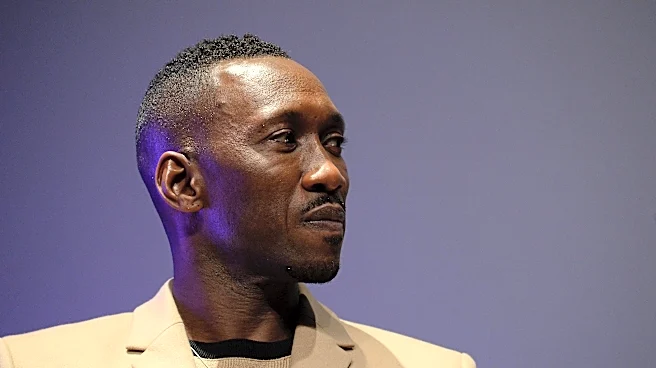
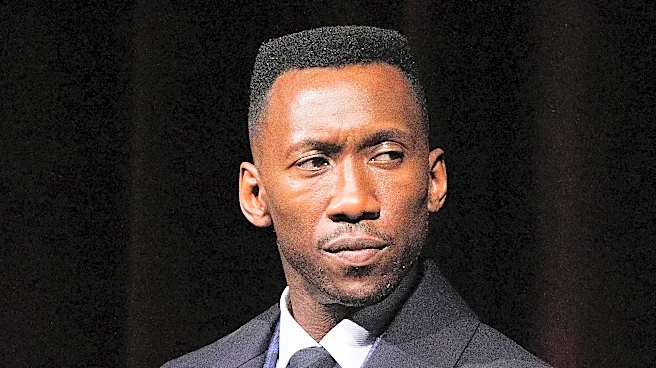
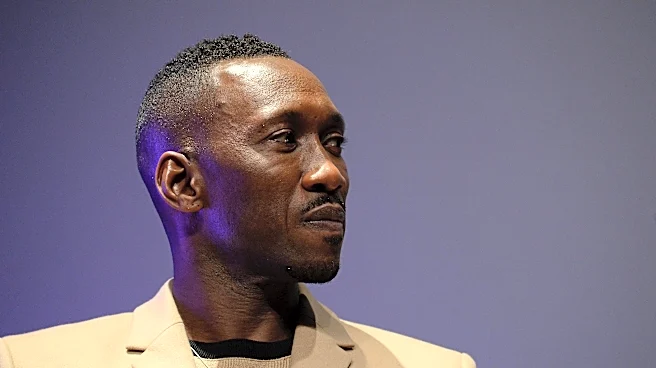
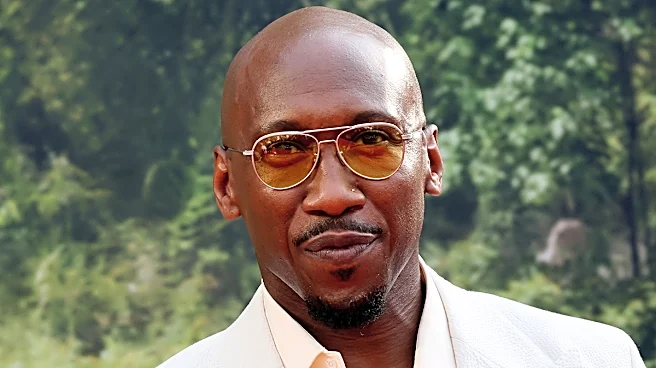
Mahershala Ali, a two-time Academy Award winner, has publicly stated that he is struggling to find acting roles despite his critical acclaim. During an appearance on Carmelo Anthony’s '7PM in Brooklyn' podcast, Ali explained that the industry suffers
from a scarcity of quality material rather than a lack of talented actors. He noted that many greenlit projects do not contain suitable roles for him, regardless of his past accolades. Ali emphasized that an Oscar win does not guarantee a steady stream of work, describing it as 'just talk' that 'doesn’t translate to anything real' in terms of securing roles. He also mentioned that while actors can produce their own projects, this process typically takes three to five years. Ali expressed a desire to pursue 'great material as a Black person' rather than being pigeonholed into 'diversity projects,' aiming to portray characters authentically living their lives.
Why It's Important?
Ali's revelation highlights a significant issue within the entertainment industry regarding the availability of diverse and quality roles, even for highly decorated actors. His experience suggests that systemic challenges persist, where even Oscar winners face difficulties in securing work that aligns with their artistic aspirations. This situation could indicate a broader problem of limited creative opportunities for actors of color, potentially leading to underrepresentation in mainstream productions. The struggle of an actor of Ali's caliber also raises questions about the long-term career sustainability for many in the industry, suggesting that critical success does not always translate into consistent employment. This could influence how emerging actors perceive career paths and the value of awards in the current Hollywood landscape.
What's Next?
The public discourse initiated by Ali's comments may prompt further discussions within Hollywood about casting practices, script development, and the creation of more inclusive and diverse roles. Industry executives, writers, and producers might face increased pressure to address the perceived lack of suitable material for a wide range of actors. This could lead to initiatives aimed at fostering more diverse storytelling and character development. Actors, particularly those from underrepresented groups, might be encouraged to take more control over their careers by developing their own projects, as Ali suggested, potentially leading to a rise in independent productions. The conversation could also influence film festival programming and funding for projects that prioritize diverse narratives and talent.
Beyond the Headlines
Ali's candid remarks delve into deeper issues concerning artistic freedom and systemic biases within the film industry. His distinction between 'diversity projects' and 'great material as a Black person' underscores a desire for authentic representation that moves beyond tokenism. This highlights a critical need for narratives that portray Black characters with depth and complexity, rather than solely through the lens of their racial identity. The struggle of a two-time Oscar winner also challenges the notion that merit alone guarantees success in Hollywood, suggesting that other factors, including industry trends and implicit biases, play a significant role. This situation could spark broader conversations about equitable opportunities and the true value of artistic achievement in a commercialized industry.