


What's Happening?
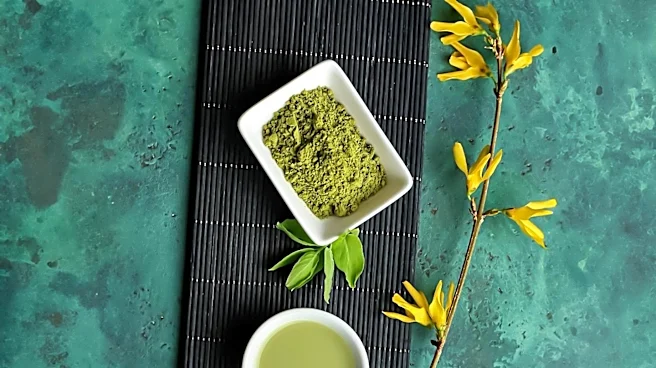
Jun Matcha Club has opened in South Jakarta's Panglima Polim neighborhood, transforming a former residential garage into a contemplative space centered around the ritual of preparing matcha. The club aims to offer a slower, more deliberate spatial experience
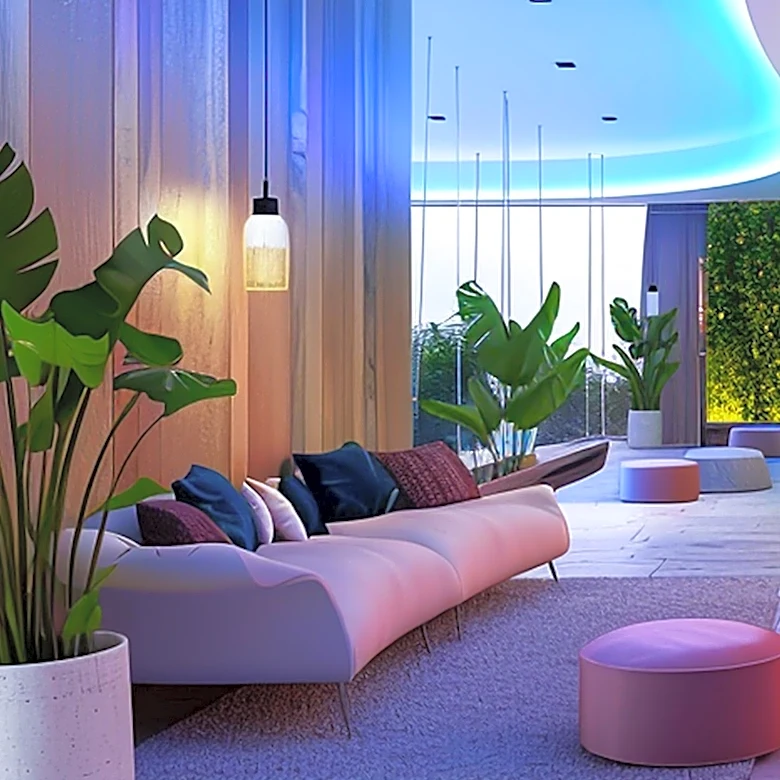
amidst the area's growing number of independent cafes and restaurants. The design of the club draws inspiration from the values of attentiveness, restraint, and craftsmanship inherent in matcha practice. It incorporates Indonesian makers, locally sourced materials, and a carefully sequenced interior to create a contemporary tea space where ritual, material, and making converge. The experience begins with a semi-outdoor seating area, transitioning into the main room where the matcha bar is the focal point, illuminated by banana-fiber paper.
Why It's Important?
This development highlights a growing trend in the hospitality sector towards creating immersive, culturally rich experiences that go beyond simple consumption. By focusing on the ritual of matcha preparation and integrating local craftsmanship, Jun Matcha Club offers a unique model for businesses seeking to differentiate themselves in competitive urban markets. This approach can attract consumers looking for authentic and mindful experiences, potentially influencing design and service trends in other lifestyle and food establishments. The emphasis on locally sourced materials and Indonesian craftsmanship also supports local artisans and promotes cultural heritage, contributing to the local economy and fostering a sense of community around traditional practices.
What's Next?
The success of Jun Matcha Club could inspire similar ventures that blend traditional rituals with modern design and local craftsmanship, not only in Jakarta but potentially in other urban centers. This model might encourage other businesses to explore how cultural practices and local resources can be integrated into their offerings to create distinctive customer experiences. Future developments could include partnerships with local artisans for exclusive merchandise or workshops, further deepening the club's connection to its cultural roots and community. The club's focus on a 'slower, more contemplative spatial experience' may also influence urban planning and design, promoting spaces that prioritize well-being and cultural engagement.
Beyond the Headlines
The establishment of Jun Matcha Club reflects a broader societal shift towards valuing mindfulness, authenticity, and cultural immersion in everyday experiences. In an increasingly fast-paced world, spaces that encourage deliberate engagement and connection to tradition offer a counter-narrative. This trend extends beyond the culinary world, influencing areas such as wellness, travel, and retail, where consumers are seeking more meaningful interactions and products with a story. The club's commitment to Indonesian craftsmanship also underscores the importance of preserving and promoting local artistry in a globalized market, potentially fostering a renewed appreciation for handmade goods and traditional techniques.