






What's Happening?
Langkawi, an island in Kedah, Malaysia, is a prominent tourist destination known for its natural beauty and varied attractions. It is the largest of 104 islands in the Andaman Sea archipelago. The island features the Langkawi Cable Car, the Telaga Tujuh
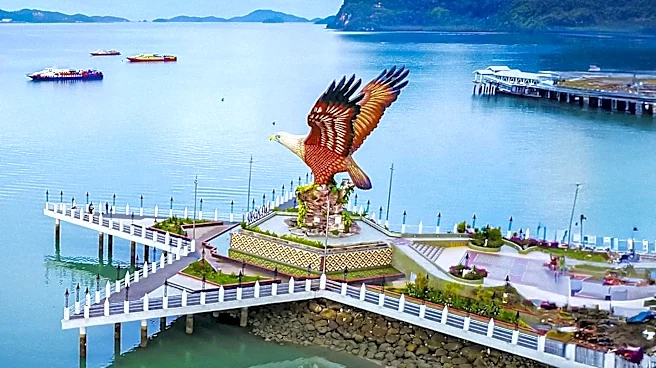
waterfalls, and the Langkawi Geo Park. Visitors can find accommodation ranging from hotels like Kuala Melaka Inn and The Ritz-Carlton, Langkawi, to villas such as La Villa Langkawi. The Ritz-Carlton, Langkawi, specifically highlights its overwater spa pavilions and a range of spa services inspired by Malaysian healing rituals, including the Mandi Bunga Inspired Ritual. The hotel also offers unique experiences like the 'Walkway of Wishes,' where guests can place a wish on a stone in a fountain filled with water from the Lake of the Pregnant Maiden. Other local attractions include Pantai Cenang, Eagle Square, Underwater World, Langkawi Wildlife Park, Pulau Payar Marine Park, and Langkawi Craft. The island is also set to host the Langkawi International Half Marathon on December 12, 2026. Activities available to tourists include relaxing on beaches, exploring rainforests, and participating in local events.
Why It's Important?
The continued promotion and development of Langkawi as a tourist destination in Malaysia holds significance for the global tourism industry and regional economies. For U.S. travelers, it represents an accessible and diverse international travel option, potentially influencing travel patterns and preferences. The range of attractions, from natural wonders like waterfalls and geo parks to cultural experiences and luxury accommodations, caters to a broad spectrum of tourists, including families and those seeking wellness retreats. The hosting of international events like the Langkawi International Half Marathon further elevates the island's profile, attracting sports tourism and contributing to the local economy through increased visitor spending on lodging, dining, and activities. The emphasis on unique cultural experiences, such as spa treatments inspired by local traditions, also contributes to the preservation and promotion of Malaysian heritage, offering a distinct cultural immersion for international visitors. The economic impact extends to local businesses, employment opportunities in the hospitality sector, and infrastructure development to support the growing tourism influx.
What's Next?
Langkawi is scheduled to host the Langkawi International Half Marathon on December 12, 2026, which will likely draw international participants and spectators, further boosting the island's tourism sector. The ongoing development and promotion of its diverse attractions, including natural sites and cultural experiences, are expected to continue. Hotels like The Ritz-Carlton, Langkawi, will likely maintain their focus on unique guest experiences, such as their spa services and the 'Walkway of Wishes,' to attract and retain high-end clientele. The island's tourism board and local businesses will probably continue to market Langkawi as a versatile destination for various types of travelers, from those seeking relaxation on beaches to adventurers exploring rainforests and cultural sites. Future initiatives may include further enhancements to infrastructure and services to accommodate the anticipated growth in tourism, ensuring the island remains a competitive and appealing destination in Southeast Asia.
Beyond the Headlines
The sustained appeal of destinations like Langkawi highlights a broader trend in global tourism towards experiential travel, where visitors seek not just relaxation but also cultural immersion, adventure, and wellness. The integration of traditional healing rituals into luxury spa services, as seen at The Ritz-Carlton, Langkawi, reflects a growing demand for authentic local experiences within a high-end context. This approach not only enriches the tourist experience but also provides a platform for local traditions to gain international recognition and economic viability. Furthermore, the balance between developing tourism infrastructure and preserving natural and cultural heritage is a critical aspect for such destinations. The presence of a Geo Park and efforts to highlight natural wonders suggest an awareness of ecological sustainability, which is increasingly important for environmentally conscious travelers. The success of Langkawi in attracting a diverse range of tourists, from those interested in marathons to those seeking tranquil retreats, underscores the importance of a multi-faceted tourism strategy that caters to varied interests while maintaining the destination's unique identity.