



What's Happening?
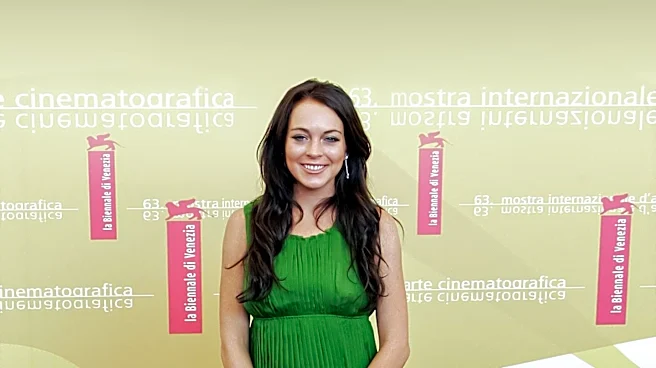
The Venice Film Festival has announced the cancellation of its traditional jury press conference, an unusual move for a major international film festival. Typically, a media schedule including a press conference with the jury is standard practice. However,
the festival confirmed to Deadline that this year's jury press conference will not take place. This decision has led to speculation regarding potential political motivations, especially given past instances where international film festival juries faced questions about global conflicts, particularly in the Middle East. The festival, however, stated that the cancellation is due to a scheduling conflict, not an attempt to avoid politically sensitive questions. Maggie Gyllenhaal is set to head this year’s international jury, joined by other notable filmmakers and artists.
Why It's Important?
The cancellation of a standard press event at a prestigious international film festival like Venice could set a precedent for how major cultural institutions manage media interactions and public scrutiny. While the festival attributes the decision to scheduling conflicts, the underlying concern about avoiding politically charged discussions highlights the increasing pressure on cultural events to navigate complex global issues. This move might influence other film festivals to re-evaluate their media strategies, potentially leading to less direct engagement between juries and the press. For the film industry, this could mean a shift in how critical discourse is shaped around festival selections and awards, potentially reducing opportunities for in-depth journalistic inquiry into the artistic and social contexts of the films presented. It also raises questions about transparency and accessibility for media covering these high-profile events.
What's Next?
With the jury press conference canceled, attention will likely shift to how Maggie Gyllenhaal and the rest of the international jury navigate their roles and public appearances throughout the festival. Journalists and attendees will be keen to observe if the absence of a formal press conference impacts the overall narrative or the types of discussions that emerge around the films. Future film festivals may monitor the Venice Film Festival's experience to determine if similar adjustments to their media schedules are warranted, especially if they anticipate politically sensitive topics arising. The decision could also prompt further discussions within the film community about the role of political discourse in cultural events and the responsibilities of festival organizers in facilitating open dialogue.
Beyond the Headlines
This decision by the Venice Film Festival touches upon broader themes of media control, the politicization of cultural events, and the evolving landscape of public relations in a globally interconnected world. In an era where social and political issues frequently intersect with art, institutions are increasingly challenged to manage public perception and potential controversies. The festival's explanation of a 'scheduling conflict' might be seen by some as a diplomatic way to sidestep potentially uncomfortable political questions, reflecting a growing trend of institutions attempting to maintain neutrality or avoid becoming platforms for contentious debates. This could lead to a more curated and controlled narrative around major cultural events, potentially limiting spontaneous and critical engagement from the press and public. It also underscores the delicate balance between artistic expression, political sensitivity, and media transparency.