






What's Happening?
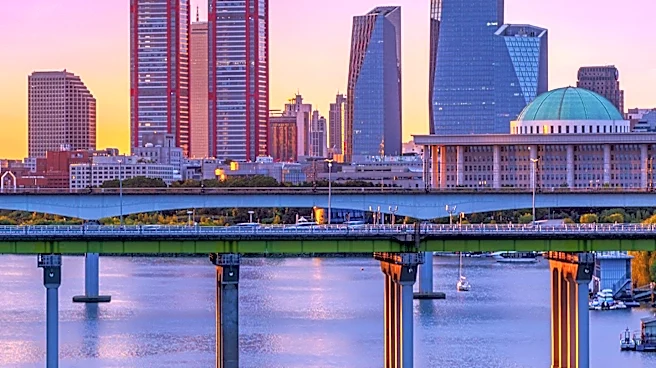
Seoul is presented as a dynamic city that seamlessly blends traditional Korean culture with modern architecture, trendy cafes, and bustling shopping districts. The city offers a rich food scene, with options ranging from street food like Hotteok and Gimbap
to traditional market fare and neighborhood restaurants. Visitors can explore historic palaces, traditional Korean houses, contemporary art spaces, and riverside parks. The city's extensive public transportation network, including subways and buses, is highlighted as a convenient and affordable way to navigate its many attractions. Travel tips for visitors include using a rechargeable transport card like T-money, downloading local navigation apps such as Naver Map or Kakao Map due to Google Maps' limited functionality in South Korea, and considering an eSIM for data connectivity upon arrival. The best times to visit are spring and autumn for mild weather and scenic beauty, though Seoul is a year-round destination.
Why It's Important?
The detailed guide to Seoul underscores the city's growing appeal as a global travel destination, reflecting broader trends in international tourism and cultural exchange. The emphasis on accessible public transportation and diverse culinary experiences caters to a wide range of travelers, potentially boosting tourism revenue and supporting local businesses. For U.S. travelers, understanding these aspects can facilitate smoother and more enriching visits, contributing to cross-cultural understanding and economic ties through tourism. The advice on local apps and transport cards highlights the importance of adapting to local infrastructure, a common challenge and opportunity for international visitors. The city's blend of tradition and modernity also positions it as a cultural hub, influencing global trends in fashion, food, and entertainment.
What's Next?
As Seoul continues to attract international visitors, there will likely be ongoing efforts to enhance tourist infrastructure and services. This could include further integration of digital tools for navigation and payment, expansion of English-language resources, and promotion of lesser-known cultural sites to diversify tourist experiences. The focus on local cuisine and shopping suggests a continued emphasis on showcasing Korean products and culinary traditions. The city's ability to maintain its unique blend of historical charm and modern vibrancy will be crucial for its sustained appeal. Future developments might also involve collaborations with international travel platforms to streamline booking and planning for global tourists, further solidifying Seoul's position as a premier travel destination.
Beyond the Headlines
The portrayal of Seoul as a city where 'traditional palaces sit alongside modern skyscrapers' speaks to a broader global phenomenon of cultural preservation amidst rapid modernization. This balance is not merely aesthetic but reflects a societal effort to maintain identity while embracing progress. The detailed food recommendations highlight the role of cuisine as a cultural ambassador, offering a tangible way for visitors to connect with Korean heritage. The practical advice for travelers, such as using local apps and understanding local etiquette, points to the increasing need for cultural sensitivity and digital literacy in international travel. This blend of old and new, local and global, positions Seoul as a microcosm of contemporary urban development, where economic growth and cultural authenticity are carefully negotiated.