





What's Happening?
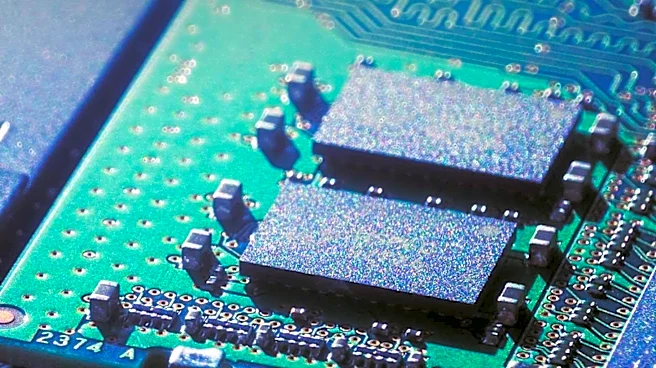
Major DRAM manufacturers, including Samsung, SK hynix, and Micron, have secured $38 billion in advance payments through long-term supply contracts, solidifying their market dominance. These agreements, which extend through 2030, provide financial stability
and leverage over customers. The contracts involve prepayments and strict price floors, ensuring a steady revenue stream for the manufacturers. However, this dominance is expected to face challenges as the contracts near expiration. By 2029, the leverage held by these companies may diminish as the market adjusts to increased production capacity and shifts in supply-demand dynamics.
Why It's Important?
The current dominance of DRAM manufacturers highlights the strategic importance of securing supply chains in the semiconductor industry. The advance payments and long-term contracts provide financial security and allow manufacturers to invest in expanding production capacity. However, the expiration of these contracts could lead to a shift in market dynamics, potentially reducing the pricing power of these companies. This development is crucial for stakeholders in the semiconductor industry, as it may impact pricing, supply availability, and competitive strategies. The anticipated changes in the DRAM market could also influence broader trends in the technology sector, affecting companies reliant on memory products.
What's Next?
As the expiration of the long-term contracts approaches, DRAM manufacturers may need to adapt their strategies to maintain market position. This could involve exploring new technologies, diversifying product offerings, or forming strategic partnerships. The potential shift in market dynamics may also prompt customers to seek alternative suppliers or negotiate more favorable terms. The industry will be closely watching how these changes unfold and the impact on pricing and supply chain stability. Additionally, the increased production capacity resulting from current investments may lead to a more competitive market environment, influencing future business models and strategies.