







What's Happening?
August Lamm, a visual artist and activist based in upstate New York, is promoting a smartphone-free lifestyle, asserting that its benefits significantly outweigh any inconveniences. Lamm, who personally abandoned her smartphone in 2022, details her experiences
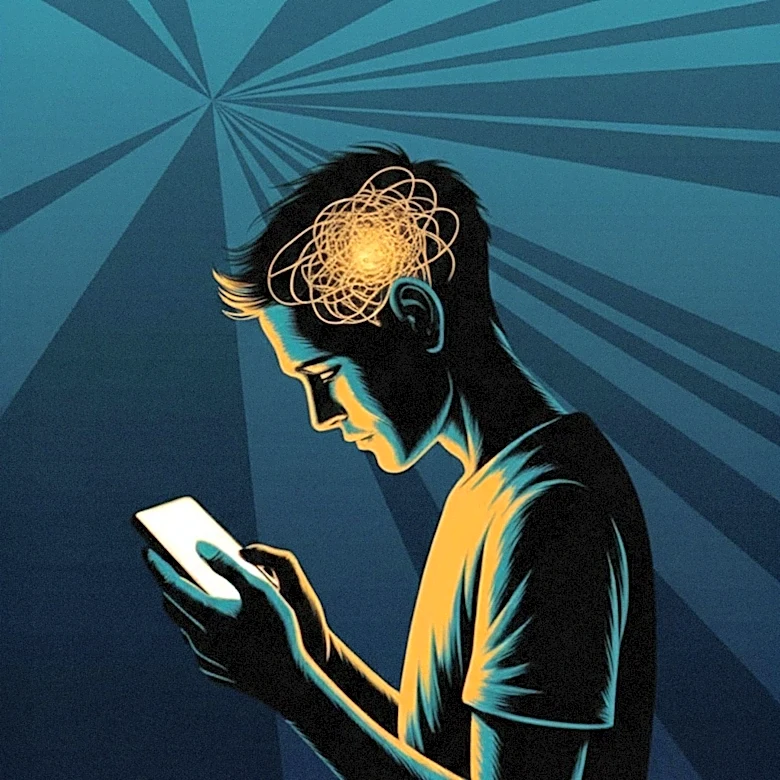
and provides guidance in her new book, 'You Don’t Need a Smartphone: A Practical Guide to Downgrading Your Phone and Upgrading Your Life.' She argues that excessive screen time, particularly among adolescents (who average over eight hours daily according to the Office of the US Surgeon General), negatively impacts physical and mental health. Lamm suggests that removing the constant distractions of a smartphone allows individuals to reclaim significant amounts of time and fosters deeper, more intentional connections with others. She highlights that without a smartphone, individuals are more present in their interactions and surroundings, leading to improved mental clarity and reduced feelings of anxiety and panic often associated with device dependency. Lamm also notes that giving up a smartphone can lead to the re-acquisition of natural cognitive skills, such as memory and orientation, which are often outsourced to digital devices.
Why It's Important?
The movement towards smartphone-free living, as advocated by August Lamm, carries significant implications for public health, social interaction, and personal productivity in the U.S. The reported average of over eight hours of screen time per day for 13- to 18-year-olds, as cited by the Office of the US Surgeon General, underscores a growing concern about digital addiction and its detrimental effects on mental and physical well-being. Lamm's personal testimony and practical guide offer a tangible alternative to this pervasive digital dependency, suggesting that individuals can regain control over their time and attention. This shift could lead to a healthier, more engaged populace, potentially reducing rates of anxiety, improving sleep patterns, and fostering stronger community ties. For industries, particularly those reliant on constant digital engagement, this trend could signal a need to adapt, focusing on more intentional and less intrusive forms of interaction. Furthermore, the emphasis on reclaiming natural cognitive abilities challenges the notion that technology always enhances human capacity, prompting a re-evaluation of how individuals interact with and rely on digital tools in their daily lives.
What's Next?
Individuals considering a smartphone-free lifestyle are encouraged to try a month-long trial period to assess its impact on their well-being. Lamm suggests that tools like The Brick, Nokia 2780 flip phone, and Mindsight Lockbox can aid in reducing screen time. The broader societal impact could involve a growing trend of 'digital detoxes' or the adoption of 'dumb phones' for primary communication, leading to a potential niche market for such devices. Educational institutions and public health organizations may increasingly promote awareness campaigns about the benefits of reduced screen time, potentially influencing policy discussions around digital well-being. Businesses might need to innovate to provide essential services in non-smartphone-dependent ways, or develop apps that encourage mindful usage rather than constant engagement. The long-term effects could include a cultural shift towards valuing presence and intentional interaction over constant digital connectivity, potentially reshaping social norms and expectations regarding device usage in public and private settings.
Beyond the Headlines
The advocacy for a smartphone-free life touches upon deeper societal and ethical considerations regarding the role of technology in human development and well-being. Lamm's argument that technology can foster 'learned helplessness' by outsourcing basic cognitive functions raises questions about the long-term impact of digital reliance on human intelligence and autonomy. The concept of reclaiming 'free time' by eliminating micro-checks throughout the day highlights a subtle but profound form of digital colonization of personal time, prompting reflection on how modern life has blurred the lines between work, leisure, and constant availability. Ethically, the discussion challenges the design principles of many tech companies, which often prioritize engagement metrics over user well-being, suggesting a need for more human-centric design in technology. Culturally, a widespread adoption of smartphone-free practices could lead to a re-emphasis on face-to-face interactions, analog hobbies, and a slower pace of life, potentially counteracting the isolating effects of hyper-connectivity and fostering a renewed appreciation for the tangible world.