


What's Happening?
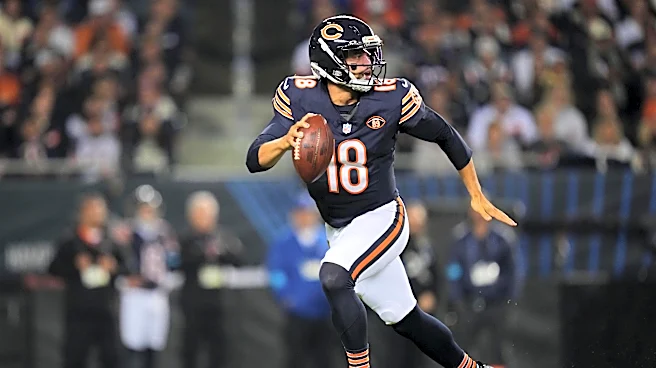
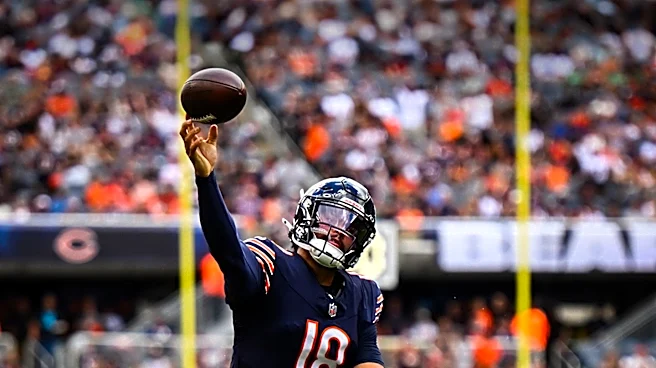
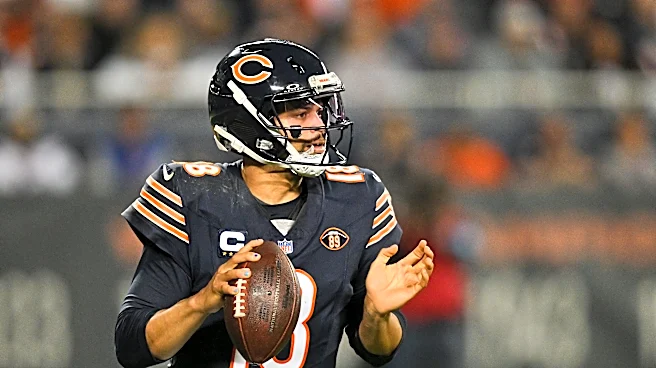
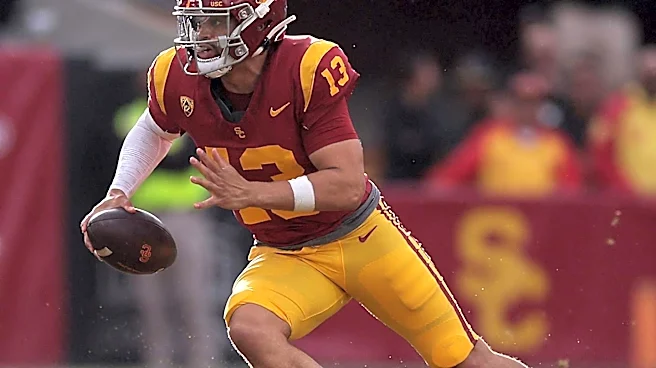
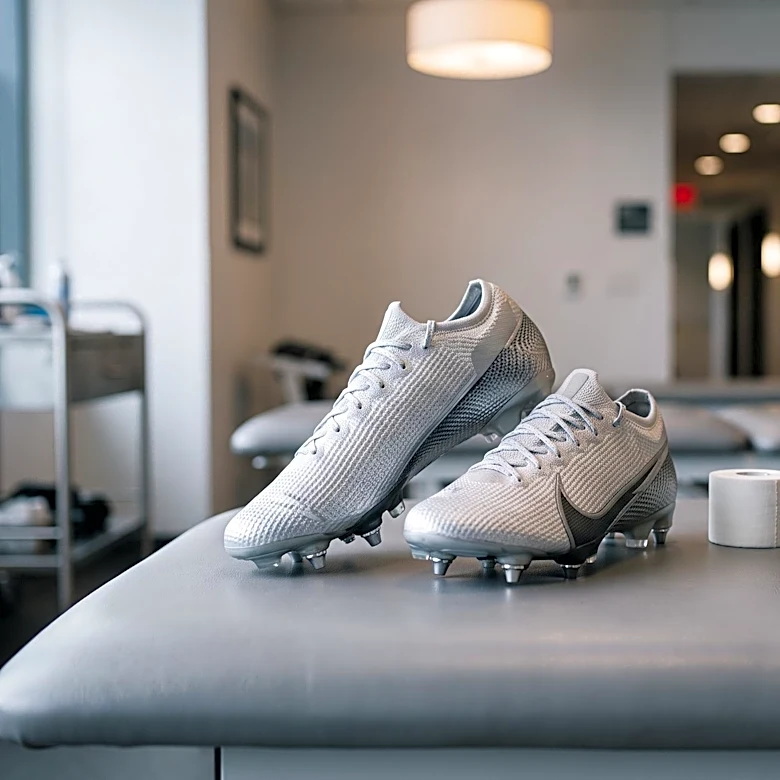
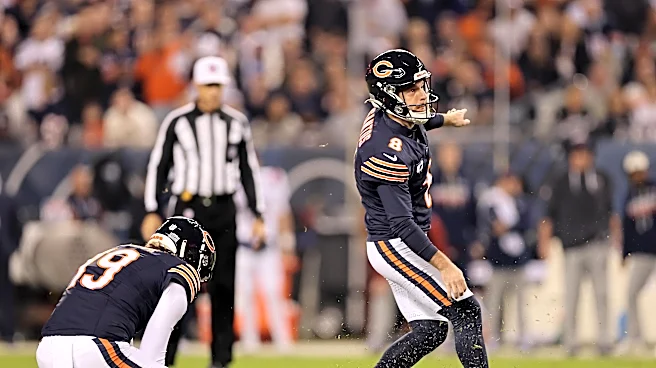
NFL player Caleb Williams was fined $11,941 for wearing unauthorized Caddix smart cleats during a Week 6 game against Atlanta. Despite the fine, Williams continued to wear the same brand of shoes in Week 7. The Caddix cleats are not licensed by the NFL,
which has specific agreements with shoe companies to outfit its players. Williams has publicly stated that he wears the Caddix cleats for their health benefits, specifically their "SmartStuds" technology designed to reduce rotational torque and minimize injury risks to tendons and joints. He emphasized his focus on staying healthy and on the field, noting that other players in the league also use these cleats. The NFL had not fined Williams for wearing the Caddix cleats in earlier games, including the preseason and Weeks 1 and 2 of the regular season.
Why It's Important?
This situation highlights a conflict between player health and safety concerns and the NFL's commercial agreements with licensed shoe manufacturers. Williams's decision to prioritize what he believes are safer cleats, even at the cost of a fine, underscores a growing awareness among athletes about injury prevention and performance optimization through technology. The NFL's stance, while protecting its lucrative licensing deals, could be perceived as prioritizing financial interests over player well-being, especially if the unauthorized cleats genuinely offer superior protective features. This could lead to broader discussions within professional sports leagues about the balance between commercial partnerships and the adoption of innovative technologies that could enhance player safety and career longevity. The incident also brings attention to the potential for new sports technology companies like Caddix to disrupt established markets, even without official league endorsements.
What's Next?
While Caddix reportedly plans to cover Williams's fine, NFL rules generally prohibit third parties from paying player fines, though an endorsement deal could circumvent this. The league faces a dilemma: continue enforcing its licensing agreements, potentially at the expense of player safety perceptions, or explore integrating advanced, unauthorized technologies that players find beneficial. This incident could prompt the NFL to re-evaluate its equipment approval processes and licensing policies, possibly leading to a more flexible approach for technologies that offer demonstrable health advantages. It may also encourage other players to openly advocate for or use similar 'smart' equipment, potentially forcing the league to address the issue more comprehensively. The ongoing use of these cleats by Williams and other players could also spur further research into the efficacy of such technologies in reducing sports-related injuries.
Beyond the Headlines
The conflict between Caleb Williams and the NFL over his choice of cleats touches upon deeper ethical and economic considerations within professional sports. It raises questions about player autonomy in making health-related decisions versus the contractual obligations imposed by leagues and their commercial partners. If 'smart' equipment like Caddix cleats proves to significantly reduce injury rates, the NFL's resistance could be seen as a failure to adapt to advancements that could protect its most valuable assets—the players. This scenario could set a precedent for how sports leagues balance tradition, revenue generation, and player welfare in an era of rapid technological innovation. It also highlights the potential for a 'black market' of sorts for performance-enhancing or safety-improving gear that falls outside official endorsements, challenging the control leagues exert over player equipment.