
What's Happening?
Colter Swicegood, head of brand marketing at Vari, highlights key strategies for designing home offices that are both stylish and functional, moving beyond the traditional 'sterile office cubicle' aesthetic.
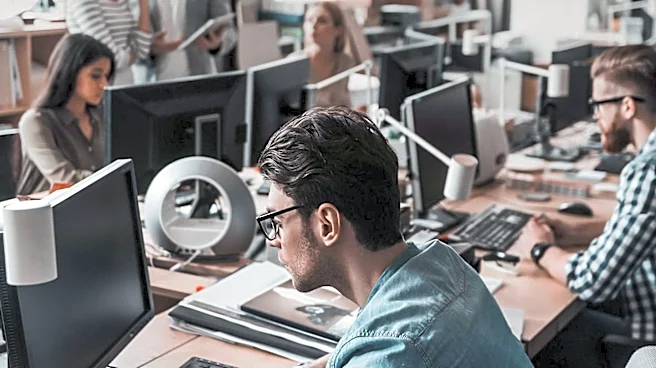
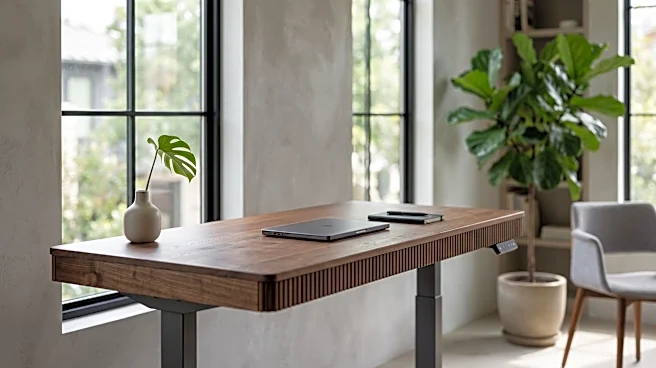
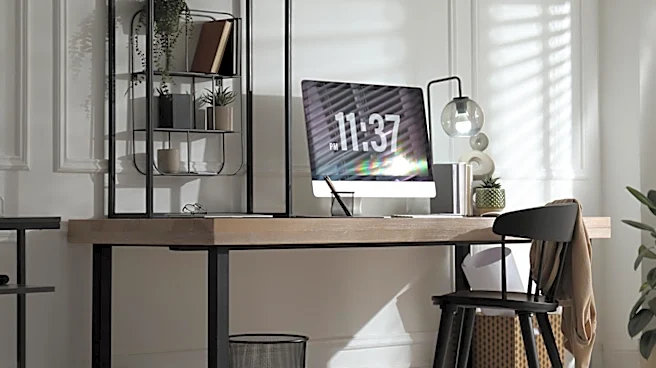
The primary focus is on integrating the workspace seamlessly into the existing home environment. This involves matching finishes of office furniture with the home's current materials, such as flooring and decor. Swicegood emphasizes that the desk should be the focal point, with lighting, rugs, and other furnishings chosen to complement the overall home design. The location of the home office is also crucial, with dedicated, isolated workspaces being ideal for advanced setups and separation of work from home life. For those with limited space, he suggests multipurpose or hidden furniture, like Murphy bed-style desks, to minimize visual impact while still providing functionality. Proper lighting, including accent and task lighting, is essential, with recommendations to position desks to utilize natural light effectively and use task lamps that can double as ring lights for video calls. Cable management is also stressed to prevent clutter and maintain a refined look.
Why It's Important?
The shift to remote work has made well-designed home offices a necessity, impacting productivity and work-life balance for a significant portion of the U.S. workforce. By integrating workspaces into the home's aesthetic, individuals can create environments that feel less like temporary setups and more like permanent, comfortable extensions of their living spaces. This approach can reduce stress and improve focus, as a harmonious environment is less distracting than a cluttered or mismatched one. The emphasis on ergonomic furniture and proper lighting addresses common health concerns associated with prolonged computer use, such as eye strain and poor posture. For businesses, supporting employees in creating effective home offices can lead to increased job satisfaction and retention, as it demonstrates an understanding of the evolving nature of work. The advice on space-saving solutions is particularly relevant for urban dwellers or those in smaller homes, ensuring that remote work remains accessible and practical for a broader demographic.
What's Next?
As remote and hybrid work models continue to evolve, the demand for innovative home office solutions is expected to grow. Manufacturers and designers will likely focus on developing more integrated and customizable furniture options that blend seamlessly with residential aesthetics. There may be an increased emphasis on smart home technology that supports productivity, such as automated lighting and climate control tailored for work hours. Educational resources and design consultations for home office setups could become more prevalent, helping individuals optimize their spaces. Furthermore, the market for accessories that enhance comfort and organization, such as advanced cable management systems and ergonomic tools, is anticipated to expand. The long-term trend suggests a continued blurring of lines between living and working spaces, driving further innovation in residential design to accommodate professional needs.
Beyond the Headlines
The evolution of home office design reflects a broader cultural shift in how Americans perceive work and personal life. The desire for a 'home' in the home office signifies a move away from the rigid separation of these two spheres, embracing a more integrated lifestyle. This trend could lead to a re-evaluation of residential architecture and interior design, with new homes potentially incorporating dedicated, yet aesthetically pleasing, workspaces as a standard feature. The focus on personalization and comfort in the home office also highlights a growing emphasis on individual well-being in the workplace, even when that workplace is at home. This could influence corporate policies regarding remote work stipends and support, as companies recognize the importance of a conducive home environment for employee performance and mental health. The ethical implications of constant connectivity and the potential for work to encroach on personal time will also remain a critical consideration in this evolving landscape.