



What's Happening?
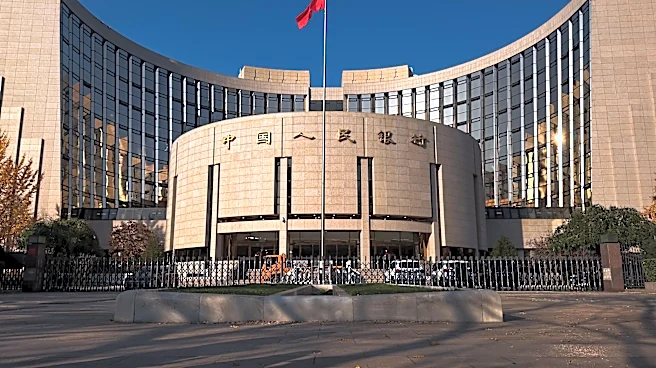
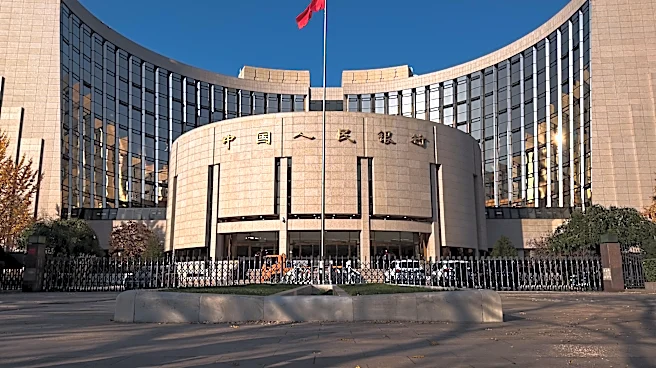
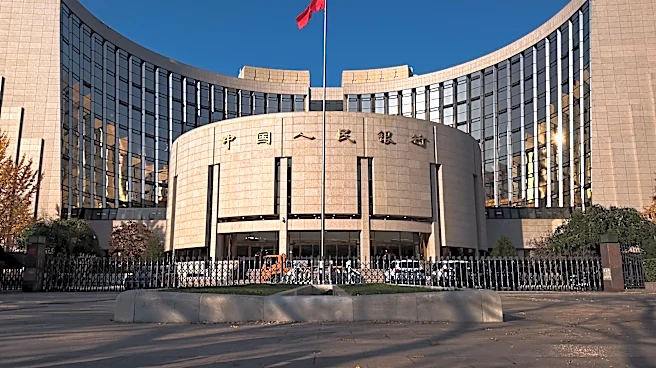
Pan Gongsheng, Governor of the People's Bank of China (PBOC), met with European officials, including European Central Bank Executive Board member Piero Cipollone, to discuss exchange rates, monetary policy, and economic conditions. This meeting occurred
as European leaders, including ECB President Christine Lagarde, have expressed concerns regarding the yuan's valuation and China's growing trade surplus with the European Union. Governor Pan advocated for increased dialogue and cooperation between China and the EU, emphasizing the importance of mutual respect and open collaboration to manage differences. He stated that strengthening communication on macroeconomic and financial policies would enhance mutual understanding and trust. This engagement follows previous discussions where Pan defended China's policies at a G20 meeting in October, urging a broader perspective beyond current account and exchange rate adjustments when evaluating global imbalances.
Why It's Important?
The discussions between China's central bank and European officials are significant due to the ongoing concerns about global economic imbalances and currency valuations. A perceived undervaluation of the yuan could give Chinese exports a competitive advantage, potentially impacting European industries and contributing to trade deficits. For the U.S., these discussions highlight broader global economic tensions that can influence international trade dynamics and currency markets. If the EU and China fail to resolve these issues through dialogue, it could lead to increased trade protectionism or currency disputes, which could have ripple effects on global supply chains and economic stability, affecting U.S. businesses and consumers. The outcome of these dialogues could set precedents for how major economic powers address trade imbalances and currency policies in a globally interconnected economy.
What's Next?
The ongoing dialogue between the People's Bank of China and European financial institutions is expected to continue as both sides seek to address concerns over exchange rates and trade imbalances. Future discussions may involve further examination of China's monetary policy and its impact on global trade. European officials will likely continue to press for adjustments to the yuan's valuation to foster a more balanced trade relationship. The PBOC, in turn, will likely reiterate its stance on its economic policies and advocate for a comprehensive view of global economic imbalances. The progress of these discussions could influence future trade policies and economic relations between China and the EU, potentially leading to new agreements or continued tensions depending on the willingness of both parties to find common ground. International forums like G20 meetings may also serve as platforms for further engagement on these issues.
Beyond the Headlines
Beyond the immediate discussions on exchange rates and trade surpluses, this interaction underscores the broader geopolitical and economic competition between major global powers. The calls for cooperation from China's central bank governor can be seen as an attempt to de-escalate potential trade conflicts and maintain stable economic relations with a key trading bloc. However, underlying these discussions are fundamental differences in economic models and trade practices. The EU's concerns about the yuan's value reflect a growing global sentiment regarding fair trade practices and the impact of state-backed economic policies. The long-term implications could involve a re-evaluation of global trade rules and mechanisms for addressing currency manipulation, potentially leading to new international economic frameworks or increased bilateral trade disputes if resolutions are not found. This also highlights the increasing interconnectedness of global financial systems and the need for coordinated policy responses to maintain stability.