







What's Happening?
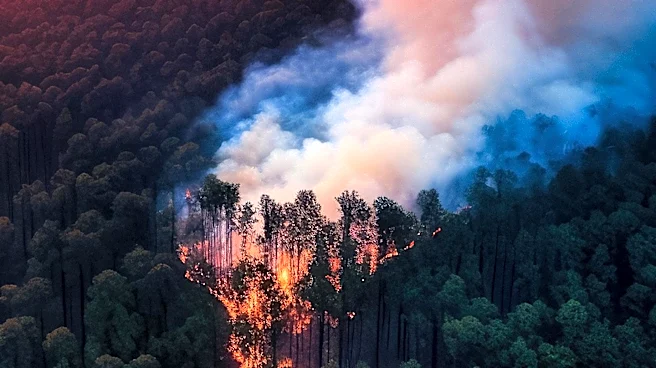
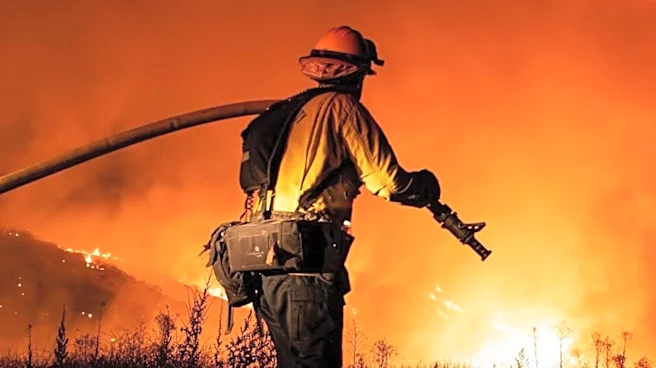
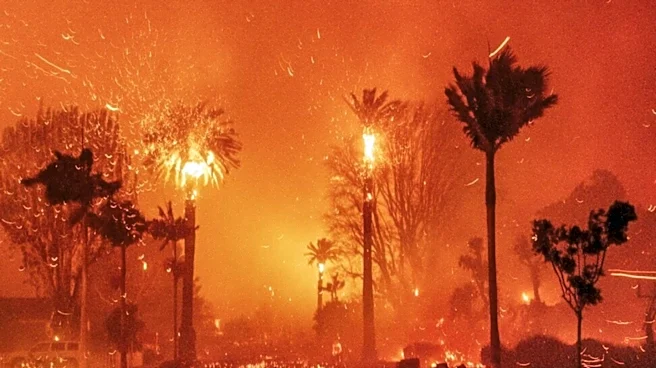
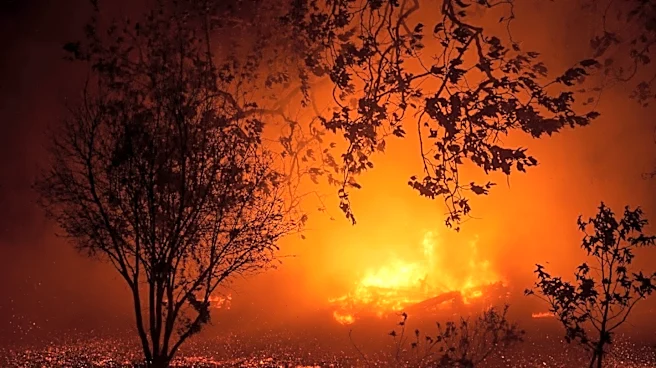
Sarah McLachlan, the acclaimed Canadian singer-songwriter, performed at the Acrisure Amphitheater in Grand Rapids despite challenging weather conditions caused by smoke from Canadian wildfires. The concert, which took place on a night with previously
unhealthy air quality readings, featured a 16-song set that included both hits and lesser-known tracks. McLachlan addressed the audience, expressing her happiness to perform despite the circumstances and her concern over the wildfires affecting both Canada and the U.S. The performance was part of her tour promoting her latest album, 'Better Broken,' her first in 11 years. The concert also featured an opening act by Grammy Award-winning artist Allison Russell, who delivered a powerful performance with her all-female quartet.
Why It's Important?
The concert highlights the resilience of artists and the entertainment industry in the face of environmental challenges. McLachlan's decision to perform despite the smoky conditions underscores the commitment to live music and its cultural significance. The event also draws attention to the ongoing impact of Canadian wildfires on air quality in the U.S., affecting public health and outdoor events. This situation emphasizes the interconnectedness of environmental issues across borders and the need for collaborative efforts to address climate-related challenges. The concert also serves as a reminder of the role of music as a form of catharsis and connection, offering audiences a sense of normalcy and enjoyment amid environmental disruptions.
What's Next?
As the tour continues, McLachlan and her team may need to monitor air quality and weather conditions closely to ensure the safety of audiences and performers. The ongoing wildfires in Canada could lead to further disruptions in outdoor events across North America. Concert organizers and artists might consider implementing contingency plans, such as rescheduling or relocating performances, to adapt to changing environmental conditions. Additionally, the situation may prompt discussions within the music industry about sustainable touring practices and the environmental impact of large-scale events.