





What's Happening?
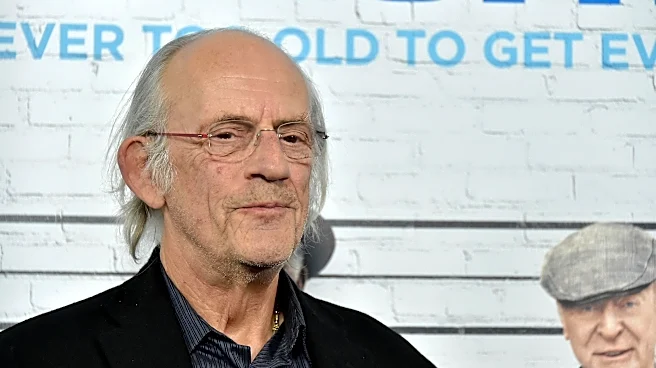
Veteran actor Christopher Lloyd, at 88 years old, has released his memoirs titled 'In My Own Time,' where he shares insights from his five-decade career. Among the many anecdotes, Lloyd reveals a lingering regret concerning a stunt sequence in 'Back to the Future
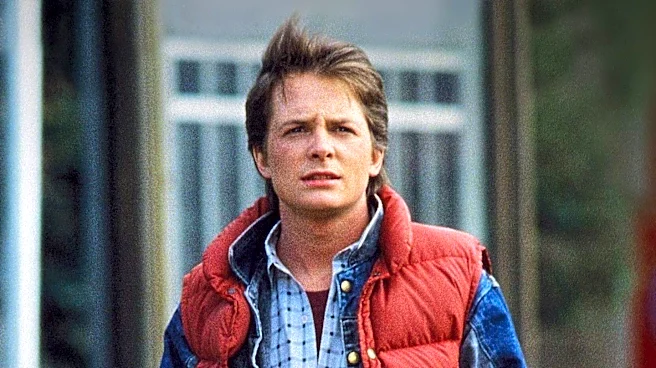
Part III,' released in 1990. During a scene where his character, Doc Brown, rides alongside a moving train to board it, Lloyd was instructed to approach the locomotive closely before a stunt double took over for the more dangerous part of the maneuver. Despite strict prohibitions from the production team against attempting to grab the train's handle or jump onto the wagon himself, Lloyd found himself in a position where the handle was within reach. He considered performing the stunt himself, feeling capable at the time, but ultimately adhered to the safety protocols. This decision, while preventing potential injury and disruption to filming, has left him with a persistent feeling of what-if, which he details in his book.
Why It's Important?
This revelation from Christopher Lloyd offers a unique glimpse into the pressures and impulses actors face on set, particularly during physically demanding scenes. It highlights the constant tension between an actor's desire for authenticity and personal accomplishment versus the critical need for safety and adherence to professional stunt coordination. For the film industry, it underscores the importance of clear communication and strict safety protocols to prevent actors from taking unnecessary risks, even when they feel confident in their abilities. For fans of the 'Back to the Future' trilogy, it provides a new layer of understanding and appreciation for the behind-the-scenes challenges and the dedication of its stars. Lloyd's candidness also contributes to the broader conversation about the physical and psychological demands placed on performers in Hollywood.
What's Next?
The release of Christopher Lloyd's memoirs, 'In My Own Time,' is expected to generate renewed interest in his extensive career and the iconic roles he has portrayed. Fans and film enthusiasts will likely delve into the book for more behind-the-scenes stories and personal reflections from the actor. This particular anecdote about 'Back to the Future Part III' may spark discussions among film historians and stunt coordinators about the evolution of safety practices in filmmaking and the psychological aspects of performing stunts. It could also lead to interviews and retrospectives where Lloyd further elaborates on this and other experiences, offering deeper insights into his craft and the golden age of Hollywood filmmaking. The book's publication in October 2026 will serve as a significant event for his admirers.
Beyond the Headlines
Lloyd's confession about his stunt regret touches upon deeper themes of professional boundaries, personal ambition, and the allure of risk-taking in high-stakes environments. It raises questions about the psychological impact of near-miss opportunities and the long-term memory of such moments. Ethically, it reinforces the responsibility of film productions to protect their cast and crew from self-imposed dangers, even when actors feel compelled to push limits. Culturally, 'Back to the Future Part III' remains a beloved film, and this story adds to its lore, humanizing the larger-than-life characters and the actors who brought them to life. It also subtly highlights the often-unseen mental battles actors face, where the line between character immersion and personal safety can become blurred, leaving lasting impressions decades later.