





What's Happening?
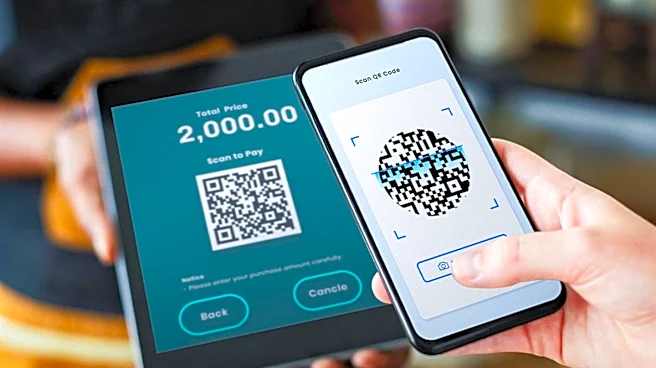
Retailers are increasingly implementing advanced payment solutions to enhance the checkout experience and reduce friction for customers. These solutions include integrated Point-of-Sale (POS) payment processing, which unifies payment terminals and retail
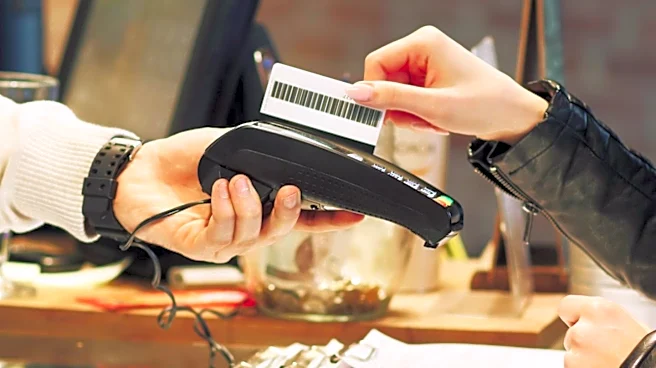
management software, eliminating manual data entry and reducing errors. Contactless and tap-to-pay acceptance, utilizing Near Field Communication (NFC) for card, phone, and wearable transactions, has become a baseline expectation for many consumers. Additionally, stored payment methods and customer account profiles allow returning customers to complete transactions with less manual input, streamlining repeat visits. Mobile POS systems are also being deployed to process payments anywhere on the sales floor, aiming to reduce queue lengths and perceived wait times in high-traffic environments. These innovations are designed to address operational costs associated with slow throughput, staff intervention, and customer frustration at the point of sale, according to Elevated Magazines.
Why It's Important?
The adoption of these advanced payment solutions is crucial for U.S. retailers to remain competitive and meet evolving consumer expectations. Checkout friction, characterized by slow transactions, errors, and complex processes, directly impacts customer satisfaction and operational efficiency. By integrating POS systems, retailers can significantly reduce error rates and streamline back-office reconciliation, leading to cost savings and improved accuracy. The widespread acceptance of contactless payments caters to a growing segment of consumers who prefer faster, lower-touch methods, thereby preventing customer abandonment. Stored payment methods foster customer loyalty and provide valuable data for inventory management and targeted promotions. Ultimately, these technological advancements are vital for retailers to optimize their operations, enhance customer experience, and drive revenue in a rapidly changing retail landscape.
What's Next?
The future of retail payments will likely see continued innovation aimed at making transactions even more seamless and invisible. The trend towards 'agentic commerce,' where AI agents are authorized to make purchases on behalf of consumers, is emerging, though consumer trust remains a significant hurdle. Retailers will need to carefully evaluate new technologies, focusing on reliability and integration with existing systems rather than just novel features. The emphasis will be on building robust payment infrastructure that can handle varying transaction volumes and staff skill levels while providing a consistent, low-effort experience for customers. As payment technologies evolve, retailers will also need to prioritize security and compliance with standards like PCI DSS, especially when handling stored payment data. The ongoing challenge will be to balance technological advancement with consumer readiness and trust in autonomous payment systems.
Beyond the Headlines
Beyond the immediate benefits of faster checkouts, the shift towards integrated and frictionless payment systems has deeper implications for consumer behavior and data privacy. The increasing reliance on stored payment methods and customer profiles creates a rich dataset that retailers can leverage for personalized marketing and inventory optimization. However, this also raises concerns about data security and the ethical use of consumer information. The rise of AI agents in commerce, while promising efficiency, introduces a 'trust paradox' where the infrastructure is advancing faster than consumer comfort with autonomous purchasing decisions. This necessitates a focus on building strong governance and permissioning frameworks around AI-driven payments. The long-term impact could redefine the relationship between consumers and retailers, moving towards a more automated and data-driven shopping experience, where the 'decision to buy' might increasingly be delegated to intelligent systems, prompting new questions about consumer autonomy and accountability.