




What's Happening?
A new initiative called 'Party Like It's 1996' encourages people to rediscover the social habits of the 1990s, focusing on spontaneous and serendipitous interactions. The challenge, organized by Slate, aims to bring back the low-tech, low-stakes socializing
of the past, contrasting with today's digitally-driven social plans. Participants are encouraged to meet friends at cafes or bars without prior arrangements, engage in conversations with strangers, and avoid using phones to solve debates or check social media. The initiative highlights the differences between past and present social dynamics, emphasizing the value of unexpected encounters and genuine connections.
Why It's Important?
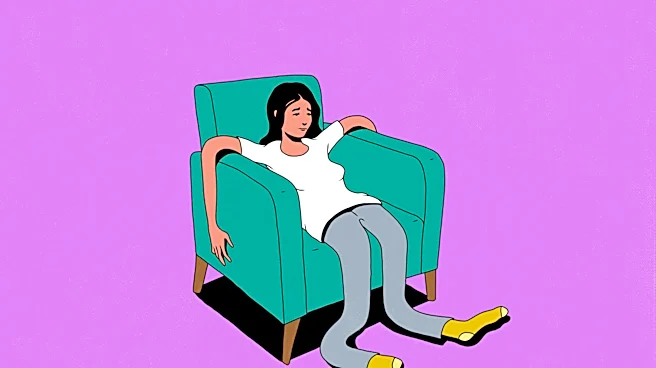
This initiative reflects a growing nostalgia for pre-digital social interactions, highlighting a cultural shift towards valuing in-person connections over virtual ones. It addresses the modern phenomenon of 'flaking,' where people frequently cancel plans due to the overwhelming number of social options available online. By promoting spontaneous socializing, the challenge aims to reduce social anxiety and decision fatigue, encouraging people to embrace uncertainty and serendipity. This could lead to a broader cultural movement towards more meaningful and less curated social experiences.
What's Next?
As the challenge progresses, participants may share their experiences, potentially influencing others to adopt similar practices. The initiative could inspire further discussions about the impact of technology on social behavior and the importance of balancing digital and real-world interactions. If successful, it might lead to more widespread efforts to revive traditional social habits and reduce reliance on digital communication.