



What's Happening?
Leopold Aschenbrenner, the founder of the AI-focused hedge fund Situational Awareness, is reportedly in discussions regarding a potential relaunch of the firm, informally termed 'Situational Awareness 2.0'. These discussions, as reported by the Financial
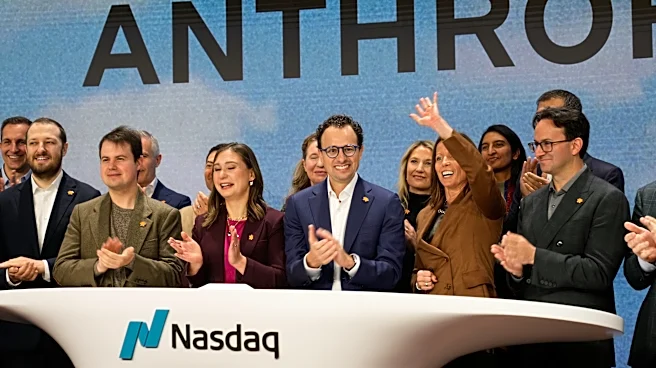
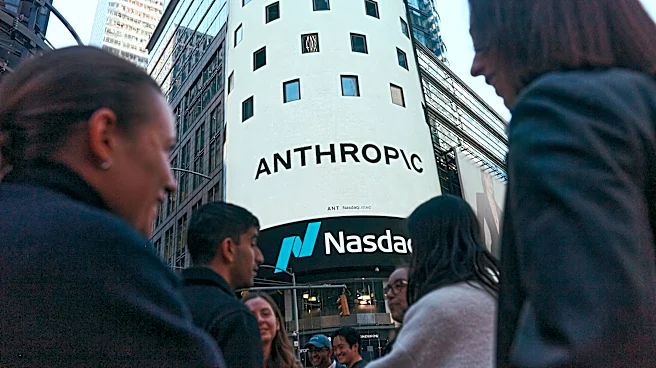
Times and relayed by Hedgeweek and the Australian Financial Review, include a possible return to leveraged trading and a new capital raise. This comes months after the fund experienced a liquidity crunch in July 2026, which led to the sale of most of its public stock portfolio to Ken Griffin’s Citadel. Despite the sale, the fund retained its private investments, notably an estimated $5 billion stake in Anthropic. Aschenbrenner had previously announced in July that the firm would cease using bank financing to amplify its positions following significant losses on AI-related stocks. The fund has since resumed some public-equity trading, with a third-quarter 13F filing showing equity positions in SharonAI, CleanSpark, IREN, Bitdeer Technologies, and Fermi, as well as call options on Nebius, Sandisk, the Roundhill Memory ETF, and Bloom Energy as of September 30. The firm has also expanded its team to approximately 30 employees and is seeking a chief risk officer.
Why It's Important?
The potential relaunch of Situational Awareness, particularly with a return to leveraged trading and a new capital raise, signals a significant development in the AI investment landscape. Aschenbrenner's fund, known for its focus on the buildout required for advanced AI, could once again become a major player in shaping investment trends within the technology sector. The initial liquidity crisis and subsequent sale of public assets to Citadel highlighted the volatility and risks associated with highly leveraged investments in rapidly evolving sectors like AI. A successful relaunch could indicate renewed confidence in Aschenbrenner's investment thesis and the long-term prospects of AI-related companies. Conversely, any further instability could underscore the speculative nature of some AI investments and potentially influence broader market sentiment towards emerging technologies. The fund's continued holding of a substantial stake in Anthropic also emphasizes the perceived long-term value of key AI developers, even amidst market fluctuations.
What's Next?
The immediate next steps involve ongoing discussions with prime brokers and investors regarding the 'Situational Awareness 2.0' relaunch. These plans, including the return to leverage and a potential capital raise in 2027, have not yet been finalized. Aschenbrenner is reportedly exploring reopening borrowing relationships with Wall Street banks, including Jefferies, and has been working with specialist brokerage Clear Street. The firm's search for a chief risk officer suggests a move towards strengthening its internal controls and risk management framework, which could be a prerequisite for securing new capital and leveraging facilities. The market will likely watch for official announcements regarding these plans, as well as any further adjustments to the fund's investment strategy or portfolio. The performance of its current public equity holdings, particularly in the wake of October's AI-stock selloff, will also be a key indicator of the fund's trajectory.
Beyond the Headlines
The narrative surrounding Situational Awareness extends beyond mere financial performance, touching upon broader themes within the AI industry and investment community. Aschenbrenner's background as a former OpenAI researcher and his widely read essay 'Situational Awareness: The Decade Ahead' position him as a figure with significant influence on discussions about artificial general intelligence (AGI) and its implications. The fund's initial rapid growth and subsequent challenges reflect the intense speculation and high stakes involved in investing in technologies perceived to be on the cusp of transformative change. The discussions about a relaunch, particularly after a period of significant losses, could also spark debate about risk management practices in high-growth, high-volatility sectors. Furthermore, the fund's continued belief in Anthropic, despite market fluctuations, underscores the strategic importance placed on foundational AI models and the companies developing them, potentially influencing long-term capital allocation in the AI ecosystem.