



What's Happening?
As early fall arrives, pumpkin growers need to adjust their care routines in September to ensure full ripening on the vine and proper curing for storage. According to Homes & Gardens, key adjustments include reducing watering, stopping fertilization,
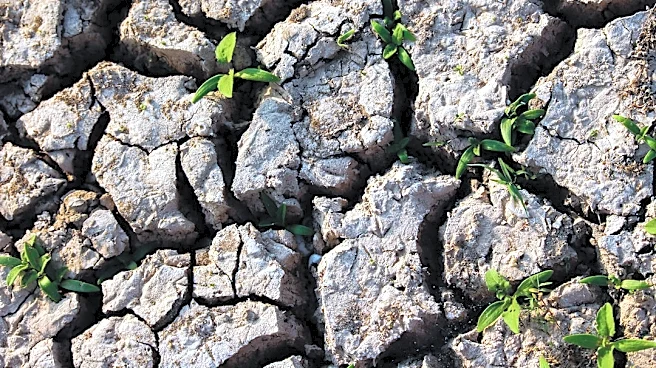
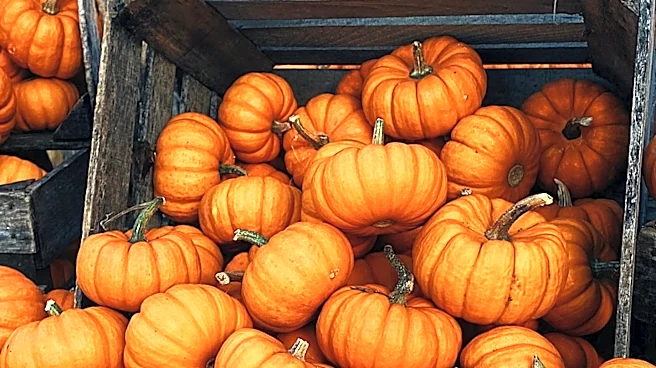
boosting sunlight exposure, trimming long stems, and lifting pumpkins off the soil. Once pumpkins reach full size and begin to change color, the plants require less water than during summer, with watering ceasing entirely 2-3 weeks before harvest. Continuing to fertilize into fall can prevent the fruits from developing the tough skin necessary for long-term storage, so feeding should stop four weeks before harvest. Maximizing direct sunlight by removing shading foliage helps speed up ripening. Trimming vines about three feet past ripening pumpkins and removing non-fruiting shoots diverts the plant's energy to the existing fruits. Additionally, lifting pumpkins off damp soil with a piece of slate, tile, brick, or wood prevents rotting and protects them from slugs.
Why It's Important?
These September care adjustments are critical for maximizing pumpkin yield quality and ensuring successful storage. Reducing water intake at the right time helps the pumpkin's skin toughen, which is essential for preventing splitting and extending shelf life. Overwatering can lead to soft skins and premature spoilage. Similarly, ceasing fertilization allows the fruits to mature and cure naturally, developing the robust rind needed for storage. Increased sunlight exposure directly contributes to the ripening process, enhancing color and flavor. Pruning vines focuses the plant's energy on existing fruits, promoting larger and healthier pumpkins. Lifting pumpkins off the ground is a simple yet effective measure against rot and pest damage, which can otherwise ruin a significant portion of the harvest. Collectively, these practices ensure that pumpkins are not only ready for seasonal use but also capable of being stored for longer periods, reducing waste and increasing their utility.
What's Next?
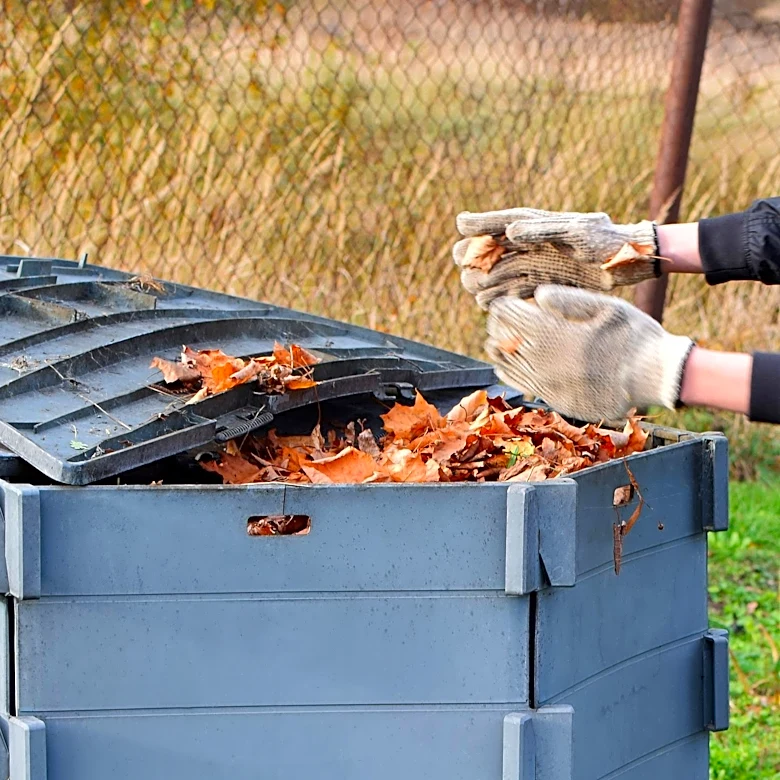
Following these September care steps, growers in colder climates (US hardiness zones six and below) should closely monitor weather forecasts for hard frosts, as pumpkins need to be harvested before such conditions. While light frost may be tolerated, hard frost can damage the fruits. Pumpkins showing signs of full ripeness—including full color, a hard rind, and a dry stem—can be harvested. It is recommended to leave a few inches of stem attached when picking. After harvest, pumpkins should be cured for several weeks in a dry and warm location, which can be outdoors or in a greenhouse, sunroom, or sunny windowsill if nights are cold. This curing process further hardens the skin and improves storage potential. For those growing pumpkins for consumption rather than just decoration, proper curing is vital for flavor and longevity. Post-Halloween, discarded pumpkins can be composted or used as fertilizer, with seeds removed to prevent unwanted growth.
Beyond the Headlines
The detailed care instructions for pumpkins in September highlight the intricate relationship between horticultural practices and environmental conditions. This goes beyond basic gardening, demonstrating how precise timing and specific interventions can significantly impact agricultural outcomes. The emphasis on 'curing' pumpkins, for instance, reveals a traditional method of food preservation that is both practical and sustainable. Furthermore, the advice to consider the fate of pumpkins post-harvest, whether for composting or fertilization, reflects a growing awareness of circular economy principles in gardening, minimizing waste and enriching soil. This holistic approach to pumpkin cultivation not only ensures a successful harvest but also promotes ecological responsibility, encouraging gardeners to think about the entire life cycle of their crops and their broader environmental impact.