



What's Happening?
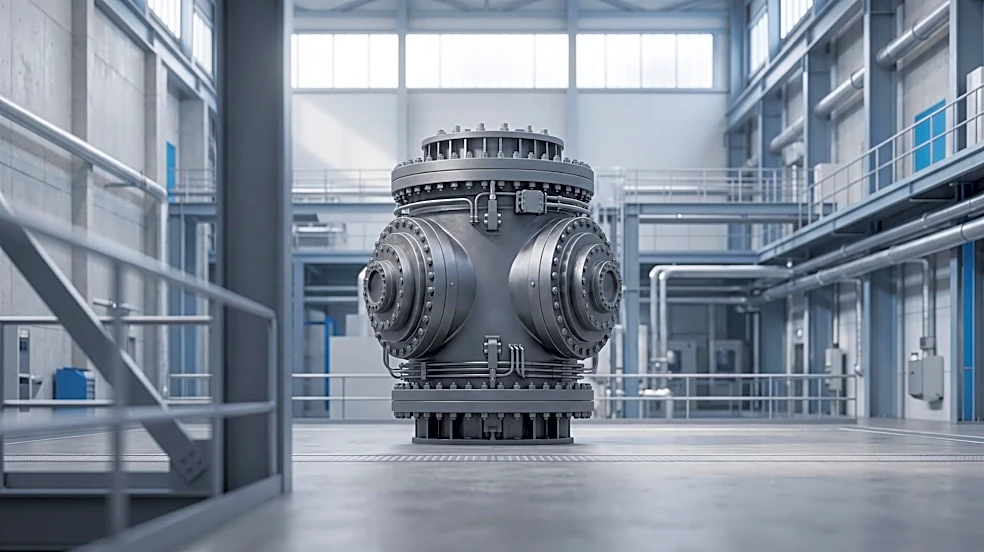
Several nuclear energy companies, including X-Energy, Oklo, BWX Technologies, NuScale Power, Centrus Energy, Nano Nuclear Energy, and Lightbridge, are positioning their technologies, particularly small modular reactors (SMRs), to meet the historically
unprecedented electricity demand growth driven by artificial intelligence (AI) and associated data center infrastructure. X-Energy, a designer of advanced nuclear reactor technology and manufacturer of advanced nuclear fuels, explicitly states that its scalable power generation technologies help satisfy this demand. These companies are involved in various aspects of the nuclear energy industry, from uranium mining and reactor design to nuclear fuel and related services. The increased interest in nuclear power is a response to the massive energy requirements of hyperscale data centers, which are projected to consume a significant portion of the U.S. electricity supply in the coming years.
Why It's Important?
The strategic pivot by nuclear energy companies to target the AI data center market is a significant development for both the energy sector and the future of AI infrastructure in the U.S. As AI data centers demand increasingly large and reliable power supplies, SMRs offer a potentially carbon-free and scalable solution that can be deployed closer to demand centers. This could alleviate pressure on existing grids, which are struggling to keep pace with the rapid growth of AI. The involvement of companies like X-Energy in developing advanced nuclear fuels and reactor designs suggests a long-term commitment to making nuclear power a viable and attractive option for tech giants. This trend could accelerate the adoption of nuclear energy, contributing to U.S. clean energy goals and enhancing energy security. However, it also brings challenges related to regulatory approval, public perception, and the economics of deploying new nuclear technologies on a large scale.
What's Next?
The coming years will likely see increased collaboration between nuclear energy companies and tech giants as they seek to secure power for future AI data centers. This could involve more partnerships, power purchase agreements, and direct investments in nuclear projects. The development and deployment of SMRs will be a key area to watch, as their modular nature and smaller footprint could make them more adaptable for data center needs. Regulatory bodies will play a crucial role in streamlining the approval process for these advanced nuclear technologies while ensuring safety and environmental standards are met. Public acceptance and understanding of nuclear power's role in supporting AI will also be critical for its widespread adoption. The success of these initiatives could significantly influence the U.S. energy mix and its ability to sustain the rapid growth of the AI industry.
Beyond the Headlines
The emerging synergy between nuclear energy and AI data centers represents a profound shift in how society powers its most advanced technologies. This development highlights a deeper recognition that the 'digital' economy has a very real, and very substantial, physical footprint. The embrace of nuclear power, particularly SMRs, for AI infrastructure could signal a broader re-evaluation of nuclear energy's role in a carbon-constrained future, moving beyond its traditional utility-scale applications. This raises ethical and policy questions about the long-term management of nuclear waste, the security of nuclear facilities, and the equitable distribution of energy resources. Furthermore, the concentration of power generation for AI in specific locations could create new geopolitical and economic dynamics, as access to reliable and clean energy becomes a strategic asset for technological leadership. The integration of these two powerful forces—AI and nuclear energy—will undoubtedly shape the future of U.S. industry, environment, and national security.