


What's Happening?
An old-school decorating trend involving formal rooms like parlors, sitting rooms, and dining rooms is being criticized for making homes feel staged and lacking personality. These spaces, often found in older or larger houses, were historically designed
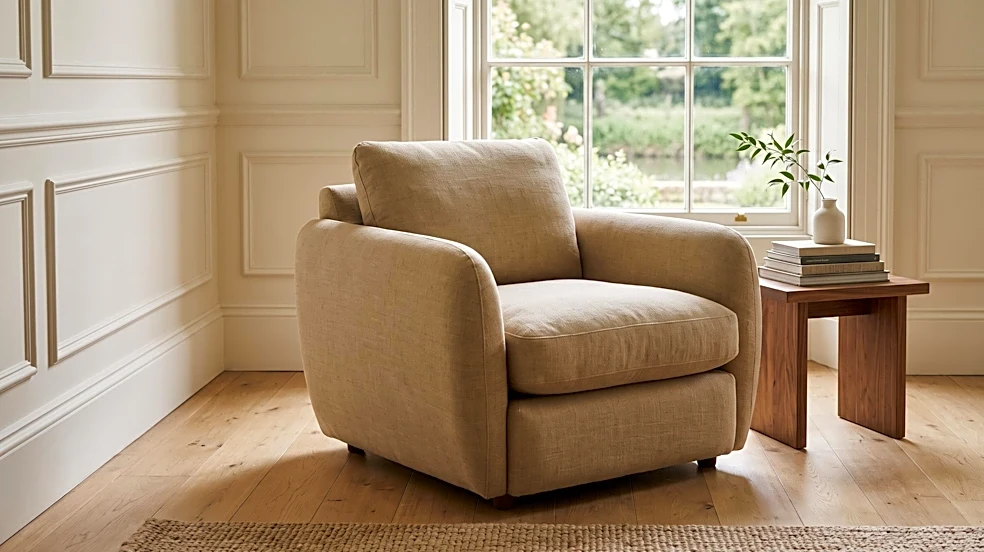
for formal events and were outfitted with luxurious materials and antique pieces, creating a pristine showroom aesthetic. The decor typically includes items such as grand pianos, stunning mirrors, and statement chandeliers. This style, while elegant, results in rooms that feel strategic, stiff, and unoccupied, making them unwelcoming. The trend dates back to the 20th century when these extra rooms were used to entertain guests and, after World War I, sometimes served as wake or grieving rooms. These formal areas are usually located at the front of the home, similar to many modern formal dining rooms, and are characterized by their restricted character and lack of personal effects.
Why It's Important?
This critique of formal room decor highlights a broader shift in contemporary home design philosophy, moving away from purely aesthetic, unused spaces towards functional and personalized environments. The emphasis on creating 'staged' rooms that lack personal touches can negatively impact a home's perceived warmth and livability, potentially affecting homeowner satisfaction and the overall value proposition of a property. In a society increasingly valuing comfort and utility, homes with unused formal spaces might be seen as inefficient or outdated. This trend encourages homeowners to reconsider how they utilize their living areas, promoting the conversion of these formal rooms into more practical spaces like second living rooms, playrooms, home offices, or hobby rooms. This shift reflects a desire for homes to be extensions of their inhabitants' lifestyles rather than mere showcases, influencing interior design trends and consumer preferences in the housing market.
What's Next?
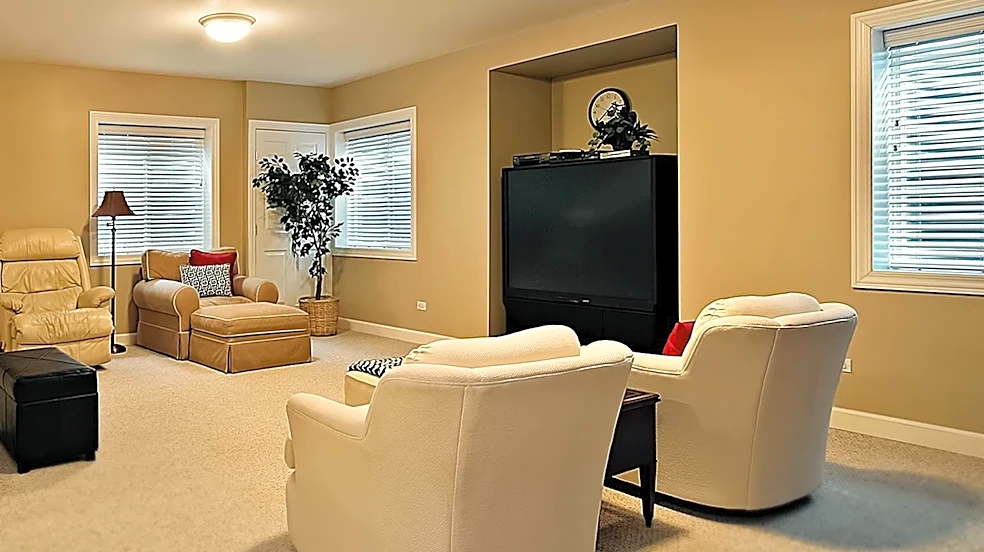
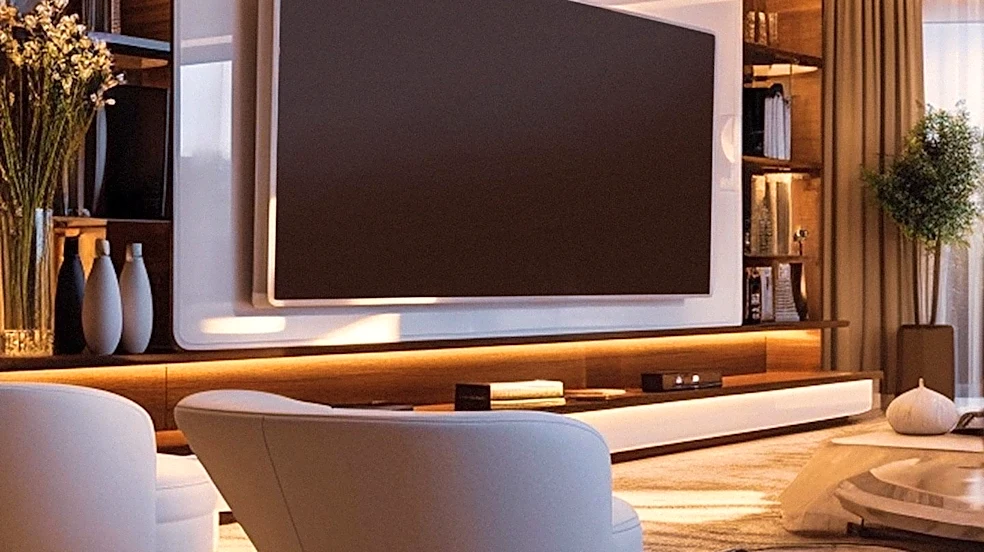
Homeowners with formal rooms are encouraged to transform these spaces into functional areas that align with their current needs and aesthetic preferences. This could involve converting them into a second living space, a playroom for children, an organized home office for those working remotely, a home theater, or a hobby room. The key is to decorate these transformed spaces in a way that matches the home's overall aesthetic, incorporating elements like plants, pops of color, and eye-catching furniture to make them feel more inviting and personal. Depending on the chosen conversion, some projects may require additional remodeling work, potentially necessitating the assistance of professionals for electrical or structural changes. This movement towards functional and personalized spaces suggests a continued evolution in home design, where utility and comfort take precedence over traditional formality.
Beyond the Headlines
The discussion around formal rooms touches upon deeper cultural and societal shifts regarding the concept of 'home.' Historically, formal rooms symbolized social status and were integral to entertaining in a specific manner. However, modern living often prioritizes flexibility, personal expression, and the integration of work and leisure within the home environment. The critique of these 'staged' rooms reflects a rejection of superficiality in favor of authenticity and utility. This trend also highlights the psychological impact of living spaces; rooms that feel cold and unwelcoming can detract from a sense of comfort and belonging. By advocating for the conversion of these spaces, the conversation promotes a more mindful approach to interior design, encouraging homeowners to create environments that genuinely support their well-being and daily activities, fostering a deeper connection between individuals and their living spaces.