




What's Happening?
Wellness travel is evolving beyond traditional luxury resorts, emphasizing a deeper connection with the natural landscape and the incorporation of local traditions and rituals. This new approach prioritizes a strong sense of place, where the architecture,
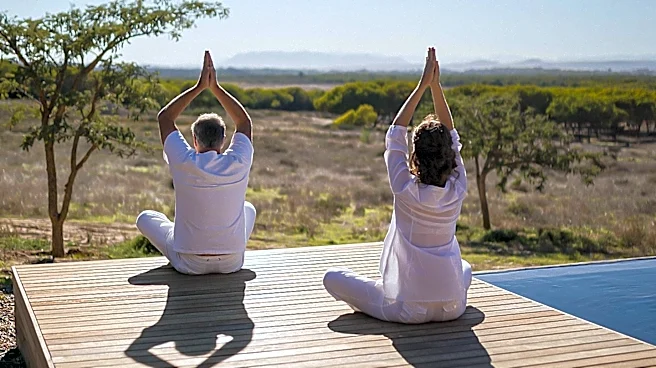
environment, food culture, and local customs become integral parts of the wellness experience. Destinations across Europe, such as Finland, Italy, and Switzerland, are highlighted for offering unique wellness escapes that cannot be easily replicated elsewhere. For instance, Finnish saunas, Alpine outdoor baths, and Italian thermal springs provide distinct experiences rooted in their respective regions. The trend suggests a move away from generic spa treatments towards more authentic and immersive encounters that allow guests to slow down and reconnect with themselves and their surroundings. This shift is particularly appealing for those seeking a quieter, more reflective holiday experience, especially during the winter months.
Why It's Important?
This shift in wellness travel signifies a broader change in consumer preferences, moving towards more meaningful and authentic experiences. For the U.S. travel and hospitality industry, this trend suggests a need to re-evaluate existing wellness offerings and consider integrating local culture, natural environments, and personalized programs. Businesses that can adapt to this demand for 'slow travel' and immersive wellness experiences stand to gain a competitive advantage. It also highlights an opportunity for regions within the U.S. with unique natural landscapes or cultural traditions to develop specialized wellness tourism. Conversely, traditional luxury resorts that do not evolve their offerings to include these elements might see a decline in appeal among a growing segment of travelers seeking more profound and localized wellness journeys. The emphasis on 'healthspan' over 'lifespan' also indicates a growing market for services that provide actionable health data and personalized wellness plans that extend beyond the duration of a stay.
What's Next?
The hospitality sector is likely to see an increased focus on developing bespoke wellness programs that are deeply integrated with the local environment and culture. This could involve partnerships with local communities, environmental organizations, and health professionals to create unique offerings. Hotels and resorts may invest in architectural designs that blend seamlessly with nature and incorporate sustainable practices. There will also be a continued emphasis on personalized fitness and nutrition programs that guests can maintain after their trip, potentially through digital platforms or follow-up services. The trend suggests that future wellness offerings will prioritize experiences that foster long-term well-being and a deeper connection to place, moving away from superficial luxury towards substantive and memorable engagements.
Beyond the Headlines
The evolution of wellness travel reflects a deeper societal yearning for authenticity, mindfulness, and a break from the fast-paced demands of modern life. It touches upon ethical considerations regarding sustainable tourism and the respectful integration of local cultures. As travelers seek more profound experiences, there's a potential for increased economic benefits for local communities that can offer genuine cultural and natural immersion. However, it also raises questions about the potential for commercialization to dilute authentic traditions or over-tourism to harm fragile ecosystems. The focus on 'healthspan' also points to a growing awareness of holistic health, where physical, mental, and environmental well-being are interconnected, potentially influencing public health initiatives and personal lifestyle choices beyond travel.