





What's Happening?
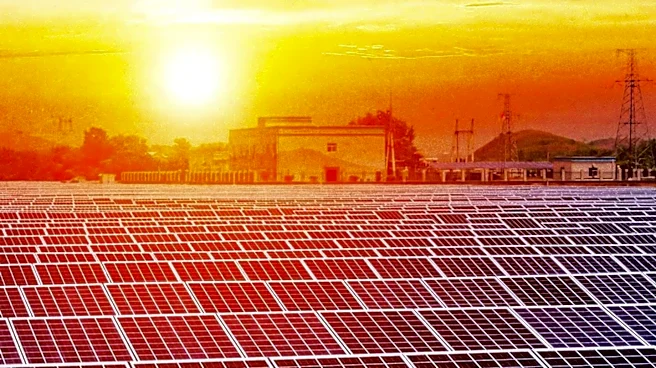
Florida provides various sales and use tax exemptions, tax credits, and incentives aimed at promoting business development, job creation, and the adoption of solar energy systems. For solar energy systems, both individuals and companies can benefit from
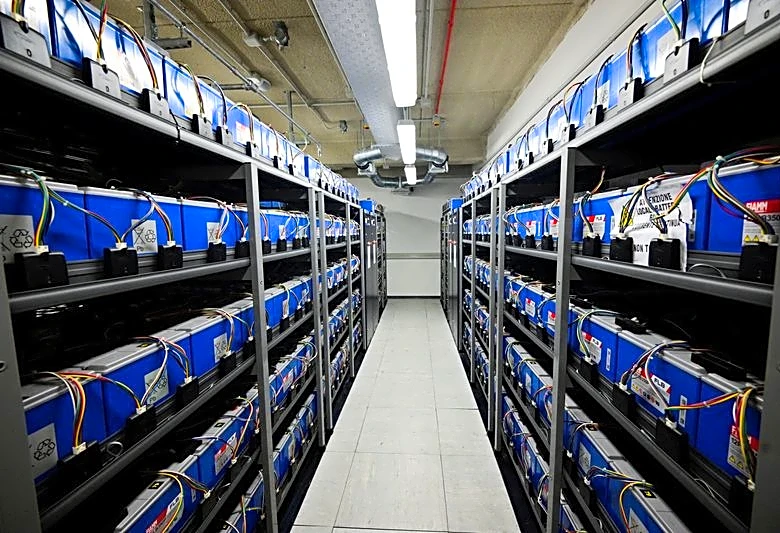
an exemption on eligible equipment and components certified by the Florida Solar Energy Center. This includes items like solar collectors, pumps, controls, photovoltaic power conditioning equipment, energy storage units, and integral accessories. However, this exemption does not apply if the cost of solar equipment cannot be separated from the total product cost, such as in novelty items. Beyond solar, Florida also offers tax credits related to job creation, including the Rural Job Tax Credit and the Urban High-Crime Area Job Tax Credit, which incentivize businesses to create new employment opportunities in designated areas. These job tax credits can range from $1,000 to $2,000 per qualified employee, with businesses potentially receiving up to $500,000 in credits annually for job creation efforts.
Why It's Important?
These Florida incentives are crucial for stimulating economic growth and fostering environmental sustainability within the state. The solar energy system exemption directly reduces the financial burden for those looking to invest in renewable energy, making solar power more accessible and encouraging its widespread adoption. This supports Florida's clean energy goals and contributes to a reduction in carbon emissions. The job creation tax credits are vital for economic development, particularly in rural and high-crime urban areas, by incentivizing businesses to expand and hire locally. This can lead to increased employment, improved economic conditions in underserved communities, and a more robust state economy. By offering a combination of energy and employment incentives, Florida aims to create a favorable environment for both green technology and workforce development, positioning itself as a leader in sustainable economic practices.
What's Next?
Businesses and individuals in Florida can continue to apply for these existing tax exemptions and credits by certifying to sellers that their purchases qualify or by filing the appropriate applications with the Florida Department of Economic Opportunity and the Florida Department of Revenue. The ongoing availability of these incentives suggests a continued state commitment to renewable energy and job growth. Companies considering expansion or new operations in Florida, particularly those in the manufacturing sector or those utilizing solar technology, will likely factor these financial benefits into their investment decisions. The state's consistent offering of such programs indicates a stable policy environment for businesses focused on sustainability and local employment, potentially attracting further investment and innovation in these sectors.
Beyond the Headlines
Florida's comprehensive approach to incentives, combining solar energy exemptions with job creation tax credits, reflects a strategic effort to align economic development with environmental objectives. This integrated policy framework acknowledges that sustainable growth involves both technological advancement and social equity. By targeting job creation in specific geographic areas, the state aims to address regional economic disparities and enhance community resilience. The emphasis on certified solar components also promotes quality and reliability within the solar industry, benefiting consumers and ensuring the long-term effectiveness of installed systems. This dual focus on green technology and workforce development positions Florida as a state actively shaping its future economy to be both environmentally responsible and socially inclusive, potentially influencing other states to adopt similar holistic incentive programs.