


What's Happening?
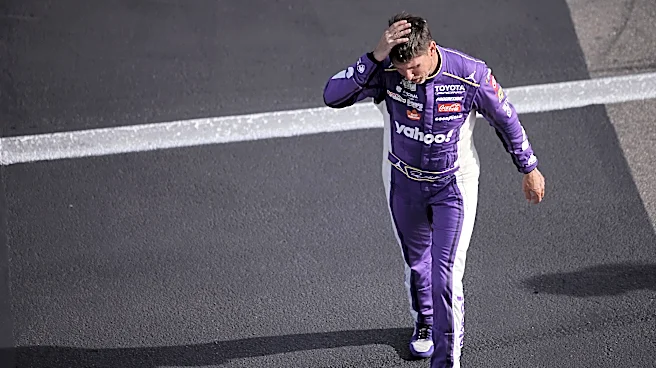
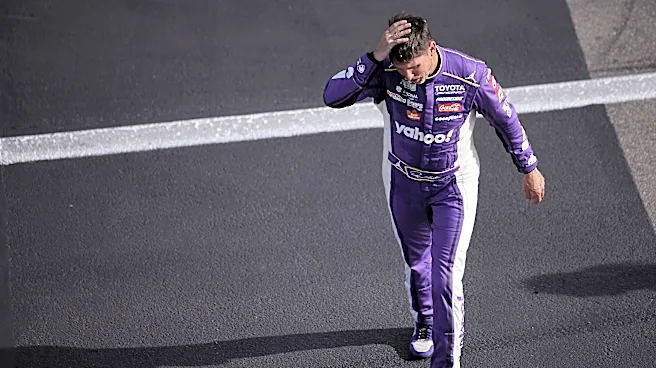
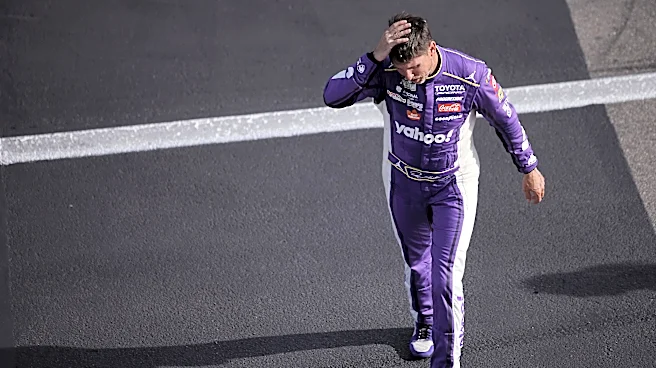
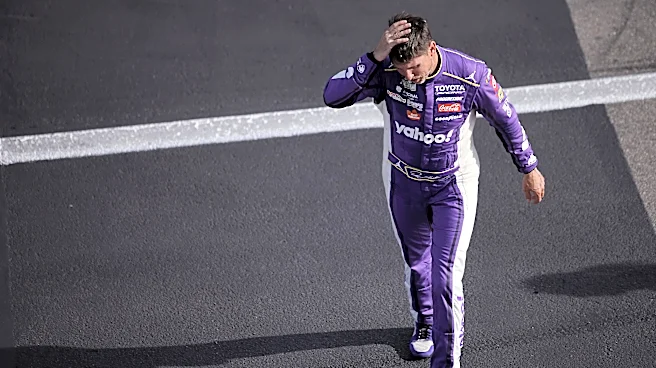
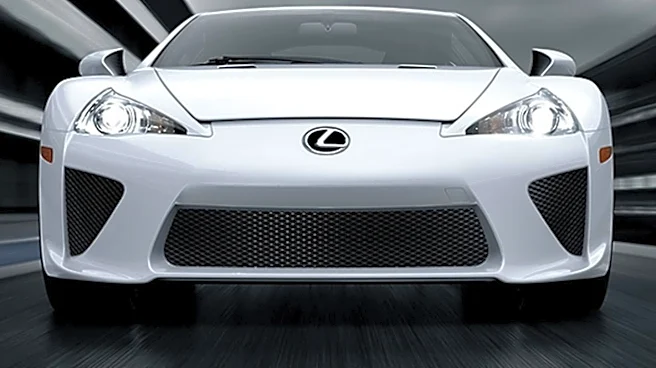
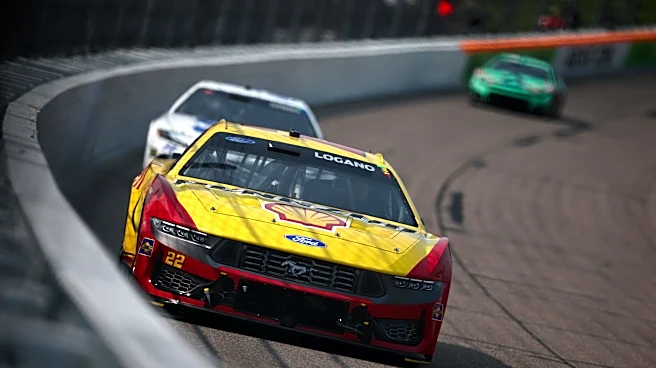
NASCAR driver Denny Hamlin recently shared an unusual high-speed experience involving a police officer and his Lexus LFA supercar. Hamlin recounted being pulled over by an officer who, instead of issuing a ticket, offered to help him measure the car's
top speed. According to Hamlin, the officer temporarily blocked off a section of interstate, allowing him to accelerate the Lexus LFA to 168 mph while the officer clocked his speed. This incident occurred during Hamlin's ownership of the Lexus LFA, a rare Japanese supercar with a manufacturer-claimed maximum speed of 202 mph. The story highlights a stark contrast to a separate incident involving Hamlin's former Joe Gibbs Racing teammate, Kyle Busch, who was cited for speeding at 128 mph in a 45 mph zone while driving a similar Lexus LFA in 2011. Both drivers had been loaned the high-performance vehicles by Toyota, which supports Joe Gibbs Racing.
Why It's Important?
This anecdote offers a unique glimpse into the off-track experiences of a prominent NASCAR driver and raises questions about law enforcement discretion and public safety. While presented as an unusual and perhaps humorous event, the story touches on the inherent dangers of high-speed driving on public roads, even under controlled circumstances. For NASCAR fans, it provides an entertaining, albeit unconventional, 'behind-the-scenes' moment from a well-known figure in the sport. The contrast with Kyle Busch's well-publicized speeding incident underscores the varying outcomes of encounters with law enforcement and the public perception of professional drivers' conduct outside the racetrack. It also subtly highlights the allure and performance capabilities of high-end sports cars, which can tempt even experienced drivers to push limits.
What's Next?
While this specific incident is a past event, it contributes to the ongoing narrative surrounding NASCAR drivers' public image and their interactions with speed outside of professional racing. Such stories can spark discussions among fans and the public about responsible driving and the role models that athletes represent. There are no foreseeable direct consequences from this past event for Hamlin, but it serves as a memorable anecdote that may be revisited in interviews or discussions about his career. The story also implicitly reinforces the need for clear guidelines regarding high-speed vehicle testing, ensuring it occurs in controlled, safe environments rather than public roadways.
Beyond the Headlines
The story delves into the ethical considerations surrounding law enforcement's role and the potential for perceived preferential treatment. While the officer's actions were presented as an offer to 'help measure' the car's performance, it deviates significantly from standard traffic enforcement procedures. This raises questions about accountability and the consistent application of traffic laws. Furthermore, the narrative subtly explores the cultural fascination with speed and high-performance vehicles, particularly when associated with professional racers. It underscores the inherent tension between the thrill of speed and the imperative of public safety, a tension that often plays out in both the racing world and everyday life. The rarity and performance of the Lexus LFA itself add another layer, symbolizing automotive engineering pushed to its limits.