



What's Happening?
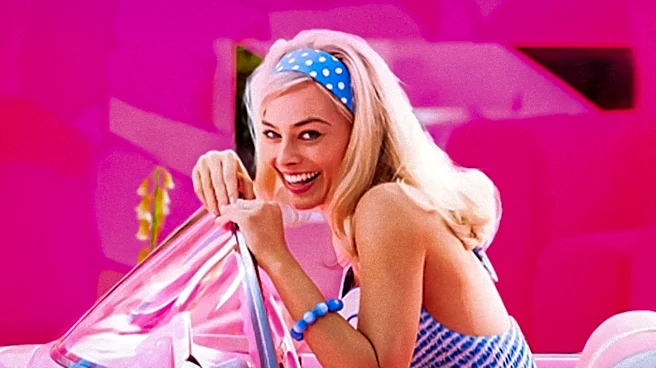
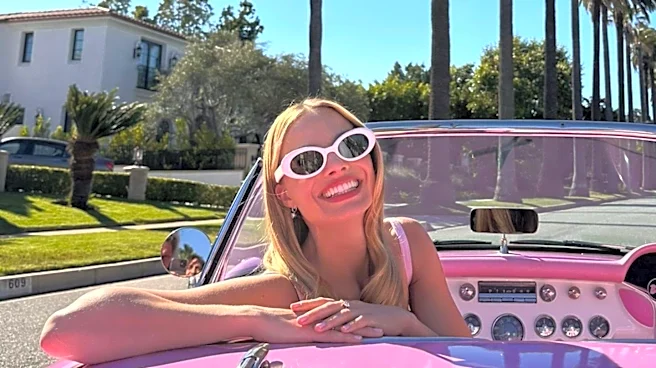
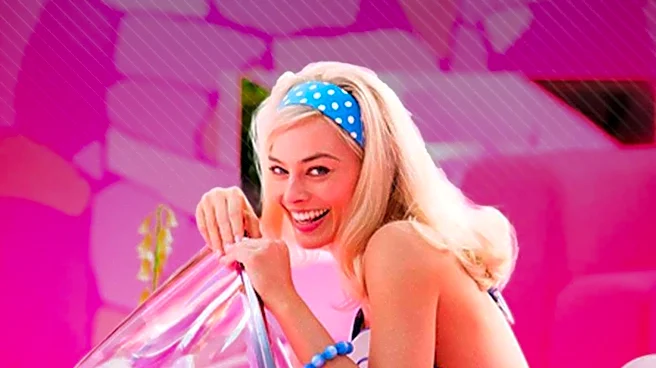
Warner Bros. is currently facing difficulties in negotiating a sequel to the successful 'Barbie' film due to salary demands from stars Margot Robbie and Ryan Gosling. According to reports, the studio is hesitant to meet the high salary requests, which
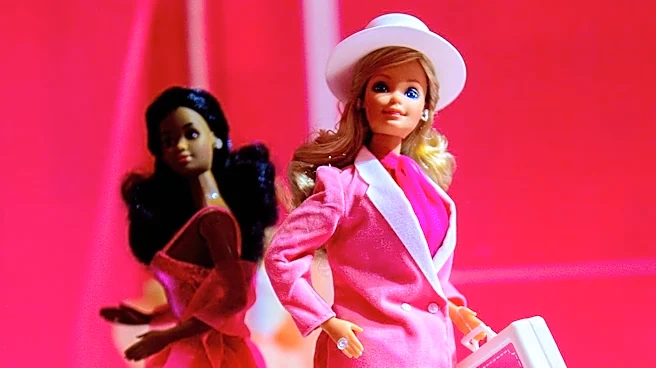
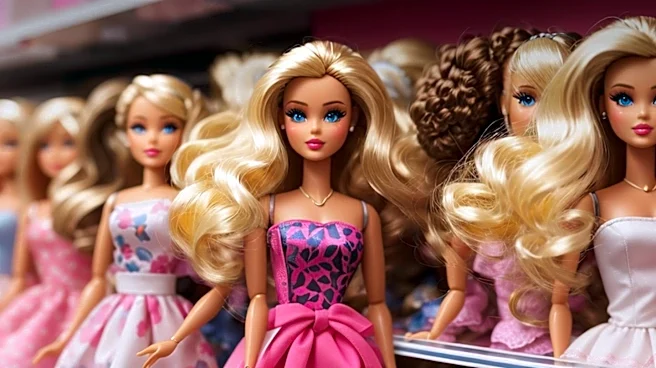
include a $20 million payday for Gosling and a share of the film's profits. The negotiations have been ongoing for several months without resolution. The rights to the Barbie franchise will revert to Mattel if a deal is not reached by December, adding pressure to the situation. The first 'Barbie' film was a major success, grossing nearly $1.5 billion worldwide and revitalizing movie theaters.
Why It's Important?
The outcome of these negotiations could significantly impact Warner Bros.'s future in the film industry, particularly in maintaining its relationship with high-profile talent and securing lucrative franchises. The 'Barbie' film's success has set high expectations for a sequel, and failing to produce one could result in a loss of potential revenue and market share. Additionally, the situation highlights the broader industry trend of escalating salary demands from top-tier actors, which could influence future contract negotiations across Hollywood. The potential reversion of rights to Mattel also underscores the importance of timely and strategic decision-making in franchise management.
What's Next?
If Warner Bros. and the involved parties cannot reach an agreement by the December deadline, the rights to the Barbie franchise will return to Mattel, potentially allowing another studio to produce a sequel. This could lead to a competitive bidding process for the rights, further complicating Warner Bros.'s position. The studio may need to reassess its negotiation strategies and consider alternative approaches to meet the demands of the talent involved. Additionally, the outcome of these negotiations could influence future projects and partnerships within the industry.