

What's Happening?
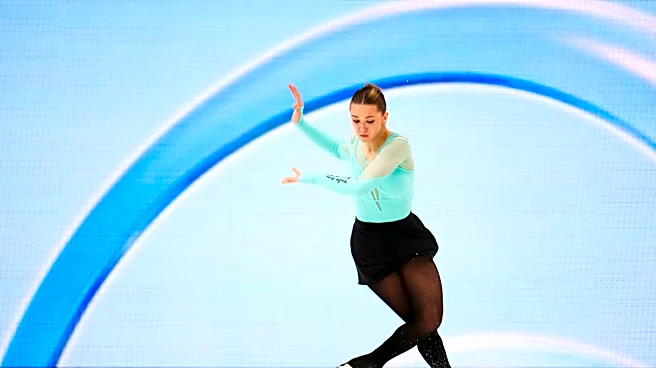
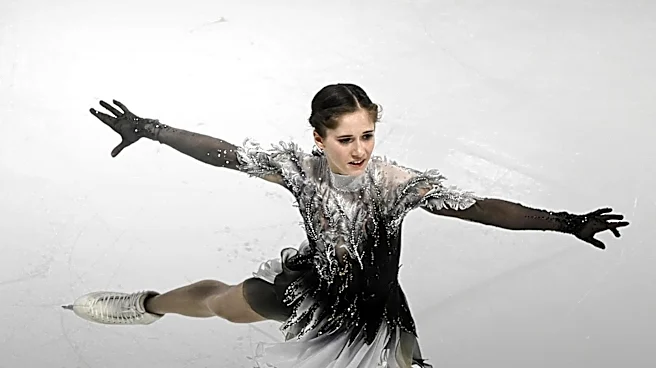
Russian figure skater Kamila Valieva has reportedly had her permission to compete internationally as a neutral athlete revoked. This development comes more than four years after disputes surrounding her positive doping test overshadowed the 2022 Beijing
Olympics. Valieva was initially granted neutral status under a new International Skating Union (ISU) rule for the current season, which presumes skaters from Russia and Belarus are eligible unless they meet disqualifying criteria. However, this status was subsequently withdrawn due to concerns about a potential breach of criteria related to supporting Russia’s war in Ukraine. The ISU rules specify that skaters may be refused neutral status if they are serving with military or security forces, have participated in military operations against Ukraine, or have actively and publicly supported the war since 2022. Mark Kondratiuk, another Russian men’s skater and Valieva's teammate from the 2022 Olympics, has also had his neutral status withdrawn. The ISU is expected to rule on appeals from both athletes by the middle of next week.
Why It's Important?
This revocation is significant for U.S. sports as it directly impacts the integrity and fairness of international figure skating competitions, particularly given the U.S. team's upgrade to gold in the 2022 Beijing Olympics team event following Valieva's disqualification. The ongoing scrutiny of Russian athletes' participation, especially in light of the conflict in Ukraine, underscores the broader geopolitical tensions influencing global sports. The ISU's decision to revoke neutral status based on criteria related to supporting the war sets a precedent for how international sports federations address political stances of athletes from sanctioned nations. For U.S. athletes, this ensures a more level playing field, free from the controversies that marred previous competitions. It also reinforces the global sports community's commitment to upholding ethical standards and distancing itself from political conflicts, which is crucial for maintaining public trust and viewership in major international events.
What's Next?
The ISU is scheduled to rule on the appeals filed by Kamila Valieva and Mark Kondratiuk by the middle of next week. Should the ISU uphold the revocation of their neutral status, both athletes will have the option to appeal the decision to the Court of Arbitration for Sport (CAS). This process could lead to further legal battles, potentially extending the period of uncertainty regarding their international competitive eligibility. The outcome of these appeals will be closely watched by the international sports community, as it will clarify the enforcement of the ISU's new rules concerning neutral athlete status and the criteria related to support for the conflict in Ukraine. Depending on the final decisions, it could either solidify the current restrictions on Russian and Belarusian athletes or introduce new complexities to their participation in future international events.
Beyond the Headlines
The situation surrounding Kamila Valieva extends beyond a simple doping violation, touching upon deeper ethical and political dimensions within international sports. The initial doping scandal, involving a then 15-year-old athlete, raised questions about the responsibility of coaches and national federations in protecting young athletes. The subsequent revocation of her neutral status, linked to potential support for the war in Ukraine, highlights the increasing politicization of sports and the challenges faced by international federations in balancing athletic participation with geopolitical realities. This case underscores the long-term shift towards greater accountability for athletes' public and private conduct, especially when it intersects with sensitive global issues. It also brings into focus the ongoing debate about whether individual athletes should be held responsible for the actions of their governments, and how such policies might impact the careers and mental well-being of those caught in the crossfire.