



What's Happening?
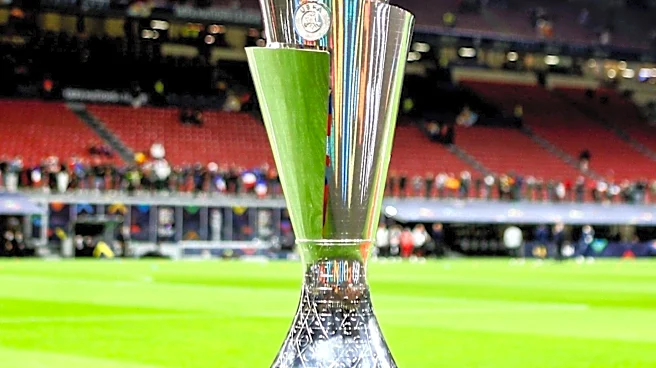
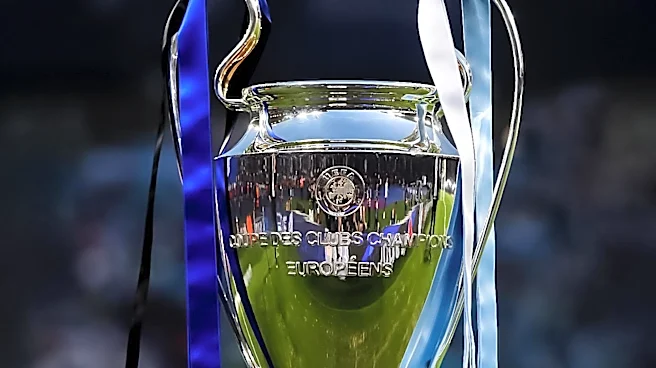
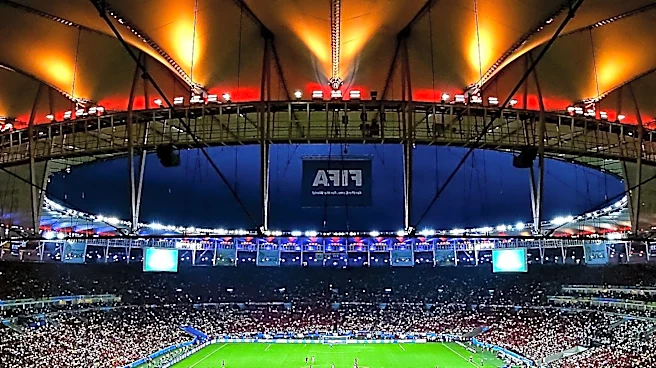
Telemundo, owned by NBCUniversal, has announced a significant acquisition of exclusive U.S. Spanish-language broadcast rights for all UEFA men's club competitions, including the Champions League. This three-year agreement will commence with the 2027-28
season. Currently, these rights are held by TelevisaUnivision, which sublicenses some games to DAZN, but this arrangement will end after the upcoming season. The new deal will see UEFA competitions broadcast across Telemundo, Universo, Peacock, and Telemundo’s sports-focused FAST channel. This move follows Telemundo's recent success with the World Cup, which set viewership records, and aligns with their strategy to emphasize Spanish-language soccer rights. The network has also secured media rights for Bundesliga, Premier League, Liga MX clubs, and U.S. national teams.
Why It's Important?
This deal is significant as it positions Telemundo as a major player in the U.S. sports broadcasting landscape, particularly for Spanish-speaking audiences. By securing these rights, Telemundo enhances its portfolio of soccer content, potentially increasing its viewership and advertising revenue. The alignment of Telemundo's deal with Paramount's English-language rights, which expire in 2029-30, could lead to a bundled offering of both language rights in future negotiations, increasing competition in the market. Additionally, the deal reflects the growing importance of Spanish-speaking audiences in the U.S., as evidenced by the 20% of Telemundo's World Cup viewers who primarily speak English but chose to watch in Spanish.
What's Next?
With the new rights deal set to begin in 2027-28, Telemundo will likely focus on building its audience and enhancing its sports broadcasting capabilities. The network may also explore opportunities to leverage its expanded soccer content to attract advertisers and sponsors. As the expiration of both Telemundo's and Paramount's deals approaches, UEFA may consider bundling English and Spanish-language rights, potentially reshaping the U.S. sports broadcasting market. This could lead to increased competition among broadcasters to secure these valuable rights, impacting how soccer is consumed by diverse audiences in the U.S.