








What's Happening?
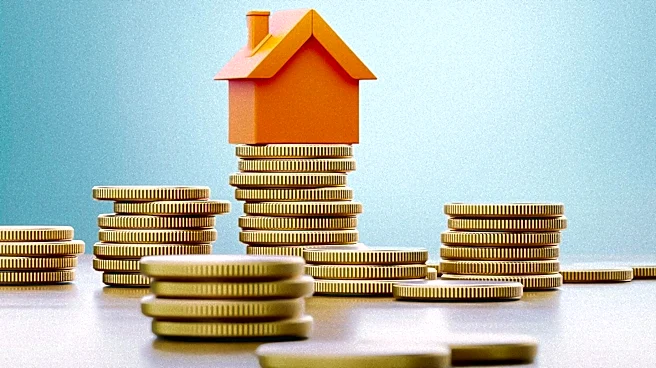
Realtor.com has updated its 2026 housing forecast, indicating that home price growth is expected to slow to 1.2%, which is below the original forecast of 2.2% and behind the pace of inflation. This adjustment suggests that home prices are effectively
declining, providing some relief to potential homebuyers concerned about inflation. The company also revised its existing-home sales forecast to 4.1 million units for 2026, slightly down from the previous estimate of 4.13 million but still representing a 1% increase from 2025. Danielle Hale, chief economist at Realtor.com, noted that the housing market is stabilizing as sellers adjust their expectations, price growth cools, and buyers gain more negotiating power. The forecast for the inventory of existing homes for sale was also revised, with an expected increase of 3.6% instead of the previously predicted 8.9%.
Why It's Important?
The revised forecast by Realtor.com highlights a significant shift in the housing market dynamics, where inflation is outpacing home price growth. This development is crucial for potential homebuyers as it may ease the financial burden associated with purchasing a home. The stabilization of the housing market could lead to more balanced negotiations between buyers and sellers, potentially increasing market activity. Additionally, the expected decline in rents by 1.2% in 2026 could provide further financial relief to consumers, assuming that supply keeps pace with demand. These changes could influence broader economic conditions, affecting consumer spending and housing-related industries.
What's Next?
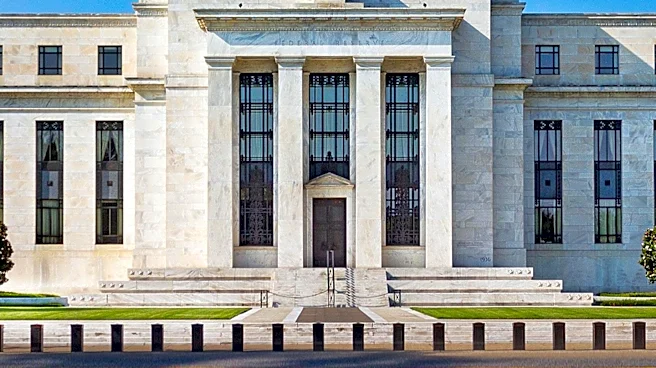
As the housing market continues to stabilize, Realtor.com anticipates that momentum will build in the second half of 2026, with more buyers and sellers finding agreeable terms. The market's response to potential Federal Reserve rate changes, influenced by geopolitical events such as the U.S. and Israel's actions against Iran, will be closely watched. The Fed's approach to managing inflation and interest rates will play a critical role in shaping the housing market's trajectory. Additionally, the construction industry's ability to meet rental demand will be pivotal in determining whether the expected decline in rents will persist.