







What's Happening?
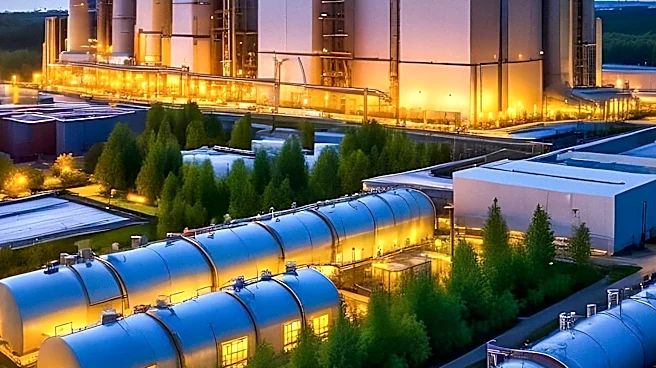
Equinor has reached an agreement to acquire an 87.71% interest in the Lackawanna Energy Centre, a 1,483 MW gas-fired combined-cycle power plant located in Pennsylvania. The transaction is valued at $940 million, with a potential price adjustment at closing.
This acquisition is a strategic move for Equinor to expand its integrated power business within selected markets and increase its presence in the PJM wholesale electricity market, which is the largest in the United States. Invenergy, the developer of the Lackawanna plant, will retain the remaining Class A and Class B shares and will continue to operate the facility. Both companies have expressed interest in exploring further collaboration opportunities. The Lackawanna Energy Centre is recognized as one of the PJM market's largest and most efficient gas-fired plants, benefiting from access to competitively priced natural gas and its proximity to Equinor's Appalachian Basin operations. Equinor's non-operated gas assets in the region currently produce over 1.7 billion cubic feet per day for the northeastern U.S. The investment structure is designed to provide upfront preferred cash flow and long-term generation visibility, supported by investor protection mechanisms. The interest is being acquired from funds managed by Global Infrastructure Partners (GIP), a part of BlackRock. The completion of this acquisition is contingent upon customary regulatory approvals.
Why It's Important?
This acquisition is significant for Equinor as it solidifies its strategy to build a robust integrated power business in key markets, particularly within the U.S. The PJM wholesale electricity market, which serves nearly 70 million consumers across 13 states, is experiencing rapid growth in electricity demand. This surge is driven by increasing electrification, the proliferation of data centers, and heightened industrial activity. By securing a substantial stake in a large and efficient gas-fired plant like Lackawanna, Equinor gains direct access to this expanding market and positions itself to capitalize on future demand. The plant's location near Equinor's existing Appalachian gas operations creates synergistic benefits, ensuring a reliable and cost-effective fuel supply. This move also provides Equinor with immediate cash flow and long-term value potential, reinforcing its financial stability and growth trajectory in the U.S. energy sector. For the broader U.S. energy landscape, this investment underscores the continued importance of natural gas as a power generation source, even amidst a growing push for renewable energy. It also highlights the strategic value of efficient, large-scale power plants in meeting the nation's evolving energy needs.
What's Next?
The immediate next step for this acquisition is to secure customary regulatory approvals. Once these approvals are obtained, the transaction will be finalized, and Equinor will officially assume its majority ownership of the Lackawanna Energy Centre. Following the completion of the acquisition, Equinor and Invenergy are expected to explore further collaboration opportunities, potentially leading to additional joint ventures or projects in the energy sector. Equinor will integrate the Lackawanna plant into its broader U.S. power portfolio, leveraging its existing gas assets in the Appalachian Basin to optimize operations and supply. The company will likely focus on maximizing the plant's efficiency and output to meet the growing electricity demand in the PJM market. This acquisition could also signal Equinor's intent to pursue similar investments in other strategic U.S. power markets, further expanding its footprint in the country's energy infrastructure. Stakeholders, including other energy companies, regulators, and consumers in the PJM region, will be observing how this new ownership structure impacts market dynamics and electricity supply reliability.
Beyond the Headlines
This acquisition by Equinor extends beyond a simple financial transaction, reflecting deeper trends in the U.S. energy market. It highlights the ongoing strategic importance of natural gas as a bridge fuel in the energy transition, particularly in regions with growing electricity demand driven by data centers and industrial expansion. While there is a significant push towards renewable energy, reliable baseload power from efficient gas plants remains crucial for grid stability. The collaboration between Equinor and Invenergy, with Invenergy retaining operational control, suggests a model where specialized expertise in plant operation is valued, even with a majority ownership change. This could indicate a trend towards partnerships that combine capital investment with operational excellence. Furthermore, the involvement of Global Infrastructure Partners (GIP), part of BlackRock, as the seller, underscores the role of large investment funds in shaping the energy landscape, actively managing and divesting assets to optimize portfolios. This transaction also implicitly touches upon the broader debate around energy security and the optimal mix of energy sources needed to power a modern economy while transitioning to lower-carbon alternatives.