
What's Happening?
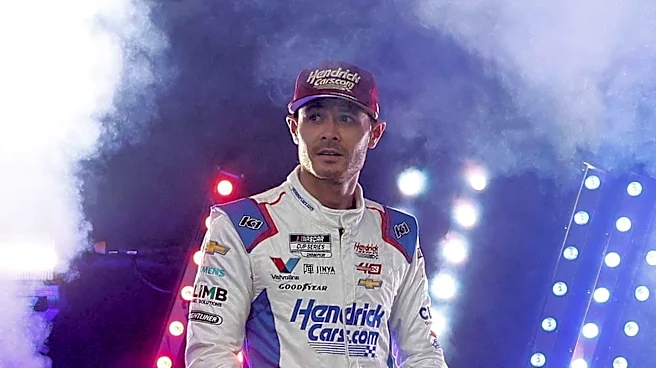
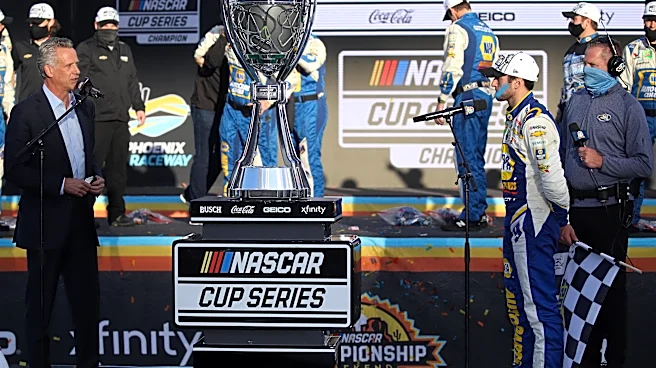
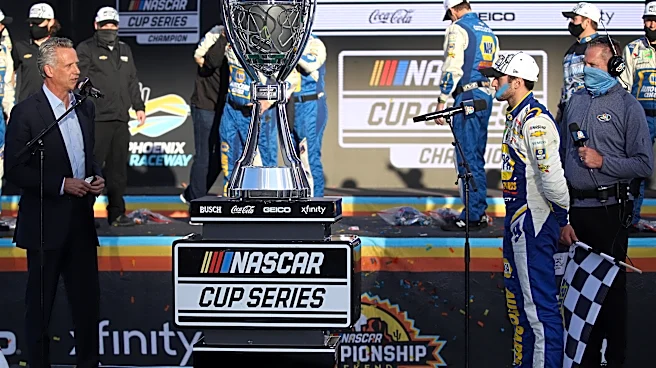
The 2026 NASCAR Cup Series season officially concluded on November 8, with Ryan Blaney winning the final race at Homestead-Miami Speedway and Kyle Larson securing his third career Cup Series championship, his second consecutive title. Following the season's
end, NASCAR has confirmed key dates for the start of the 2027 season. The preseason Wheatley Vodka Clash, an exhibition race that does not award championship points, is scheduled for Saturday, February 13, 2027, at Daytona International Speedway. This event will mark the beginning of Daytona Speedweeks. The official points-paying season will commence with the 2027 Daytona 500 on Sunday, February 21, 2027, also at Daytona International Speedway. This will be the 69th running of the iconic race. FOX Sports is confirmed as the broadcast partner for both the Clash and the Daytona 500, though specific channels and start times are yet to be announced. Drivers will participate in Daytona 500 qualifying on Wednesday, February 17, followed by the Duel at Daytona qualifying races on Thursday, February 18.
Why It's Important?
The conclusion of the NASCAR Cup Series season and the immediate announcement of key dates for the 2027 season are crucial for maintaining fan engagement and commercial momentum within the U.S. sports landscape. NASCAR's strategic scheduling, particularly with the Daytona 500 kicking off the points-paying season in February, positions it to capture significant attention before other major U.S. sports like the NFL and college football dominate the calendar. The return of the Clash to Daytona for the first time since 2021 also signals a potential effort to re-energize traditional fan bases and venues. For broadcasters like FOX Sports, securing rights to these high-profile events ensures continued viewership and advertising revenue. The early confirmation of dates allows teams, sponsors, and fans to plan, contributing to the economic ecosystem surrounding the sport, from travel and hospitality to merchandise sales. The consistent presence of NASCAR provides a valuable product for sportsbooks during the summer offseason of other major leagues, as highlighted by the Michigan NASCAR sellout, demonstrating its commercial viability and importance for live betting markets.
What's Next?
NASCAR fans will now await further announcements regarding the specific broadcast channels and start times for the 2027 Wheatley Vodka Clash on February 13 and the Daytona 500 on February 21. The official website will provide updates on the complete schedule. Teams and drivers will enter their offseason preparations, including car development, team roster adjustments, and sponsor engagements, in anticipation of the upcoming season. The qualifying events for the Daytona 500, including the Wednesday qualifying and Thursday's Duel at Daytona races, will be critical for setting the field for the season's marquee event. The return of the Clash to Daytona International Speedway will be a focal point, as it serves as an early indicator of team performance and driver readiness for the new season. The continued partnership with FOX Sports ensures broad television coverage for these initial events.
Beyond the Headlines
The consistent scheduling and early announcements by NASCAR reflect a broader strategy to maintain its relevance and commercial appeal in a competitive U.S. sports market. By concluding its season in November and restarting in February, NASCAR creates a distinct window for its premier events, avoiding direct competition with the peak seasons of other major sports. The emphasis on traditional venues like Daytona for key events, such as the Clash, suggests a balancing act between innovation and honoring the sport's heritage. This approach is vital for retaining long-time fans while also attracting new audiences through accessible broadcasting and engaging event formats. The economic impact extends beyond ticket sales and sponsorships, influencing local economies around race tracks and contributing to the burgeoning sports betting industry, which values the long, multi-outcome nature of races for live wagering opportunities. The sport's ability to generate sellouts, even in a diverse betting market like Michigan, underscores its enduring cultural and commercial significance.