








What's Happening?
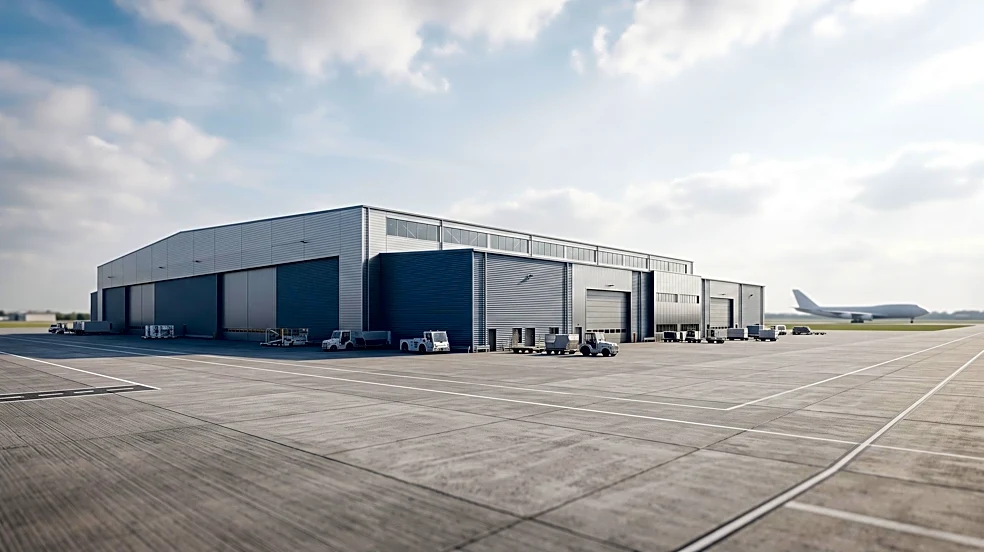
United Parcel Service (UPS) officially opened a new air hub at Clark International Airport in the Philippines on October 15, following an investment exceeding $80 million. This significant expansion aims to bolster UPS's logistics capabilities across
the Asia-Pacific region, improving services along over 1,100 trade lanes connecting Asia Pacific with other global regions. The new 30,000-square-meter facility is 15 times larger than UPS’s previous Clark hub and is equipped to process up to 15,000 packages per hour, supporting an average daily volume of 46,000 packages. This represents a substantial increase in capacity compared to the former facility. The hub supports 170 flight segments weekly, with potential delivery time reductions of up to two days for routes serving eastern China, other Asia-Pacific markets, and connections between parts of Southeast Asia and India. The project has also created nearly 600 new jobs, with Russell Reed, managing director of UPS Philippines, emphasizing Clark's role as a long-term operational base for regional logistics.
Why It's Important?
This investment by UPS is crucial for enhancing global supply chain resilience and efficiency, particularly for U.S. businesses operating in or trading with the Asia-Pacific region. The improved logistics infrastructure can lead to faster and more reliable delivery times, which is vital for industries relying on just-in-time inventory management and rapid market access. U.S. companies involved in high-tech manufacturing, healthcare, and cross-border e-commerce stand to benefit from the shortened transit times and increased capacity. The hub's advanced features, such as automated sorting equipment, refrigeration, freezer facilities, and RFID-based monitoring for temperature-sensitive healthcare shipments, address critical needs in specialized logistics. This strategic expansion by UPS reflects a broader trend of companies adjusting transport routes and supply chains to optimize efficiency and mitigate risks, directly impacting the competitiveness of U.S. businesses in international markets.
What's Next?
The new UPS air hub is expected to immediately begin streamlining logistics operations for businesses across the Asia-Pacific region, with direct benefits for U.S. companies engaged in trade there. UPS's continued investments in other Asia-Pacific locations, including Taiwan, Hong Kong, and South Korea, suggest a broader strategy to fortify its regional network. This ongoing expansion indicates a commitment to meeting the growing demands of international commerce and adapting to evolving supply chain dynamics. Stakeholders, including U.S. manufacturers, healthcare providers, and e-commerce businesses, can anticipate improved service levels and potentially reduced shipping costs. The increased efficiency and reliability offered by the new hub may also encourage more U.S. businesses to expand their operations or sourcing within the Asia-Pacific region, further integrating global supply chains.
Beyond the Headlines
The opening of UPS's new air hub in the Philippines signifies more than just an infrastructure upgrade; it reflects a strategic recalibration of global logistics in response to evolving geopolitical and economic landscapes. As companies seek to diversify supply chains and enhance resilience, investments in key regional hubs become critical. This move by UPS could influence other logistics providers to similarly invest in expanding their networks, potentially leading to a more robust and competitive global shipping environment. Furthermore, the focus on specialized services like temperature-sensitive healthcare shipments highlights the increasing complexity and demands placed on modern logistics, driven by advancements in industries such as pharmaceuticals and biotechnology. The creation of nearly 600 jobs also underscores the economic impact of such investments on local economies, fostering growth and development in the host country while serving global trade needs.