





What's Happening?
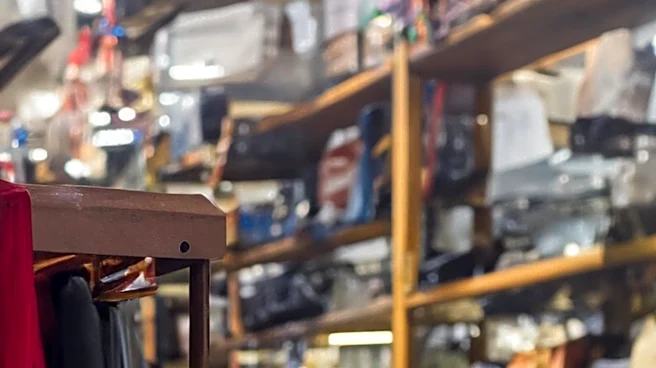
Consignment stores in Florida, specifically in Naples and Fort Myers, are experiencing a significant increase in the number of individuals selling their used clothing, handbags, and other items. Store owners, such as Jennifer Johnson of True Fashionistas,
report that the number of sellers has doubled. This trend is attributed to residents facing higher household bills and economic pressures, leading them to seek ways to earn money from unused belongings. Sellers can receive cash or store credit for their consigned items. The phenomenon extends beyond Southwest Florida, with resale marketplace OfferUp indicating that approximately 75% of shoppers are engaging in buying or selling used goods due to increased costs. Jeannie Gawronski, owner of A Step Above Resale, also noted a recovery and surge in business following Hurricane Ian, with her store now consistently busy.
Why It's Important?
This surge in consignment activity highlights the growing financial strain on American households, as residents turn to their closets to mitigate rising expenses like gas and general cost of living. The trend underscores a broader economic shift where consumers are increasingly relying on the resale market to manage budgets and generate supplementary income. The increase in both sellers and buyers in the secondhand market reflects how inflation and tariff-related costs are impacting purchasing power, making new clothing more expensive. For businesses like consignment stores, this period presents an opportunity for growth and recovery, as seen with A Step Above Resale post-Hurricane Ian. It also indicates a shift in consumer behavior towards more sustainable and cost-effective shopping habits, driven by necessity rather than solely environmental consciousness.
What's Next?
The continued economic pressures are likely to sustain the demand for consignment and thrift stores, both for selling and buying. As household budgets remain tight, more individuals may explore selling unused items to cover daily expenses or to afford new purchases. This could lead to further expansion of the resale market, with more stores potentially opening or existing ones broadening their inventory to meet diverse customer needs, such as furniture sales, as observed by Jeannie Gawronski. The increased activity in the secondhand market may also prompt larger retailers to consider their own resale programs or partnerships to tap into this growing segment. Additionally, the trend could influence manufacturing and retail strategies, pushing for more durable and resalable goods.
Beyond the Headlines
The rise of the consignment market in Florida and across the U.S. points to a deeper societal adaptation to economic volatility. It challenges traditional consumption patterns, encouraging a more circular economy where goods are reused rather than discarded. This shift has environmental benefits, reducing textile waste and the demand for new production, which often has a significant carbon footprint. Culturally, it may normalize and destigmatize secondhand shopping, transforming it from a niche activity to a mainstream practice. Legally, it could lead to increased scrutiny of consumer protection in the resale market, particularly concerning item authenticity and condition. The trend also highlights the resilience and resourcefulness of individuals in managing financial challenges, turning personal assets into liquid funds to navigate economic uncertainties.