







What's Happening?
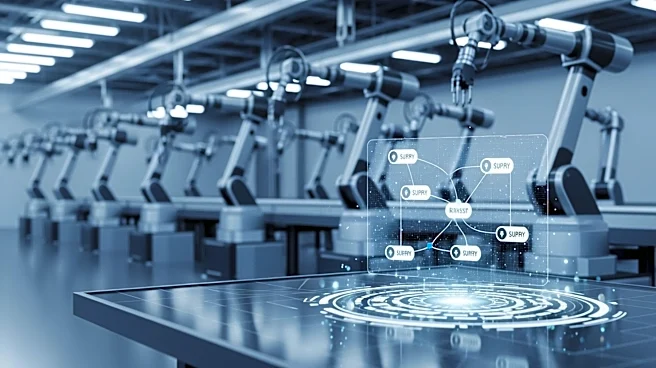
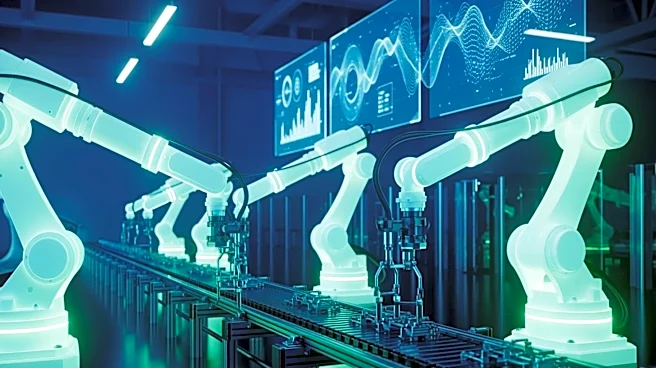
The promise of Industry 4.0, characterized by connected sensors and intelligent systems, is being hindered by outdated Equipment Asset Management (EAM) infrastructures. Despite the deployment of Industrial Internet of Things (IIoT) solutions and predictive
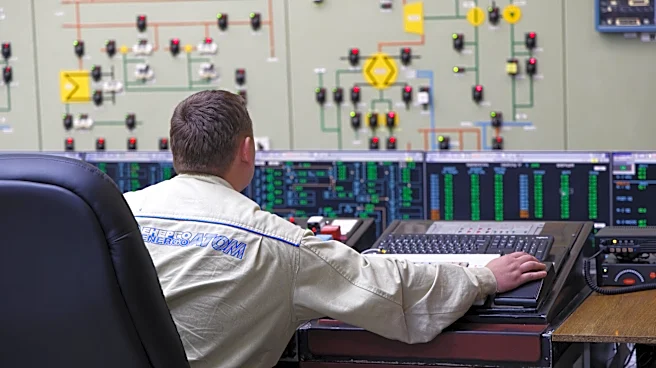
maintenance technologies, many manufacturers continue to face significant operational challenges. The core issue lies in the EAM systems, which were designed for a different era and are not equipped to handle the continuous data streams and dynamic decision-making required by modern industrial environments. As a result, the potential benefits of Industry 4.0, such as reduced downtime and maintenance costs, are not being fully realized.
Why It's Important?
The integration of advanced EAM systems is crucial for realizing the full potential of Industry 4.0 technologies. Organizations that successfully implement mature predictive maintenance strategies can achieve significant cost reductions and operational efficiencies. For instance, McKinsey research indicates that such implementations can lead to maintenance cost reductions of 18 to 25% and downtime reductions of up to 50%. The failure to update EAM systems not only limits these benefits but also results in substantial financial losses due to unplanned downtime, which can cost Fortune 500 companies an estimated $1.4 trillion annually. Therefore, bridging the EAM gap is essential for enhancing industrial productivity and competitiveness.
What's Next?
To close the gap between current EAM practices and the requirements of Industry 4.0, organizations need to focus on integrating their data domains, including IIoT sensor streams, ERP inventory data, and AI decision layers. This integration will enable real-time data processing and decision-making, allowing for more proactive maintenance strategies. Companies must also prioritize continuous data governance and dynamic inventory optimization to ensure that their EAM systems can support the demands of modern industrial operations. As these changes are implemented, organizations can expect to see improved asset reliability and reduced operational costs.
Beyond the Headlines
The evolution of EAM practices is not just a technological challenge but also a cultural and operational shift. It requires organizations to rethink their approach to data management and decision-making, moving from static, human-mediated processes to dynamic, AI-driven workflows. This shift will necessitate changes in organizational structures and roles, with human planners transitioning to supervisory roles that oversee AI-generated recommendations. The successful implementation of these changes will not only enhance operational efficiency but also position organizations to better leverage future technological advancements.