





What's Happening?
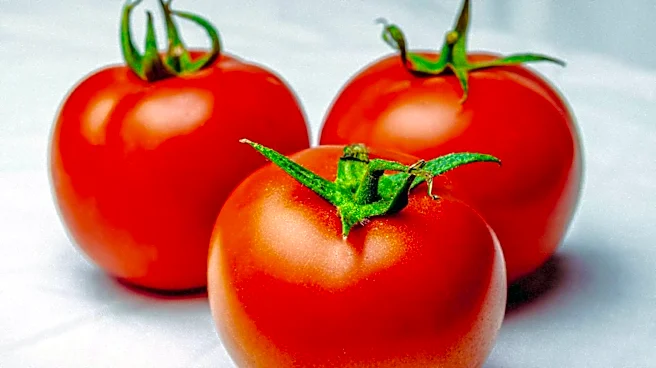
[Pmalfa31] has developed a system using an ESP32 microcontroller and machine learning to grade tomatoes based on size and color. The system differentiates between standard and cherry tomatoes, using learned data sets to process optical sensor data. It
removes empty belt images, computes statistical information, and groups readings for individual fruits. The program includes heuristic checks to validate the size of tomatoes, reducing miscategorizations. This approach demonstrates the potential of combining low-cost hardware with machine learning to automate agricultural processes, improving efficiency and accuracy in produce grading.
Why It's Important?
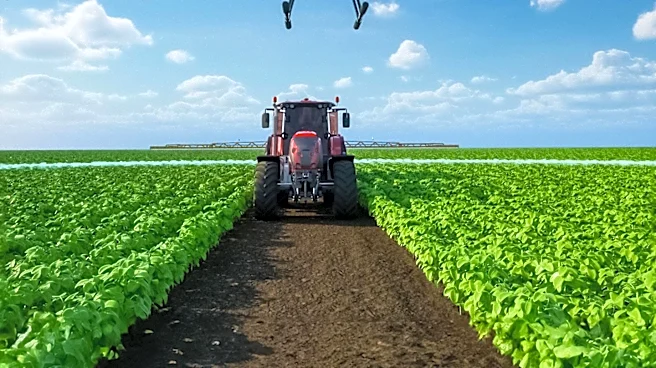
The integration of machine learning and microcontrollers in agriculture represents a significant advancement in precision farming. By automating the grading process, this technology can increase efficiency, reduce labor costs, and improve the consistency of produce quality. This is particularly important for large-scale agricultural operations where manual grading is time-consuming and prone to human error. The use of affordable and accessible technology like the ESP32 makes it feasible for small and medium-sized farms to adopt these innovations, potentially leading to increased competitiveness and sustainability in the agricultural sector.
What's Next?
Further development and testing are needed to refine the system and expand its capabilities to other types of produce. Collaboration with agricultural experts and technology developers could enhance the system's accuracy and reliability. As the technology matures, it may be integrated into larger agricultural automation systems, contributing to the broader adoption of smart farming practices. Continued exploration of machine learning applications in agriculture could lead to new innovations in crop management, pest control, and resource optimization.