



What's Happening?
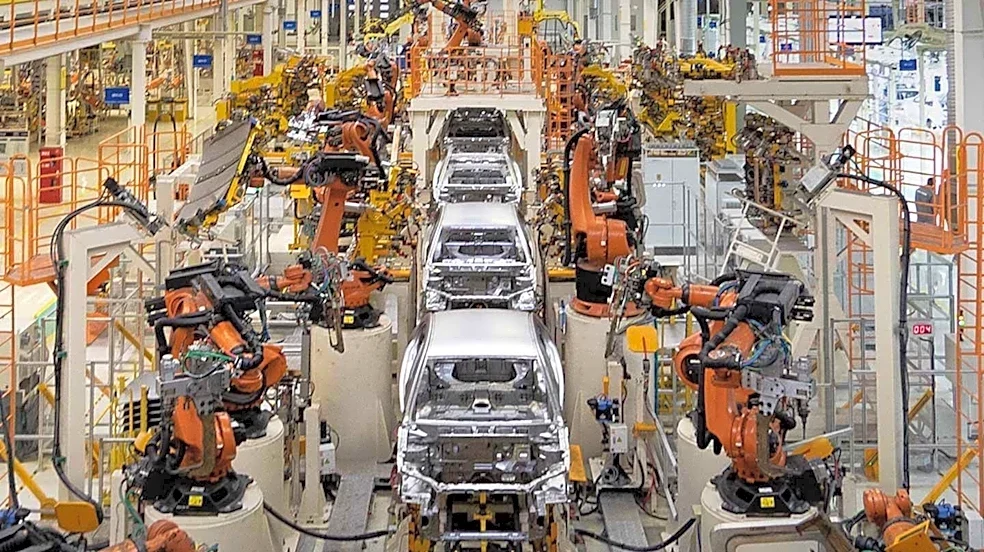
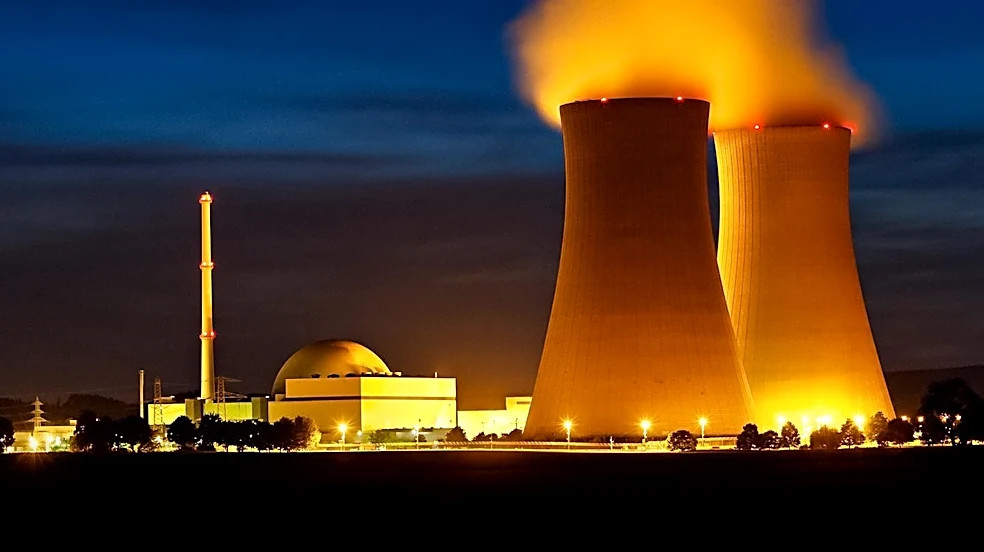
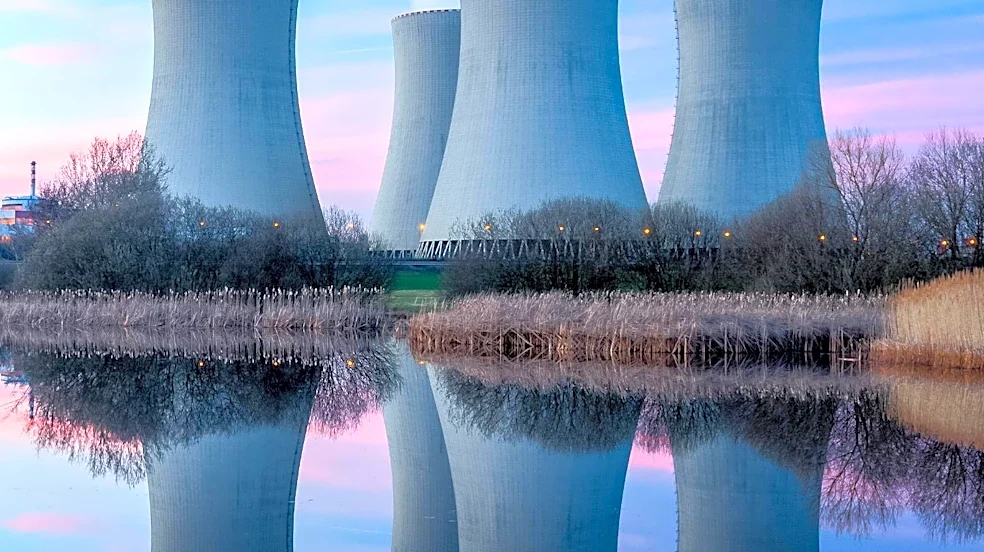
Westinghouse Electric Company is expanding its Columbia Fuel Fabrication Facility in Hopkins, South Carolina, with an investment of approximately $1 billion. This expansion aims to construct one of the most advanced nuclear fuel factories in the United
States, significantly boosting commercial-scale low enriched uranium plus (LEU+) fuel production. LEU+ fuel, with a uranium enrichment level of 5% to 8%, enhances reactor power output and reduces production costs by decreasing refueling time. Westinghouse successfully deployed LEU+ fuel in the U.S. in 2025 through an industry partnership. The new facility in Richland County is expected to begin operations in 2030 and will supply next-generation fuel with advanced equipment to existing and new customers. The Coordinating Council for Economic Development has approved job development credits for this project. Governor Henry McMaster stated that this expansion further strengthens South Carolina's commitment to meeting future clean energy needs.
Why It's Important?
This significant investment by Westinghouse is crucial for the U.S. energy sector, particularly in advancing nuclear energy capabilities. The increased production of LEU+ fuel will contribute to strengthening energy independence and securing a clean energy supply for the nation. By enhancing reactor power output and lowering production costs, LEU+ fuel can make nuclear energy a more competitive and viable option for electricity generation. This expansion also positions South Carolina as a leader in the nuclear renaissance, fostering economic growth and creating high-paying jobs in the advanced energy sector. Secretary of Commerce Harry M. Lightsey III highlighted that this expansion strengthens national security and drives economic growth, while Richland County Council Chairwoman Jesica Mackey noted the long-term economic stability and job creation for the region.
What's Next?
Construction of the new LEU+ facility at Westinghouse's existing Bluff Road campus is currently underway, with operations anticipated to commence in 2030. This timeline suggests a multi-year development phase before the full impact of increased LEU+ fuel production is realized. The successful deployment of LEU+ fuel in 2025 indicates a proven technology, and the new factory aims to bring this next-generation fuel industry-wide. The continued support from the U.S. Department of Energy, as acknowledged by Westinghouse President and CEO Dan Sumner, will be vital for the project's success. The expansion is expected to solidify South Carolina's role in the nuclear energy landscape and contribute to the broader U.S. clean energy goals.
Beyond the Headlines
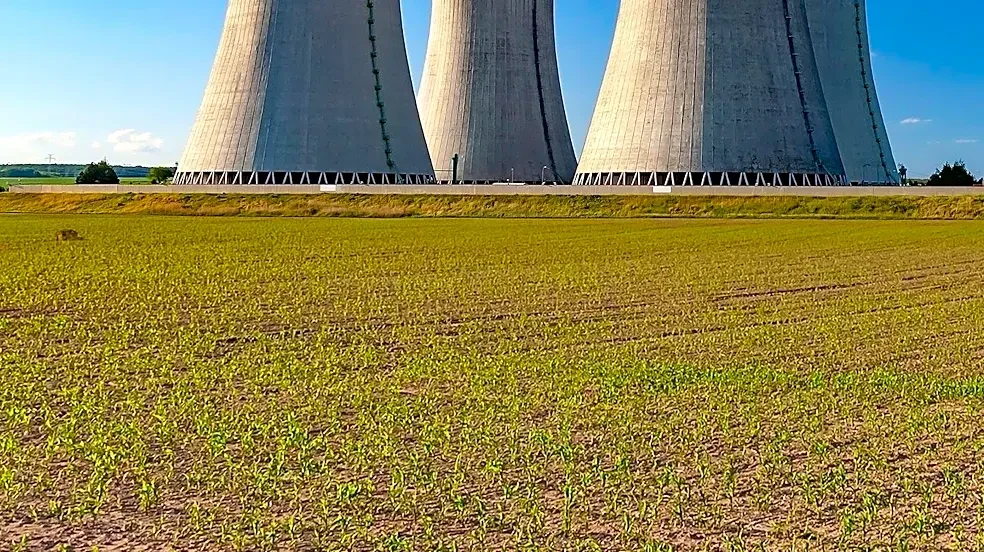
The expansion of Westinghouse's facility represents a broader strategic shift towards advanced nuclear technologies in the U.S. The focus on LEU+ fuel not only addresses efficiency and cost but also underscores a commitment to innovation in nuclear energy. This development could set a precedent for other states and companies to invest in similar advanced fuel technologies, potentially accelerating the transition to cleaner energy sources. The long-term implications include a reduced reliance on fossil fuels, enhanced energy security, and the creation of a highly skilled workforce in the nuclear sector. Furthermore, the project highlights the importance of public-private partnerships and government support in driving critical infrastructure development and technological advancements for national benefit.