







What's Happening?
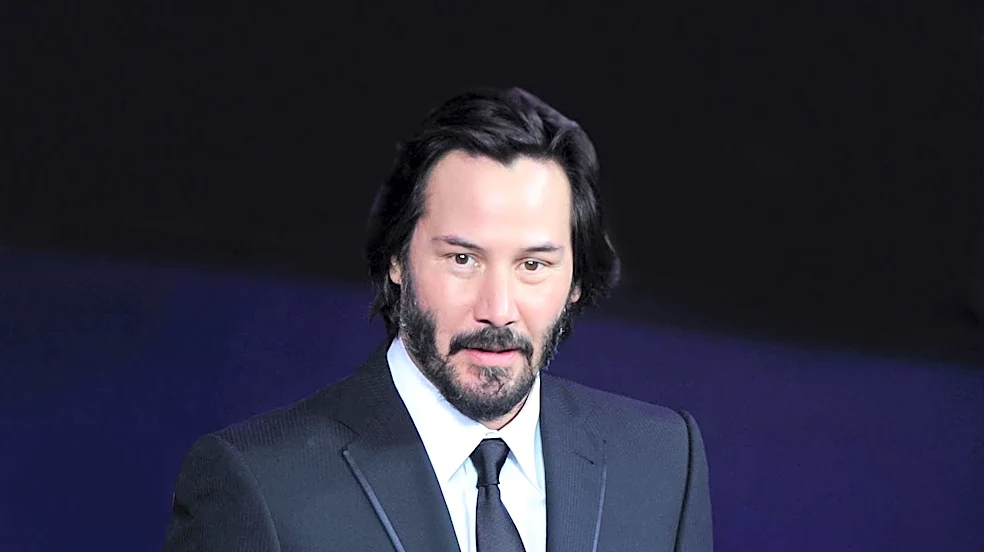
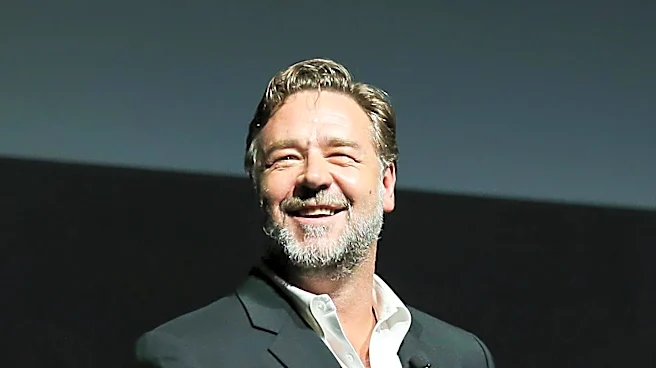
Russell Crowe revealed in a 2019 interview with Australian radio station Nova that he turned down the lead role in the highly influential 1999 science fiction film 'The Matrix.' The role, which ultimately went to Keanu Reeves as Neo, was also offered
to other prominent actors like Will Smith and Brad Pitt before Reeves, Carrie-Anne Moss, and Laurence Fishburne were cast. Crowe stated that he 'couldn't get past page 36' of the script and, as he further explained to Far Out Magazine, he 'just didn't understand' the universe presented in the screenplay, finding it uninteresting. 'The Matrix,' directed by the Wachowskis, became a cinematic landmark, known for its visual innovations like 'bullet time' and its exploration of a world where reality is a simulated illusion created by intelligent machines. The film was a significant box office success, grossing over $460 million worldwide against a budget of $63 million.
Why It's Important?
This decision by Russell Crowe highlights the subjective nature of script interpretation and the potential for actors to misjudge the future impact of a project. 'The Matrix' not only launched a successful franchise but also profoundly influenced filmmaking techniques and philosophical discourse in popular culture. Crowe's candid admission underscores that even seasoned actors can fail to grasp the vision behind a groundbreaking concept, potentially missing out on career-defining roles. The film's success, despite initial casting challenges, demonstrates the power of a strong creative vision and the right ensemble to bring a complex narrative to life. It also serves as a reminder that what might seem obscure or uninteresting on paper can, with the right execution, become a cultural phenomenon, shaping trends in science fiction and action cinema for decades.
What's Next?
While Russell Crowe continues his acting career with upcoming films like 'Beast' by Tyler Atkins and 'The Get Out' by Derrick Borte, the legacy of 'The Matrix' remains firmly established with its original cast. The franchise has seen multiple sequels, including 'Matrix Reloaded,' 'Matrix Revolutions,' and 'Matrix Resurrections,' solidifying its place in cinematic history. Crowe's reflection on his decision offers a retrospective insight into the early development of a film that became a cultural touchstone. Future discussions around 'The Matrix' will likely continue to reference these initial casting considerations, further cementing the 'what if' scenarios that could have altered the film's iconic status.
Beyond the Headlines
Crowe's rejection of 'The Matrix' role delves into the broader theme of artistic foresight and the challenges of translating complex, innovative ideas from script to screen. His difficulty in understanding the script points to the film's ambitious and unconventional narrative, which ultimately resonated deeply with audiences. This incident also subtly highlights the collaborative nature of filmmaking, where the collective vision of directors, writers, and actors is crucial. The film's eventual success, despite an initial lack of comprehension from a major star, underscores that sometimes the most groundbreaking works are those that challenge conventional understanding and require a leap of faith from their creators and performers. It also raises questions about how many other potentially iconic roles have been turned down due to similar misunderstandings, and how those decisions have shaped the careers of actors and the trajectory of cinema.