

What's Happening?
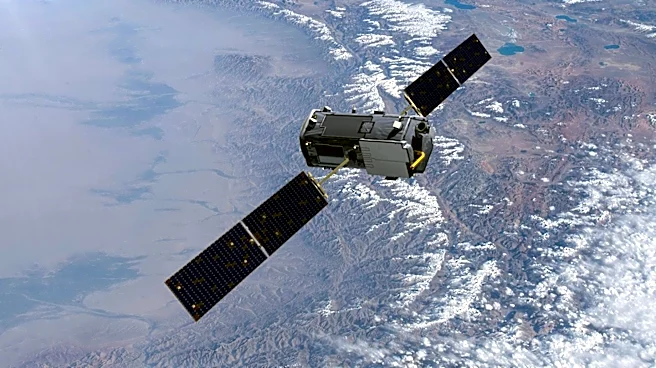
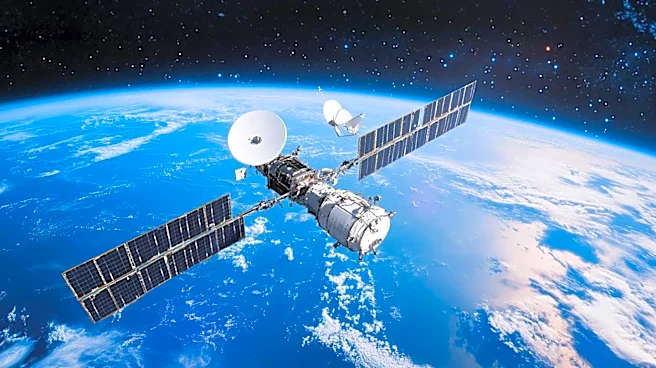
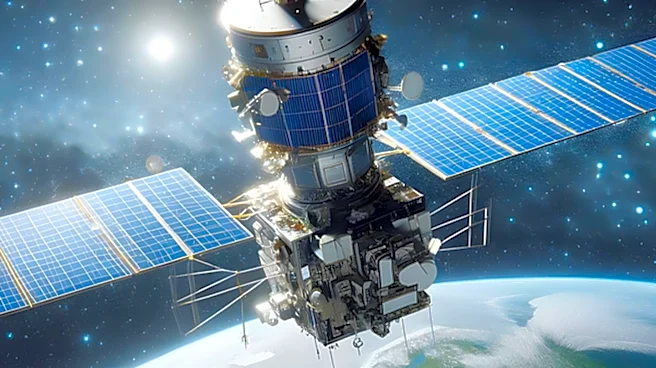
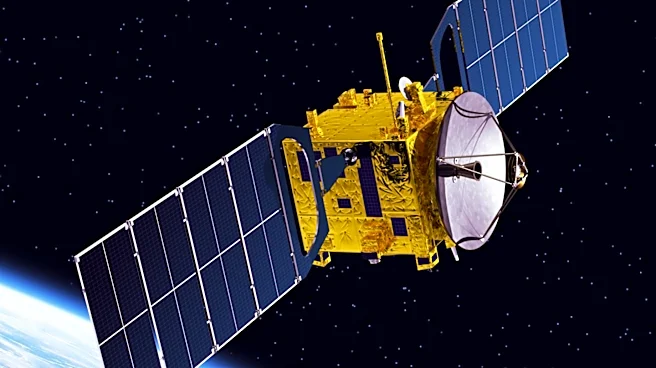
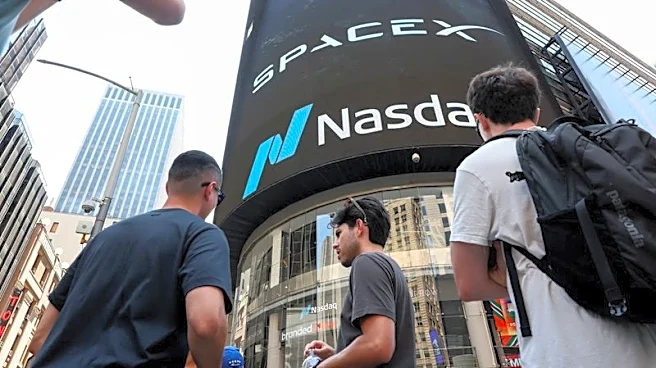
SpaceX, under the leadership of Elon Musk, is set to expand its Starlink satellite internet service into the mobile network sector, aiming to capture a share of the $600 billion market dominated by major telecom companies. The company plans to deploy
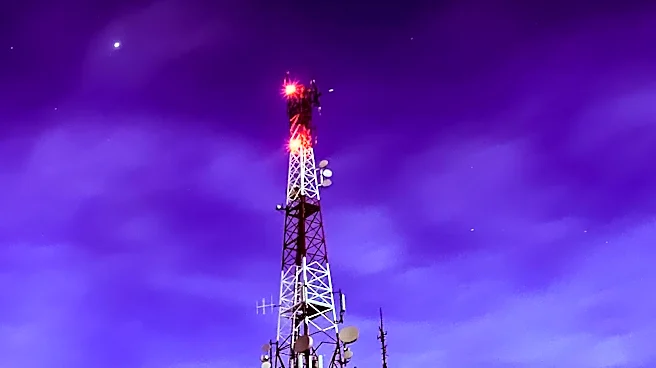
numerous small cell stations, known as femtocells, integrated with Starlink devices to provide mobile connectivity. This approach contrasts with traditional large-scale cell towers, offering a more flexible and widespread network. SpaceX's strategy includes leveraging its satellite infrastructure to eliminate coverage gaps and maintain connectivity during natural disasters.
Why It's Important?
SpaceX's entry into the mobile network market could significantly alter the competitive landscape, challenging established telecom giants like AT&T, Verizon, and T-Mobile. By offering an alternative mobile service, particularly in rural and underserved areas, SpaceX could drive innovation and competition, potentially leading to better services and lower prices for consumers. The initiative also highlights the growing convergence of satellite and terrestrial networks, which could redefine how mobile services are delivered globally. However, SpaceX faces challenges in securing sufficient frequency bands and building the necessary infrastructure to support its ambitious plans.
What's Next?
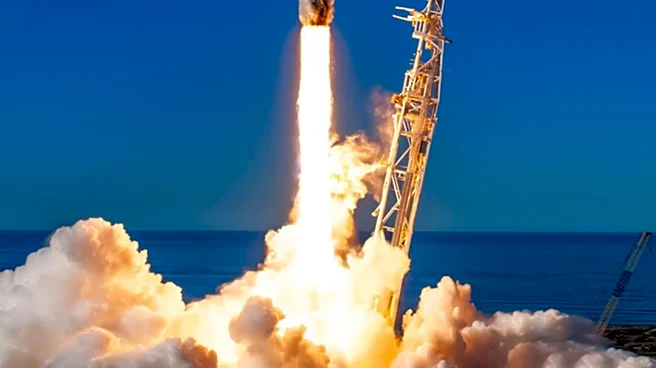
SpaceX plans to begin launching the new generation of Starlink satellites next year, with the goal of providing mobile services by the end of the year. The company will need to navigate regulatory hurdles and secure partnerships to expand its network. As SpaceX progresses, traditional telecom operators may respond by enhancing their own services and exploring new technologies to maintain their market positions. The success of SpaceX's mobile network expansion will depend on its ability to overcome these challenges and deliver a reliable and competitive service.