

What's Happening?
Cluttercore, a decorating trend, is gaining prominence by filling spaces with personal collections and mementos, characterized by an intentional and organized disorder. This style, highlighted by architect Lydia Fernández, distinguishes itself from maximalism,
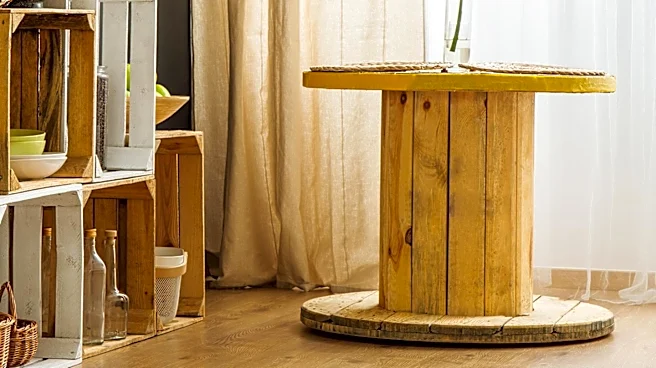
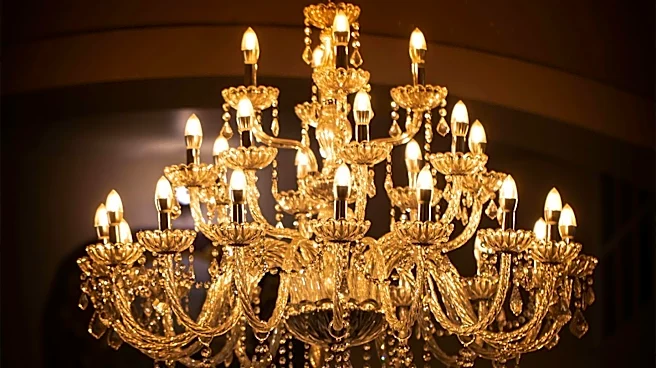
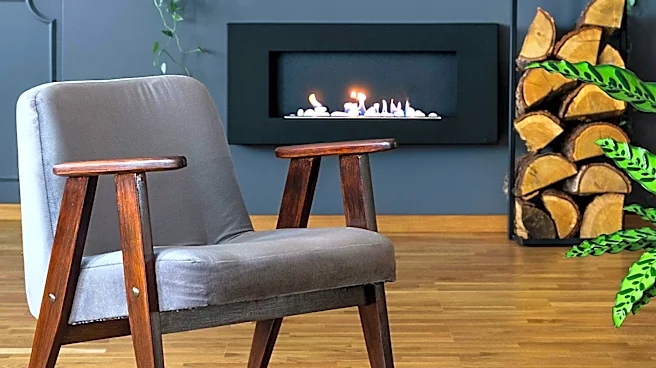
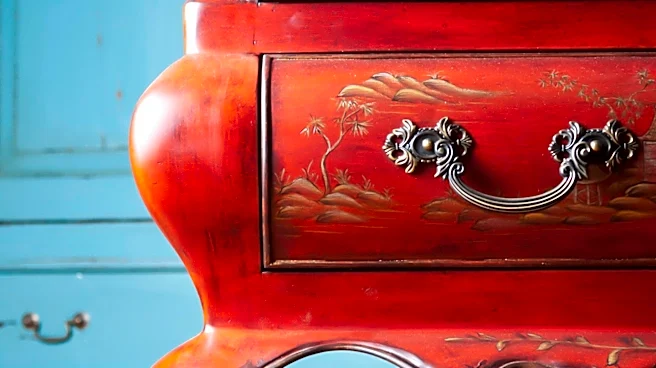
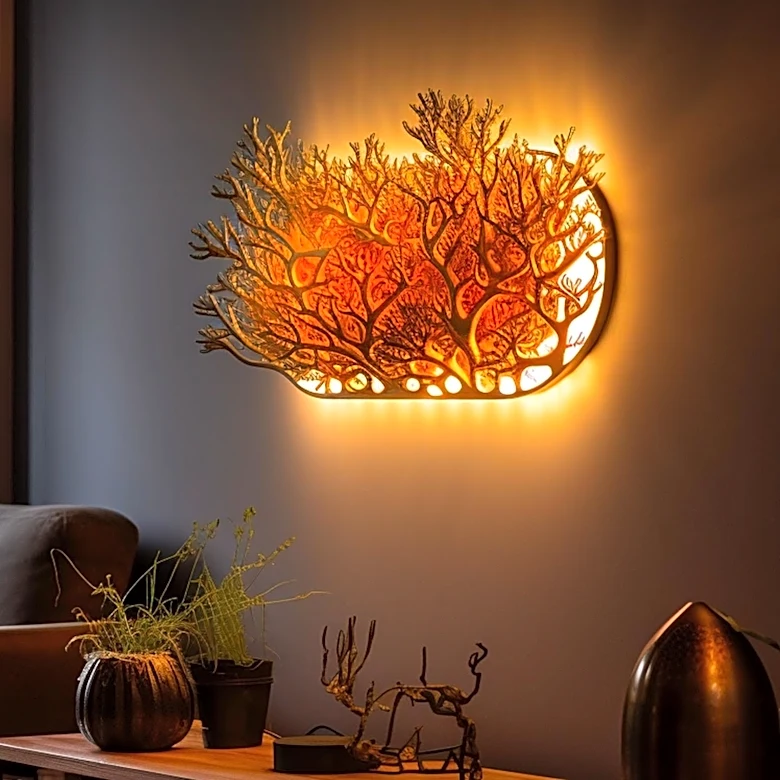
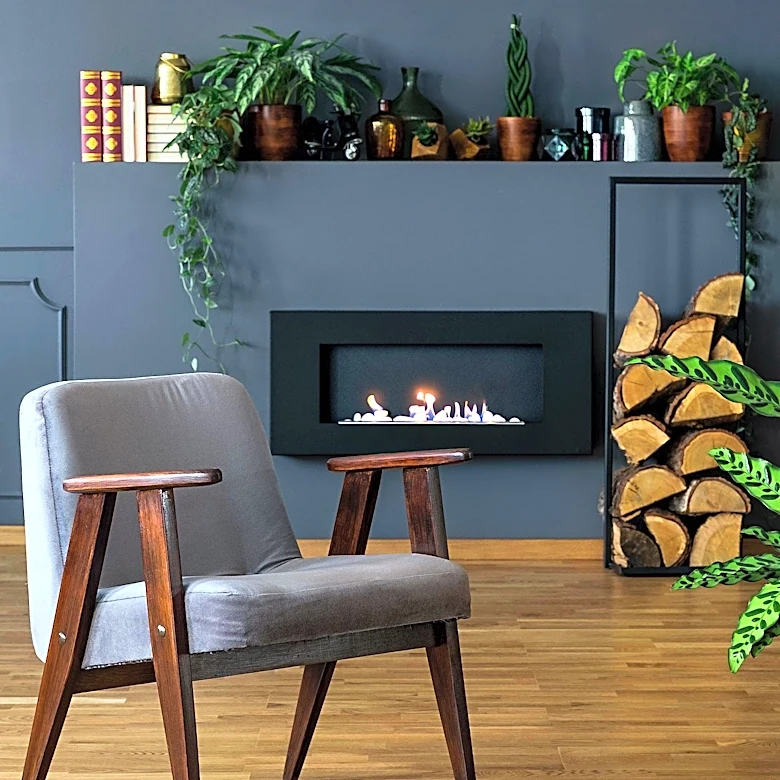
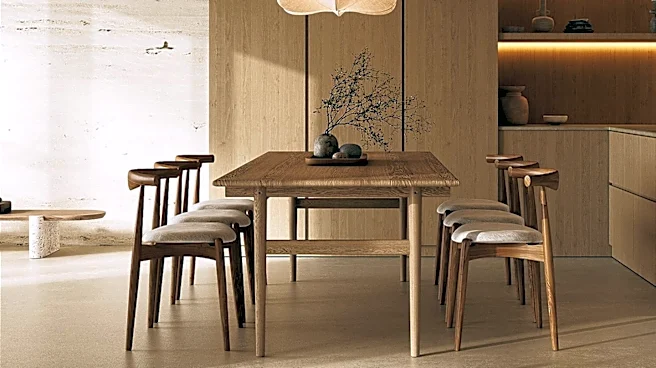
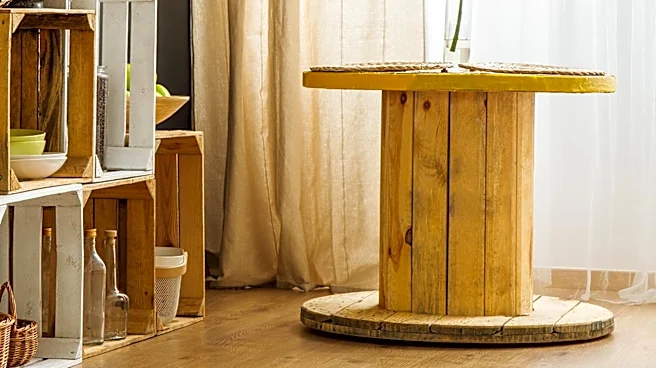
which focuses on diverse colors and fabrics. Instead, cluttercore translates the homeowner's interests into meaningful objects, cultivating collections rather than simply accumulating items. For 2026 holiday trends, this approach is evident in the emphasis on heirloom ornaments and handmade pieces. Materials such as wood, wicker, jute, and pine cones are central to creating a simple and warm decor, aligning with Scandinavian aesthetics that favor warm light and colors like beige, cream, brown, and moss green. The trend suggests that an antique chest of drawers can coexist with a contemporary lamp, blending historical pieces with modern elements.
Why It's Important?
The rise of cluttercore reflects a broader shift in consumer preferences towards personalization and sustainability in home decor. This trend encourages individuals to value and display items with personal significance, potentially reducing the demand for mass-produced, disposable decor. For U.S. industries, this could mean an increased market for artisanal goods, vintage items, and custom-made furniture, benefiting small businesses and craftspeople. Retailers might adapt by offering curated collections of unique items or promoting DIY decor options. The emphasis on natural materials like wood, wicker, and jute also supports industries involved in sustainable sourcing and production. Homeowners stand to gain by creating more meaningful and unique living spaces that reflect their identity, while potentially saving money by repurposing existing items or investing in durable, cherished pieces rather than constantly updating with fleeting trends.
What's Next?
As cluttercore gains traction, interior design firms and home furnishing retailers are likely to incorporate its principles into their offerings. We may see more workshops and resources dedicated to curating personal collections and styling spaces with intentional disorder. The trend's focus on natural and handmade elements suggests a continued demand for eco-friendly and ethically sourced products. Expect to see more collaborations between designers and artisans, as well as a greater emphasis on storytelling through home decor. Consumers might also increasingly seek out vintage markets, antique shops, and online platforms for unique, pre-loved items to build their cluttercore collections. The holiday season in 2026 is anticipated to showcase this trend prominently, with heirloom and handmade ornaments becoming central to festive decorations.
Beyond the Headlines
Cluttercore's emergence can be seen as a cultural counter-movement to minimalist aesthetics, which have dominated interior design for years. It challenges the notion that less is always more, instead advocating for a richer, more layered environment that tells a personal story. This trend taps into a deeper human desire for connection to objects and memories, transforming living spaces into reflections of individual journeys and values. Ethically, it promotes a more sustainable consumption model by encouraging the reuse and appreciation of existing items, rather than constant acquisition of new ones. Legally, there are no direct implications, but culturally, it signifies a growing appreciation for authenticity and individuality in an increasingly homogenized world, potentially influencing how people perceive and interact with their personal environments.