



What's Happening?
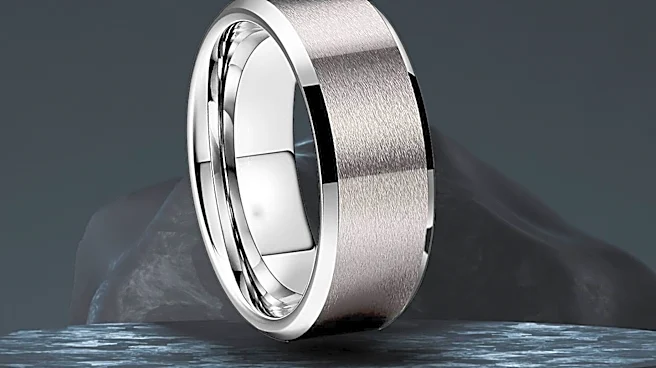
Smart rings, such as those from Oura, Samsung, and Ultrahuman, are becoming increasingly popular as health tracking devices. These rings offer features like sleep tracking, heart rate monitoring, and activity tracking, providing users with a daily readiness
score. Oura, a leader in the market, has sold over 5.5 million rings, capturing approximately 74% of global shipments. The appeal of smart rings lies in their discreet design and the ability to provide continuous health data without the need for frequent charging. As the market grows, analysts predict that the smart ring industry will surpass $2 billion, driven by innovations in design and functionality.
Why It's Important?
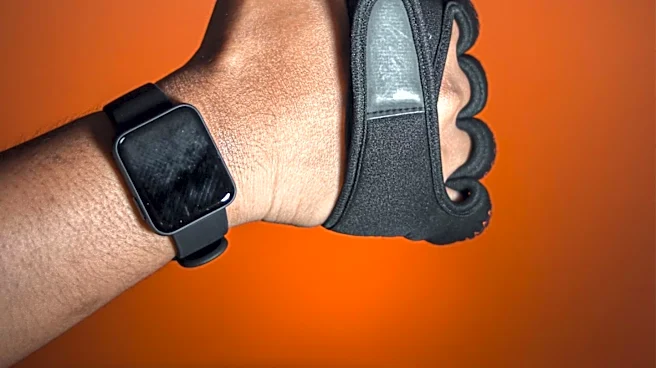
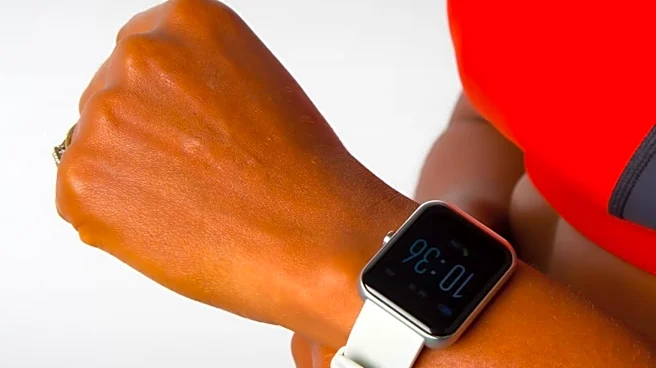
The rise of smart rings represents a shift in consumer preferences towards less intrusive health monitoring solutions. Unlike traditional smartwatches, smart rings offer a more comfortable and subtle way to track health metrics, appealing to users who prefer not to wear a device on their wrist. This trend highlights the growing demand for wearable technology that integrates seamlessly into daily life, providing valuable health insights without being obtrusive. The expansion of the smart ring market could lead to increased competition and innovation, resulting in more advanced features and lower prices, making these devices accessible to a broader audience.
What's Next?
As the smart ring market continues to expand, we can expect further advancements in technology and design. Future iterations may include additional features such as payment capabilities, smart home integration, and enhanced health monitoring functions. Companies are likely to focus on improving battery life, accuracy, and user experience to maintain a competitive edge. The growing interest in wearable health technology suggests that smart rings will play a significant role in the future of personal health management, offering users a convenient and effective way to monitor their well-being.