
What's Happening?
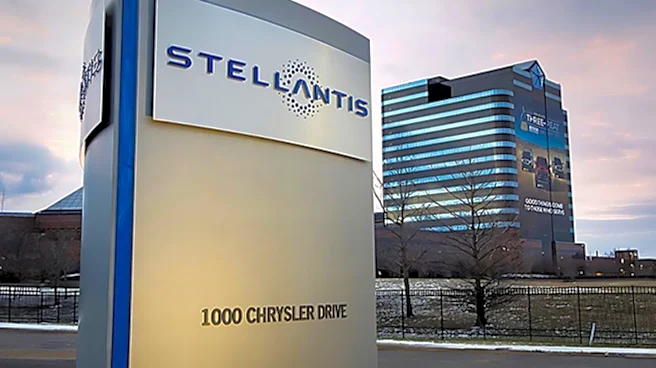
Stellantis has announced its decision to withdraw all its official racing teams from various European competition programs, including Peugeot in the WEC, Lancia in the World Rally 2 Championship, and Opel
and Citroën in Formula E. This strategic shift aims to redirect resources and efforts towards the development of new models and to ensure the stability and job security within the company. The move is part of the new FASTLANE 2030 strategic plan, which outlines the launch of sixty new models over the next five years, backed by an investment exceeding 60 billion euros. This global restructuring plan focuses on electrifying and diversifying Stellantis's vehicle range to meet the demands of specific regional markets. The company's leadership, under CEO Antonio Filosa, believes that the commercial return from previous competition investments did not meet expectations. This decision follows earlier withdrawals, such as Alfa Romeo from Formula 1 in 2023 and Maserati from Formula E.
Why It's Important?
This strategic pivot by Stellantis has significant implications for its U.S. operations and the broader automotive market. While the withdrawal from European racing programs is aimed at optimizing resource allocation, the FASTLANE 2030 plan explicitly seeks to strengthen RAM and Jeep brands as benchmarks in the United States and Canada. This indicates a renewed focus on these key American brands, potentially leading to increased investment in their product development, electrification, and market positioning. The reallocation of resources from high-cost racing endeavors to core product development could accelerate the introduction of new, competitive models for the U.S. market, particularly in the electric vehicle segment. This move could enhance Stellantis's ability to compete with other major automakers in the U.S., potentially benefiting consumers with more advanced and diverse vehicle options. Furthermore, by prioritizing stability and jobs, Stellantis aims to secure its long-term presence, which is vital for its U.S. manufacturing facilities and the thousands of jobs they support.
What's Next?
Following the withdrawal from European racing competitions, Stellantis plans to reallocate specialized staff from its racing teams to projects focused on high-performance models and sports prototypes, such as the Peugeot E-T16. This internal reassignment is intended to prevent job losses associated with the competition program cancellations. The company will continue to supply competition models to private and satellite teams, as well as for one-make competitions, offering advice and support from its competition technicians. Notably, this decision will not impact the Dodge and RAM competition teams in NASCAR and NHRA (Hot Rods or drag racing) in the United States, as these programs are deemed to have lower costs and provide significant advertising returns for the North American market. Over the next five years, the automotive industry will observe how Stellantis executes its FASTLANE 2030 plan, particularly the launch of sixty new models and the substantial investment in electrification and diversification, with a keen eye on the performance and market reception of its strengthened RAM and Jeep brands in the U.S. and Canadian markets.
Beyond the Headlines
Stellantis's decision to exit European racing programs reflects a broader industry trend where automakers are re-evaluating the return on investment of traditional marketing and R&D expenditures in favor of direct product development, especially in the rapidly evolving electric vehicle sector. This shift highlights the immense financial pressures and strategic imperatives driving major automotive groups. For the U.S. market, this could mean a more concentrated effort on developing electric trucks and SUVs under the RAM and Jeep brands, which are crucial for Stellantis's market share and profitability in North America. The continued support for Dodge and RAM in NASCAR and NHRA underscores the unique cultural and marketing significance of these motorsports in the U.S., demonstrating a tailored regional strategy. This strategic realignment also raises questions about the future of motorsport sponsorship and its role in brand building, as companies increasingly seek more direct and measurable impacts from their investments. The long-term success of this strategy will depend on Stellantis's ability to effectively translate its reallocated resources into compelling new vehicles that resonate with consumers in a highly competitive and environmentally conscious market.