



What's Happening?
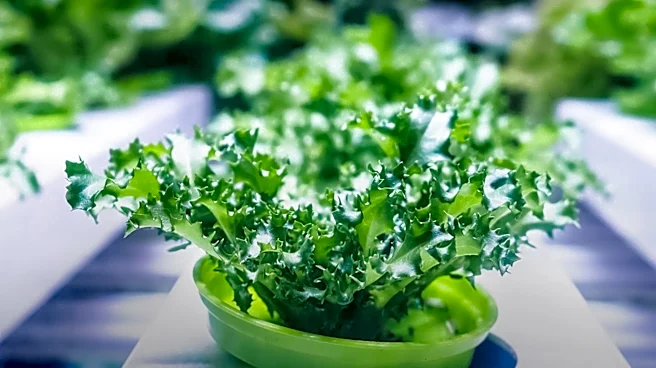
Indoor hydroponic gardening systems are enabling individuals to grow vegetables year-round, even in environments completely devoid of natural light, such as basements or windowless rooms. This method utilizes full-spectrum LED grow lights, which provide
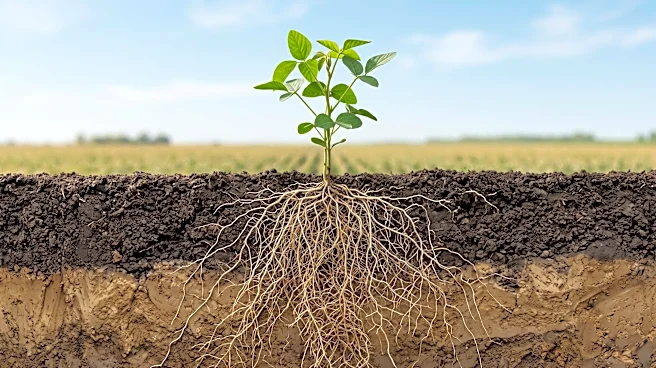
the necessary wavelengths of light for photosynthesis, primarily red and blue light. Hydroponics, which delivers nutrients directly to plant roots through water instead of soil, complements artificial light environments by offering precise control over water pH, electrical conductivity (EC), temperature, and nutrient delivery. This controlled environment eliminates variables like drafts, seasonal changes, and outdoor pests. According to research from the University of Minnesota Extension, hydroponic plants can grow 30-50% faster than soil-grown plants due to direct access to dissolved nutrients. Systems like the Personal Rise Garden and Rise Garden 3 are designed for compact or larger setups, respectively, featuring integrated LED lighting calibrated for optimal plant growth.
Why It's Important?
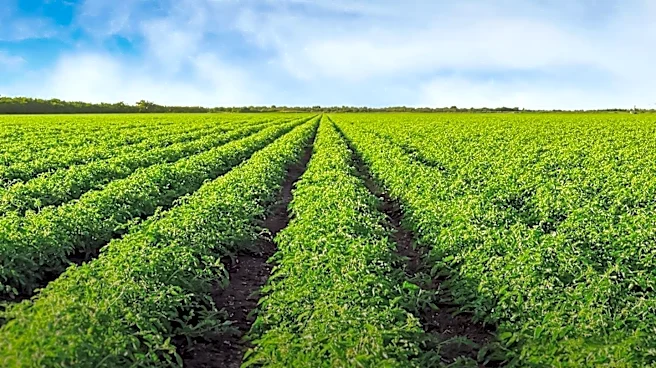
This development is significant for urban dwellers, individuals in regions with limited sunlight, or those seeking greater food independence. The ability to grow fresh produce indoors, regardless of external conditions, enhances food security and access to nutritious options. It also offers a solution for sustainable agriculture in areas where traditional farming is impractical. For consumers, it means access to fresh, locally grown produce year-round, potentially reducing reliance on long-distance transportation and its associated environmental impact. For businesses, the market for indoor gardening equipment, from LED lights to hydroponic systems, is expanding, creating new economic opportunities. The controlled nature of hydroponics also allows for optimized growth, potentially leading to higher yields and more efficient resource use compared to conventional farming, making it a valuable tool in addressing future food challenges.
What's Next?
The trend of indoor hydroponic gardening is expected to continue growing, with advancements in LED technology and automated systems making it even more accessible and efficient. Manufacturers will likely focus on developing more user-friendly and aesthetically pleasing systems for home use, as well as larger-scale solutions for commercial indoor farms. Research will continue to optimize light spectrums, nutrient formulations, and environmental controls to maximize yields and nutritional content. Educational initiatives will also be crucial to inform potential growers about the benefits and techniques of hydroponics. As more people adopt this method, there could be a shift in consumer preferences towards hyper-local produce, potentially impacting traditional agricultural supply chains. The integration of AI and smart home technology could further automate and simplify the indoor gardening process, making it an increasingly viable option for a wider audience.
Beyond the Headlines
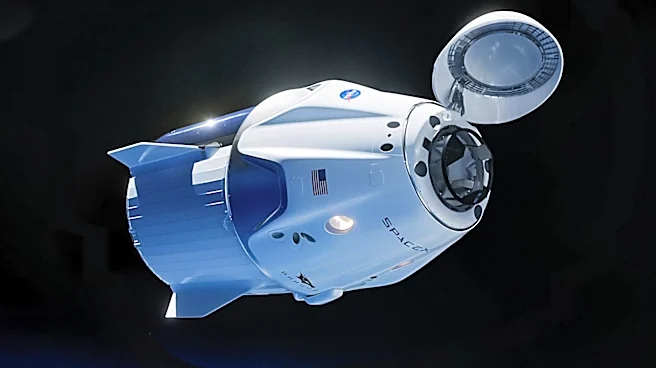
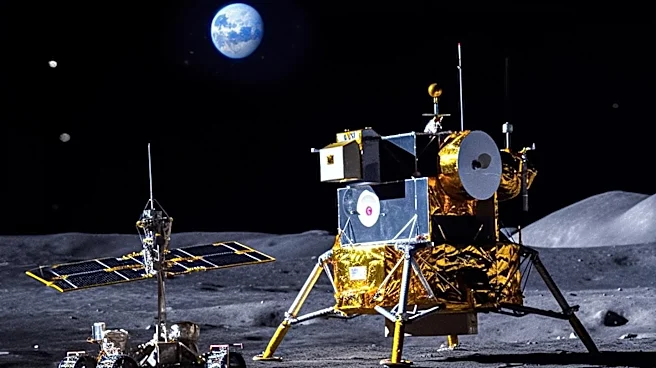
Beyond the immediate benefits of fresh produce, indoor hydroponic gardening touches upon broader themes of technological innovation, environmental sustainability, and personal well-being. It represents a paradigm shift in how food can be produced, moving away from traditional land-intensive agriculture towards more controlled, efficient, and localized systems. This technology has implications for space exploration, as demonstrated by NASA's Veggie project on the International Space Station, showcasing its potential for long-duration missions. On a societal level, it can empower individuals to take control of their food sources, fostering a sense of self-reliance and connection to nature, even in urban settings. The precise control offered by hydroponics also opens doors for scientific research into plant growth, allowing for detailed studies on how different environmental factors influence plant development and nutrient profiles, potentially leading to breakthroughs in plant science and crop optimization.