





What's Happening?
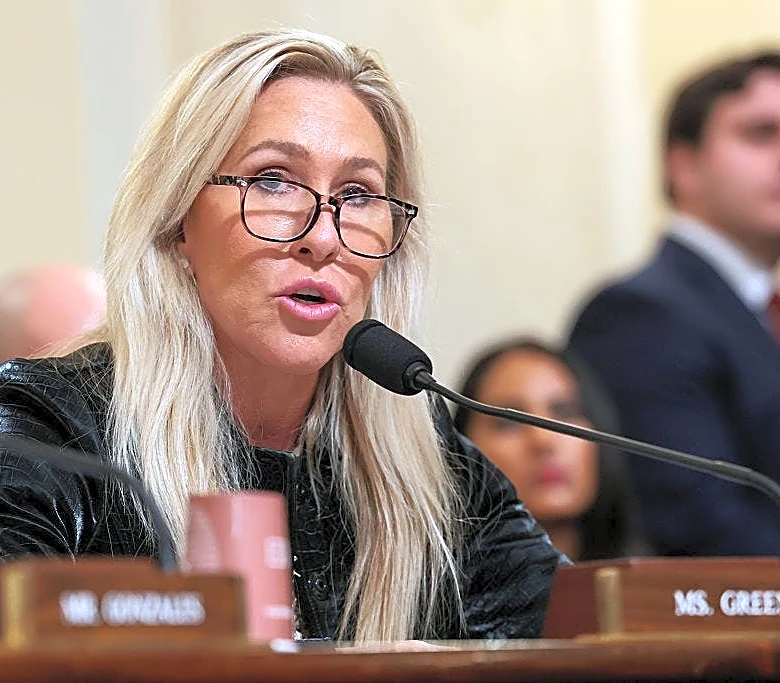
The Organic Trade Association (OTA), representing farmers, food companies, and advocates, recently visited Capitol Building to advocate for policies aimed at overcoming challenges hindering the growth of the U.S. organic sector. Their primary goals include
increasing domestic organic production and processing, strengthening the enforcement of the organic label, maintaining federal support for organic research and programs, and ensuring greater certainty in trade, labor, and farm policy. The organic industry aims to grow its sales from an estimated $76 billion in 2025 to over $100 billion in the coming years. However, it faces significant hurdles such as insufficient infrastructure for production and processing, growing competition from other sustainability claims like regenerative agriculture, and concerns about the integrity of organic certification, particularly for imported products. The USDA has already implemented the Strengthening Organic Enforcement rule in 2024 to tighten regulations on organic imports, requiring electronic National Organic Program import certificates.
Why It's Important?
The organic industry's push for congressional support is crucial for its continued growth and the integrity of the 'USDA Organic' label in the U.S. market. Achieving the $100 billion sales target would signify a substantial expansion of a sector that provides consumers with certified sustainable food options. Strengthening domestic production and processing infrastructure, as proposed by the Domestic Organic Investment Act, would reduce reliance on imports, create jobs, and enhance the economic viability of U.S. organic farmers. Furthermore, robust enforcement and fraud prevention are vital to maintaining consumer trust in the organic label, especially as the market becomes saturated with various sustainability claims. Without adequate oversight and resources for the USDA's National Organic Program, the distinction and value of organic certification could be diluted, potentially impacting consumer willingness to pay a premium for organic products. This initiative also highlights the broader economic impact of agricultural policies on rural communities and the importance of federal support for specialized farming sectors.
What's Next?
The OTA is actively lobbying for the passage of the Domestic Organic Investment Act, which seeks to establish a grant program to support businesses in expanding organic infrastructure and processing capacity. They are also advocating for the Organic Enforcement Modernization Act, led by Democratic Pennsylvania Sen. John Fetterman, which aims to close structural gaps in existing legislation and build upon the Strengthening Organic Enforcement rule. Industry leaders are also calling for increased staffing and resources for the USDA's National Organic Program to ensure effective administration and enforcement of organic standards. Beyond specific legislation, the OTA is urging Congress to include organic farmers in broader federal farm relief efforts, recognizing their higher production costs. The ongoing dialogue with legislators is part of a long-term strategy to build a supportive policy environment for the organic sector, with the goal of fostering sustainable growth and maintaining consumer confidence.
Beyond the Headlines
The challenges faced by the organic industry, particularly regarding infrastructure and enforcement, underscore a deeper tension within the broader food system: how to scale sustainable practices while maintaining their integrity and consumer trust. The rise of other sustainability claims, such as regenerative agriculture, presents both an opportunity for broader environmental impact and a potential threat to the unique positioning of organic. This situation prompts a re-evaluation of how consumers perceive and value different environmental and health claims on food packaging. The emphasis on domestic production also touches upon issues of food security and supply chain resilience, especially in the face of global disruptions. Ultimately, the success of the organic movement in the U.S. will depend not only on legislative support but also on continuous innovation in farming practices, transparent certification processes, and effective communication with consumers about the distinct benefits and standards of organic products.