




What's Happening?
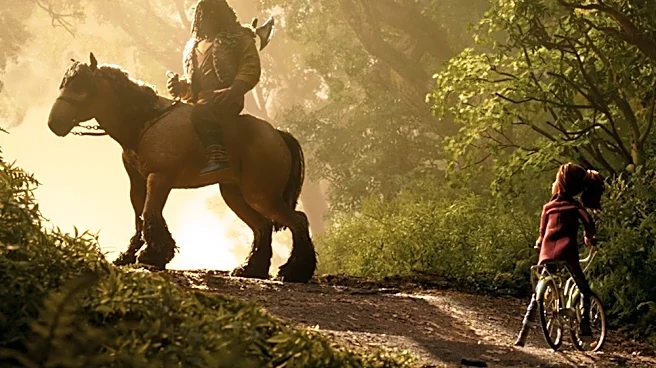
Filmmakers behind Laika's stop-motion animated film 'Wildwood' discussed their creative process at Contenders Film Los Angeles, revealing how they combined frame-by-frame animation with visual effects. Director Travis Knight, cinematographer Caleb Deschanel,
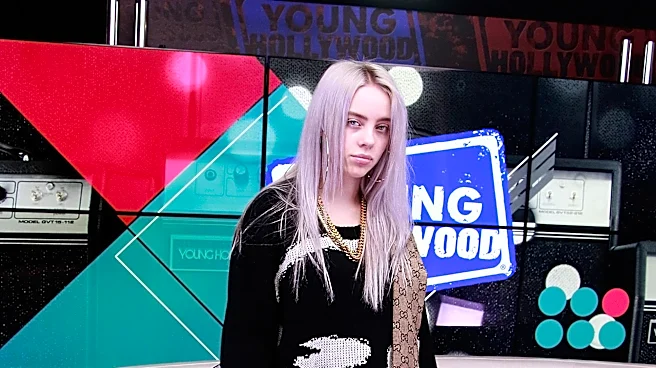
and visual effects Supervisor Steve Emerson shared insights into the real-world inspirations for their work. Deschanel notably used a Billie Eilish doll for lighting tests on the sets before the film's characters were finalized. The film, based on Colin Meloy's book, follows Prue (voiced by Peyton Elizabeth Lee) and Curtis (Jacob Tremblay) on a mission that culminates in an epic battle.
Why It's Important?
This insight into Laika's production methods highlights the intricate and innovative techniques employed in stop-motion animation, a niche but highly respected segment of the film industry. The use of a Billie Eilish doll for practical lighting tests demonstrates the resourceful and hands-on approach required, emphasizing how real-world objects and creative problem-solving contribute to the visual quality of animated features. For the animation industry, it showcases the blend of traditional artistry and modern visual effects, pushing the boundaries of what is possible in storytelling through animation.
What's Next?
The film 'Wildwood' is expected to be released, bringing Laika's unique animation style to audiences. The discussions at Contenders Film Los Angeles serve to generate anticipation and critical interest in the movie, particularly among film enthusiasts and industry professionals. Laika's continued commitment to stop-motion animation, as highlighted by Knight's comments on the challenges of making such films, suggests ongoing efforts to advocate for and advance this art form in the broader cinematic landscape.
Beyond the Headlines
The detailed account of 'Wildwood's' production process, including the use of a Billie Eilish doll, underscores the often unseen labor and ingenuity behind animated films. It also touches upon broader themes within the animation industry, such as the balance between practical and digital effects, and the challenges of securing funding and support for unique artistic visions in an era of consolidation. Knight's humorous lament about technical geniuses working on puppets rather than curing diseases also subtly critiques societal priorities, while Deschanel's hope for broader animation appeal speaks to the potential for animated stories to address mature and complex themes.