




What's Happening?
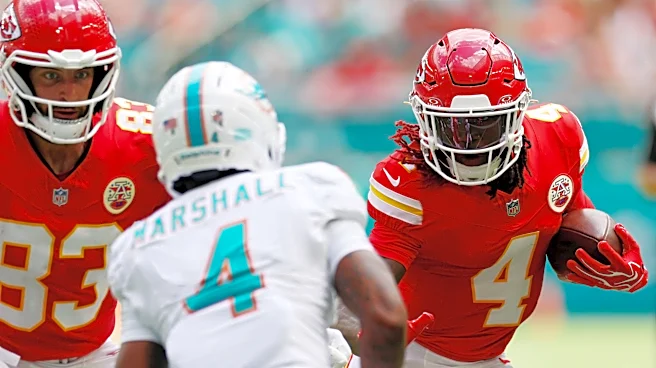
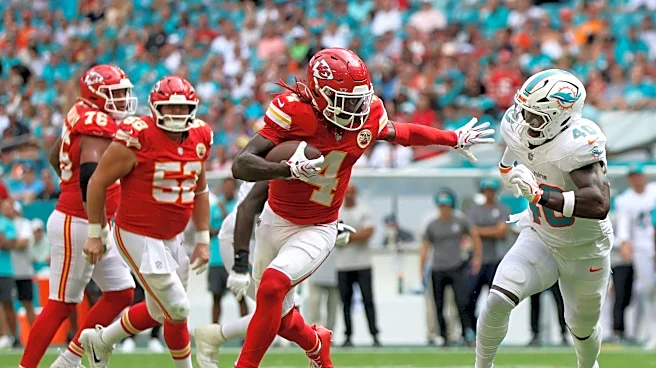
Kansas City Chiefs wide receiver Rashee Rice has filed for Chapter 7 bankruptcy, reporting $3.45 million in debts. This development was discussed by Craig Carton on "The Craig Carton Show," where he criticized Rice's teammates and the Chiefs organization
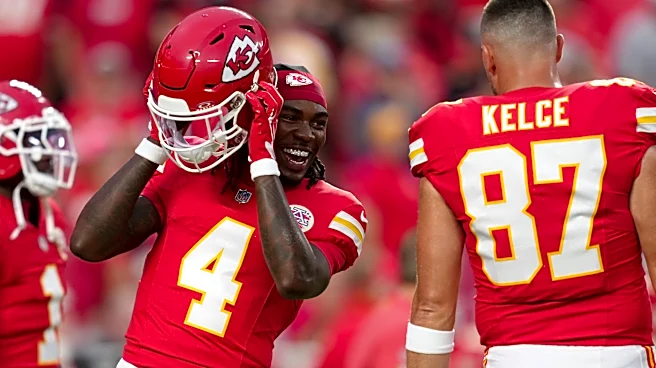
for not offering financial assistance. Carton highlighted that Rice is still on his rookie contract, a four-year deal worth approximately $6.5 million, which is now reportedly depleted. The bankruptcy filing comes after Rice faced criminal charges and civil lawsuits related to a car accident, with some lawsuits still pending. Carton noted that while many Chiefs players showed public support for Rice during his legal troubles, wearing "Free No. 4" shirts, that same support appears to be absent in his current financial crisis.
Why It's Important?
This situation underscores the financial vulnerabilities even professional athletes can face, particularly those on rookie contracts who may encounter unexpected legal or personal expenses. For the Kansas City Chiefs, the bankruptcy filing of a key player could bring unwanted off-field distractions, potentially impacting team morale and public perception. The criticism from Craig Carton regarding the lack of financial support from Rice's wealthy teammates raises questions about the nature of team solidarity beyond public displays. It also highlights the broader issue of financial literacy and management among young athletes who suddenly come into significant wealth but may lack the experience or guidance to manage it effectively, especially when faced with unforeseen liabilities.
What's Next?
Rashee Rice will proceed with the Chapter 7 bankruptcy process, which typically involves the liquidation of assets to pay off creditors. The outcome of his pending civil lawsuits will also be a significant factor in his financial recovery. For the Kansas City Chiefs, the focus will likely remain on Rice's on-field performance while managing any potential public relations fallout from this situation. It remains to be seen if any teammates or the organization will offer support following Carton's public critique. This event may also prompt further discussions within sports organizations about providing more robust financial counseling and support systems for their athletes, particularly those early in their careers.
Beyond the Headlines
The situation with Rashee Rice extends beyond his personal financial woes, touching upon the ethical responsibilities within professional sports teams. Carton's commentary implicitly questions the depth of camaraderie often touted in locker rooms, suggesting that solidarity might be more performative than practical when significant personal crises arise. It also brings to light the immense pressure and scrutiny athletes face, where their financial struggles become public spectacles. This incident could spark a broader conversation about how professional sports leagues and teams can better equip athletes with the tools and resources to navigate complex financial landscapes, especially when legal troubles or other unforeseen circumstances deplete their earnings rapidly. The perceived lack of support from peers, despite their substantial wealth, could also influence how fans view the personal dynamics within professional sports.