






What's Happening?
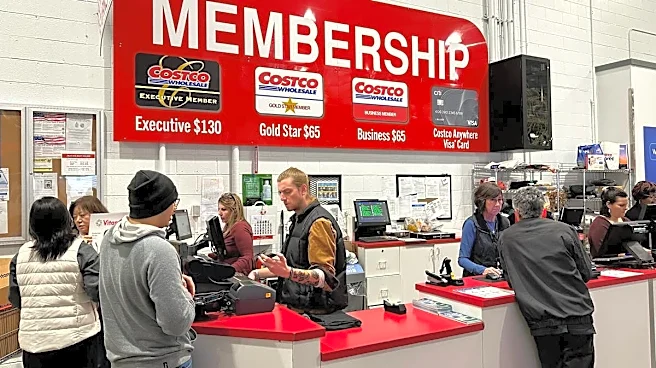
Retailers are focusing on improving in-store staff loyalty enrollment processes, particularly in anticipation of peak shopping seasons. A key challenge identified is the high turnover of seasonal staff, with an estimated 450,000 new hires in the U.S.
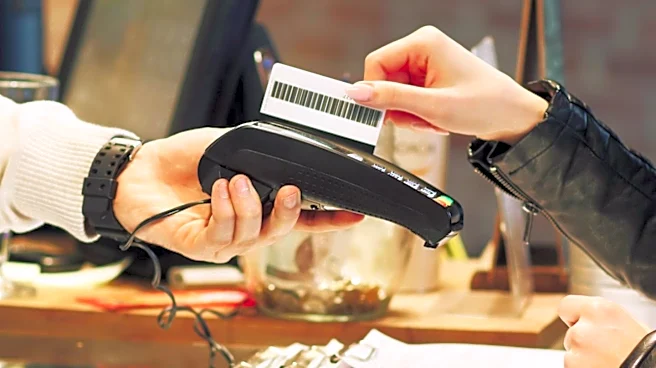
in 2026, who often receive minimal training on loyalty programs. This leads to missed opportunities, as new staff members interacting with first-time customers may not effectively promote program sign-ups. Operational gaps include rushed inductions, long queues that deter staff from asking, and sign-up processes that are not integrated seamlessly into transactions. Only 16% of sign-ups occur at the checkout, and just 11% are prompted by staff. To address this, experts recommend six fixes: simplifying staff training to under 10 minutes, providing benefit-led scripts for associates, making enrollment fast via QR codes and single-field sign-ups, incentivizing staff for active member sign-ups, tracking enrollment by store and associate, and ensuring automated welcome journeys for new members.
Why It's Important?
Effective in-store loyalty enrollment is crucial for U.S. retailers, especially during peak seasons, as it directly impacts customer acquisition and retention. Each missed sign-up represents a lost opportunity to convert a one-time shopper into a loyal customer, costing businesses potential future revenue. In a competitive retail landscape, building a robust customer database through loyalty programs is essential for personalized marketing, understanding consumer behavior, and driving repeat purchases. The inability of staff to effectively enroll customers means that significant marketing spend to attract shoppers to stores is not fully capitalized upon. By streamlining the enrollment process and empowering frontline staff, retailers can enhance the customer experience, increase the lifetime value of their customers, and gain valuable first-party data. This strategic focus helps businesses move beyond transactional relationships to build lasting customer loyalty, which is vital for sustained growth and profitability.
What's Next?
Retailers are expected to implement more streamlined and technology-driven solutions for in-store loyalty enrollment. This will likely involve wider adoption of QR codes and digital wallet passes to expedite sign-ups, shifting the data entry burden from associates to customers. Training programs for seasonal staff will be condensed and focused on key benefits and quick enrollment methods. Incentive structures for staff will evolve to reward not just sign-ups, but also the activation and retention of new members, fostering a culture of effective loyalty promotion. Furthermore, advanced analytics will be used to track enrollment rates, activation rates, and data quality by individual associate and store, enabling targeted coaching and performance improvement. The integration of loyalty programs with POS systems will become more sophisticated, ensuring that every in-store enrollment is tagged and seamlessly integrated into automated welcome journeys, aiming to convert holiday shoppers into long-term, engaged members.
Beyond the Headlines
The challenges and solutions surrounding in-store loyalty enrollment highlight a broader tension in modern retail: the balance between efficiency, technology, and human interaction. While digital tools offer speed and convenience, the human element of a staff member's recommendation remains powerful. The emphasis on quick, benefit-led scripts and simplified processes reflects a recognition that customer attention spans are short, and friction in the sign-up process can be a major deterrent. This also touches upon the ethical considerations of data collection at the point of sale, ensuring transparency and consent. Culturally, the success of these programs depends on empowering frontline employees, transforming them from mere transaction processors into brand ambassadors who can articulate value. In the long term, retailers who master this blend of technology and human touch in their loyalty strategies will not only boost sales but also cultivate a more engaged and satisfied customer base, fostering a stronger brand identity in an increasingly impersonal digital world.