






What's Happening?
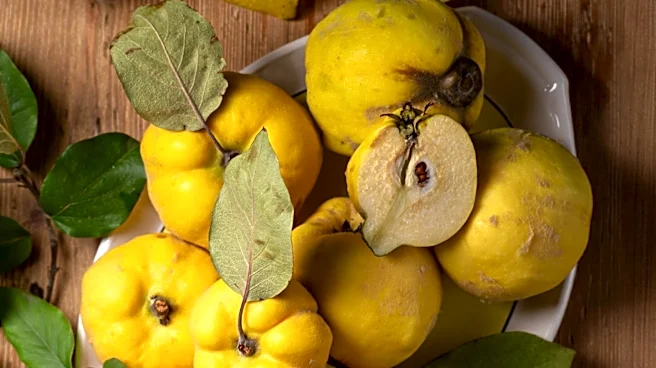
Quince, a golden-yellow fruit resembling a cross between an apple and a pear, is experiencing a resurgence in professional kitchens as seasonal menus shift towards autumn and winter ingredients. Known for its firm texture and naturally tart flavor, quince
is rarely eaten raw due to its astringency. However, cooking transforms the fruit, developing a tender texture, delicate sweetness, and floral aroma. This makes it a unique and versatile option for chefs, restaurants, caterers, and specialty grocery retailers looking to introduce distinctive seasonal offerings. Its harvest typically occurs in the fall, aligning with the demand for locally inspired and cooler-weather ingredients.
Why It's Important?
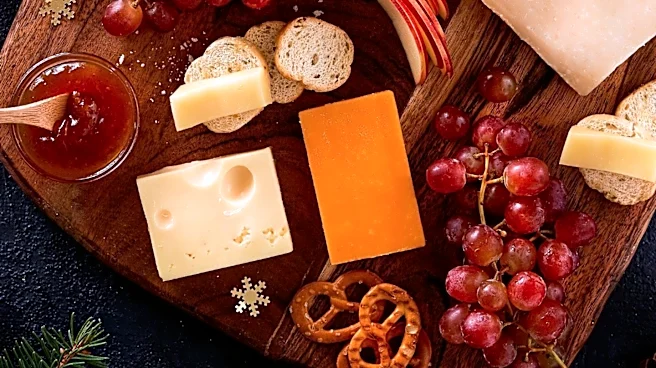
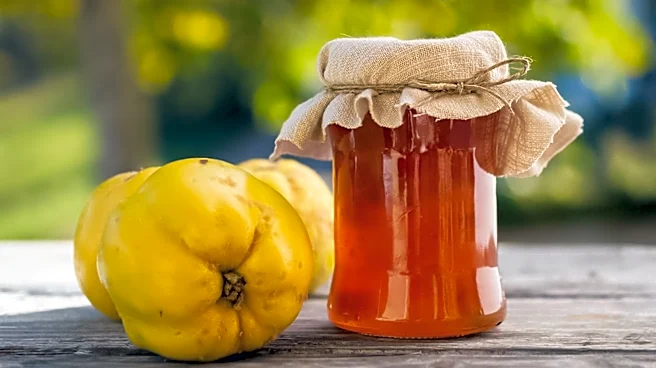
The renewed interest in quince offers an opportunity for culinary businesses to differentiate their seasonal menus and attract customers seeking novel flavors. For chefs, quince provides a versatile ingredient that can be incorporated into both savory and sweet dishes, from braised meats and cheese boards to desserts and fruit compotes. This versatility allows for creative menu development and the exploration of less familiar fruits. Wholesale produce buyers also benefit by understanding quince's culinary uses and seasonal availability, enabling them to support diverse fall and winter offerings for their clients. The fruit's distinctive flavor profile, which pairs well with common autumn spices and fruits like apples and pears, makes it a natural fit for holiday specials and seasonal promotions, potentially boosting sales and customer engagement in the food service industry.
What's Next?
As quince continues to gain traction, wholesale produce buyers will need to focus on sourcing high-quality fruit. Key considerations include looking for firm fruit with a strong golden-yellow color and a noticeable fragrance, while avoiding excessive softness or signs of decay. Proper storage and careful handling will be crucial to maintain quality and minimize waste. Coordination with suppliers, such as E. Armata Inc. at the Hunts Point Produce Market, will be essential for ensuring consistent availability. The increased demand for quince is likely to encourage more restaurants and retailers to feature it in their seasonal menus, potentially leading to a broader consumer awareness and appreciation for this unique fruit in the coming fall and winter seasons.
Beyond the Headlines
The rediscovery of quince highlights a broader trend in the culinary world towards utilizing unique, seasonal, and often overlooked ingredients. This movement reflects a growing consumer interest in diverse flavors, local sourcing, and sustainable food practices. By incorporating fruits like quince, chefs are not only innovating their menus but also educating consumers about the rich variety of produce available beyond common staples. This trend can lead to a more adventurous and sophisticated palate among diners, encouraging them to explore new culinary experiences. Furthermore, it supports local agriculture and strengthens the supply chain for specialty produce, fostering a more resilient and diverse food system.