





What's Happening?
PACK EXPO International 2026, held at McCormick Place in Chicago, marked its 70th anniversary as the largest event in its history. The trade show, hosted by PMMI, The Association for Packaging and Processing Technologies, featured over 1.3 million net
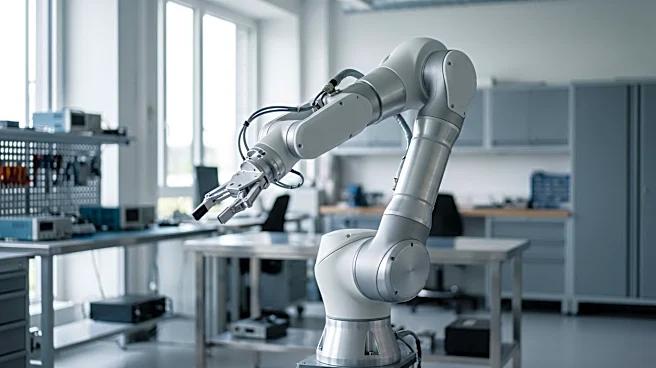
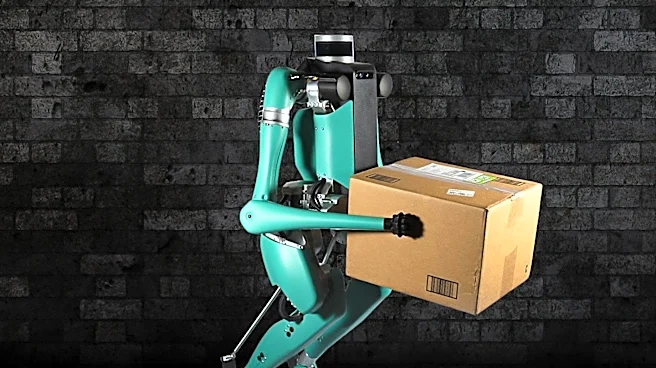
square feet of exhibit space, more than 2,700 exhibitors, and approximately 43,000 attendees. The event brought together around 72,000 packaging and processing professionals to showcase advancements in packaging and processing technologies, equipment, and innovative solutions across more than 40 vertical markets. Key themes included artificial intelligence (AI)-powered automation, sustainable packaging solutions, and the latest in robotics, processing equipment, packaging machinery, and material innovations. The show floor was organized into seven dedicated pavilions, including zones for Food & Beverage Processing, Logistics, and Healthcare Packaging, to streamline the visitor experience. Beyond the exhibits, PACK EXPO offered over 150 free educational sessions covering topics such as AI, robotics, automation, sustainability, workforce development, and regulatory compliance.
Why It's Important?
PACK EXPO International serves as a critical barometer for the health and future direction of the packaging and processing industries. Its record-breaking size and attendance in 2026 underscore the industry's robust growth and commitment to innovation. The emphasis on AI, robotics, and automation highlights a significant trend towards increased efficiency, productivity, and reduced labor dependency in manufacturing and supply chains. The focus on sustainability, including discussions on circularity, recyclability, and extended producer responsibility, reflects growing consumer and regulatory pressures for environmentally friendly practices. For U.S. manufacturers, these advancements offer opportunities to enhance competitiveness, optimize operations, and meet evolving market demands. The educational sessions provide valuable insights and practical takeaways for businesses looking to adopt new technologies and address industry challenges, ultimately shaping the future of manufacturing processes and product delivery across various sectors.
What's Next?
The trends showcased at PACK EXPO International 2026 indicate a continued acceleration in the adoption of advanced technologies like AI and robotics within the packaging and processing sectors. Manufacturers are expected to further integrate these solutions to improve operational efficiency, reduce costs, and enhance product quality. The focus on sustainability will likely drive further innovation in eco-friendly packaging materials and processes, with companies investing in solutions that support circular economy principles and comply with emerging regulations. Workforce development will remain a critical area, as the industry adapts to new technologies requiring specialized skills. Future events and industry initiatives will likely continue to emphasize practical applications of these technologies, fostering collaboration between suppliers, manufacturers, and experts to address ongoing challenges and capitalize on new opportunities in the evolving manufacturing landscape.
Beyond the Headlines
The rapid integration of AI and robotics into packaging and processing extends beyond mere operational improvements; it signals a fundamental shift in the nature of industrial work. This technological evolution could lead to a redefinition of job roles, requiring a workforce with advanced technical skills in automation, data analytics, and robotics maintenance. While increasing efficiency, it also raises questions about job displacement and the need for robust retraining programs. Furthermore, the push for sustainable packaging solutions reflects a broader societal shift towards environmental responsibility, influencing consumer choices and corporate strategies. The industry's embrace of these technologies also highlights the increasing complexity of supply chains, where interconnected automated systems require sophisticated management and cybersecurity measures. Ultimately, these developments are shaping a more automated, efficient, and environmentally conscious manufacturing ecosystem, with long-term implications for economic growth, labor markets, and environmental policy.