





What's Happening?
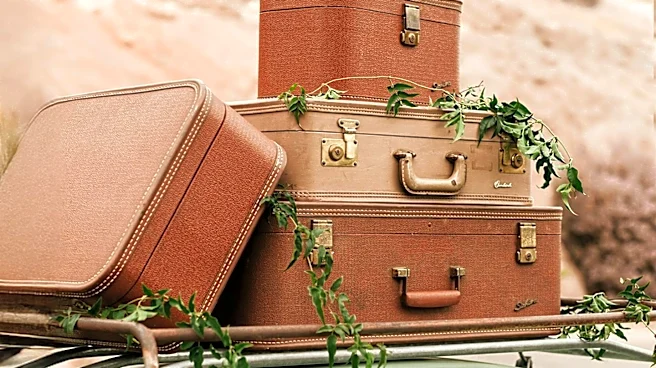
Skyway Vintage Luggage, a prominent brand from the 1940s through the 1960s, is experiencing a significant resurgence in popularity. This revival is fueled by a growing consumer interest in sustainability, timeless design, and nostalgia for mid-century
aesthetics. Unlike modern luggage often characterized by disposable materials, Skyway pieces were constructed with durability in mind, featuring dense composite fibers or thick hides, brass hardware, and sturdy internal frames made of wood or dense cardboard. These design choices ensured longevity and resilience against the rigors of travel. The brand's origins are rooted in the post-war boom, aligning with the golden age of air and rail travel, where its streamlined designs symbolized modernity and adventure. Collectors and enthusiasts are actively seeking out these vintage suitcases in online marketplaces and antique stores, with many undertaking restoration efforts to preserve their original condition and functionality. This trend reflects a broader cultural shift towards valuing quality, history, and sustainable consumption over fleeting trends and mass-produced goods.
Why It's Important?
The comeback of Skyway Vintage Luggage signifies a notable shift in consumer values within the U.S. market, moving away from disposable culture towards more sustainable and enduring products. This trend impacts the retail and manufacturing sectors by highlighting a demand for items built to last, potentially influencing contemporary design and production philosophies. For consumers, it offers an alternative to the perceived lower quality of many modern travel goods, providing durable and aesthetically unique options. The emphasis on sustainability also aligns with broader environmental concerns, as consumers increasingly seek to reduce waste by investing in long-lasting items. Furthermore, the nostalgic appeal taps into a desire for connection to the past, transforming luggage from a mere utility into a personal accessory with historical significance. This movement could encourage other industries to re-evaluate their production methods and material choices, prioritizing longevity and classic design over planned obsolescence.
What's Next?
The continued demand for Skyway Vintage Luggage suggests a sustained market for vintage and sustainably produced goods. This could lead to an expansion of specialized restoration services and an increase in the availability of vintage items through various retail channels. Fashion designers and style influencers are likely to continue incorporating these vintage pieces into contemporary aesthetics, further solidifying their status as desirable accessories. Manufacturers of new luggage might also take cues from this trend, potentially reintroducing more durable materials and classic designs into their product lines to cater to consumers seeking quality and longevity. The growing interest in sustainable living could also drive innovation in the production of new, eco-friendly luggage that combines modern functionality with the durability and timeless appeal of vintage items, creating a hybrid market that bridges the gap between old and new.
Beyond the Headlines
The resurgence of Skyway Vintage Luggage extends beyond mere fashion or utility; it reflects a deeper cultural re-evaluation of consumption patterns and material value. This trend challenges the prevailing ethos of planned obsolescence in modern manufacturing, prompting questions about the ethical responsibilities of producers and the long-term environmental impact of disposable goods. The act of choosing a vintage suitcase becomes a conscious statement against fast fashion and mass production, embodying a commitment to sustainability in a tangible form. It also highlights the emotional and historical value consumers place on objects, transforming them from simple commodities into artifacts with stories and enduring legacies. This shift could foster a greater appreciation for craftsmanship and repair culture, encouraging consumers to invest in items that can be maintained and passed down, thereby reducing waste and promoting a more circular economy.