

What's Happening?
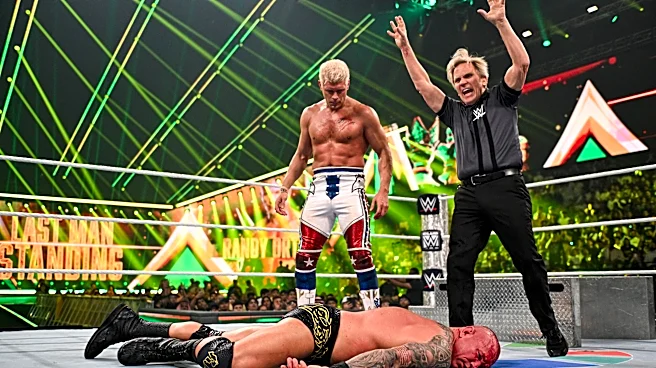
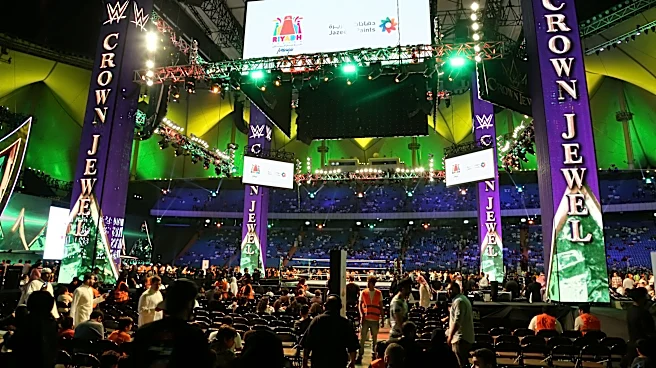
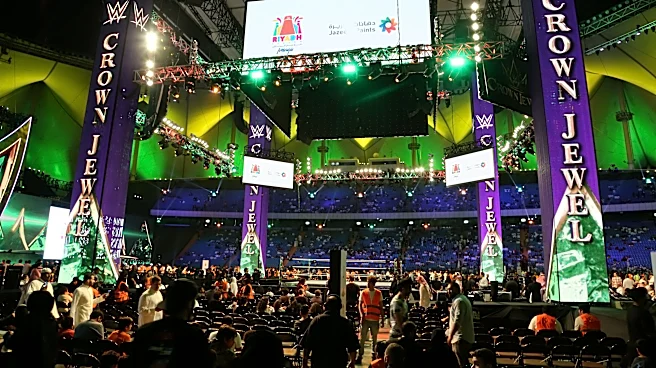
The WWE's booking of the feud between Randy Orton and Cody Rhodes, culminating at Crown Jewel 2026, has generated significant dissatisfaction among fans and wrestling pundits. The storyline centered on whether Rhodes would embrace a darker side by punting
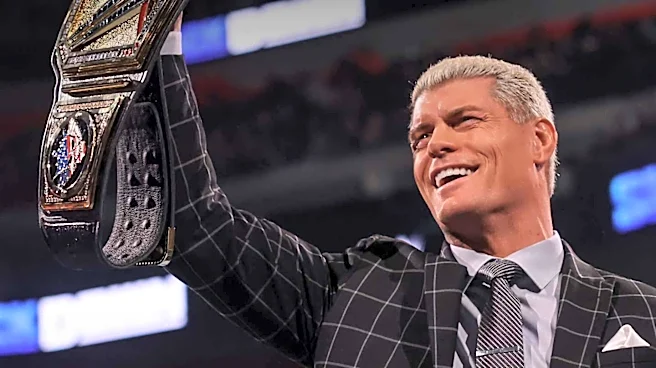
Orton in the head, a move historically associated with Orton's villainous persona. While Rhodes did execute the punt to win the 'Last Man Standing' match, the WWE's subsequent portrayal of Rhodes has not aligned with a heel turn. Instead, he is being presented as a babyface who simply did what was necessary, even campaigning to captain Team USA at Survivor Series. This creative direction has been met with boos for Rhodes from the live audience in Riyadh and widespread online support for Orton, with many questioning the decision to have Orton, at 46, lose in a manner that doesn't seem to benefit either wrestler's character arc effectively.
Why It's Important?
The negative fan reaction to the Randy Orton and Cody Rhodes storyline highlights a critical issue in professional wrestling: the disconnect between creative direction and audience expectation. When a major storyline, particularly one involving two top-tier talents, fails to resonate with the fanbase, it can lead to decreased engagement and a sense of disillusionment. For WWE, this feedback is crucial as fan sentiment directly impacts viewership, merchandise sales, and overall brand loyalty. The decision to have Rhodes perform a 'heel' act without fully committing to a character shift creates confusion and undermines the narrative's impact. Furthermore, utilizing a veteran like Orton to 'put over' a younger star in a way that doesn't elevate the latter or respect the former's legacy can be perceived as a misstep, potentially alienating a significant portion of the audience who value long-term character consistency and logical storytelling.
What's Next?
The immediate aftermath of the Crown Jewel 2026 match suggests that WWE will continue to present Cody Rhodes as a heroic figure, despite the controversial nature of his victory over Randy Orton. This direction may lead to further fan dissent if the narrative inconsistencies are not addressed. For Randy Orton, his future role in WWE remains a subject of speculation, with fans hoping for a more prominent and respected position that aligns with his legendary status. WWE's creative team will likely need to monitor fan reactions closely and potentially adjust future storylines to regain audience trust and enthusiasm. The ongoing narrative around Rhodes' character, particularly his campaign for Survivor Series, will be a key indicator of whether WWE intends to acknowledge or pivot from the current fan sentiment regarding his recent actions.
Beyond the Headlines
The controversy surrounding the Orton-Rhodes feud touches upon the delicate balance between traditional wrestling storytelling and modern character development. Historically, a move like the punt would unequivocally signal a heel turn, but WWE's current approach seems to be experimenting with more ambiguous character alignments. This can be seen as an attempt to create more complex, nuanced characters, but it risks alienating fans who prefer clear-cut good versus evil narratives. The strong support for Orton, even in a losing effort, underscores the enduring appeal of established, respected veterans and the audience's desire to see their legacies protected. This situation also highlights the power of fan voice in the digital age, where immediate feedback on social media can significantly influence the perception and potential direction of wrestling storylines, forcing promotions to constantly evaluate their creative choices against audience expectations.